
Sinjai asks for sanitation risk data to be used as basis for determining areas and budgets
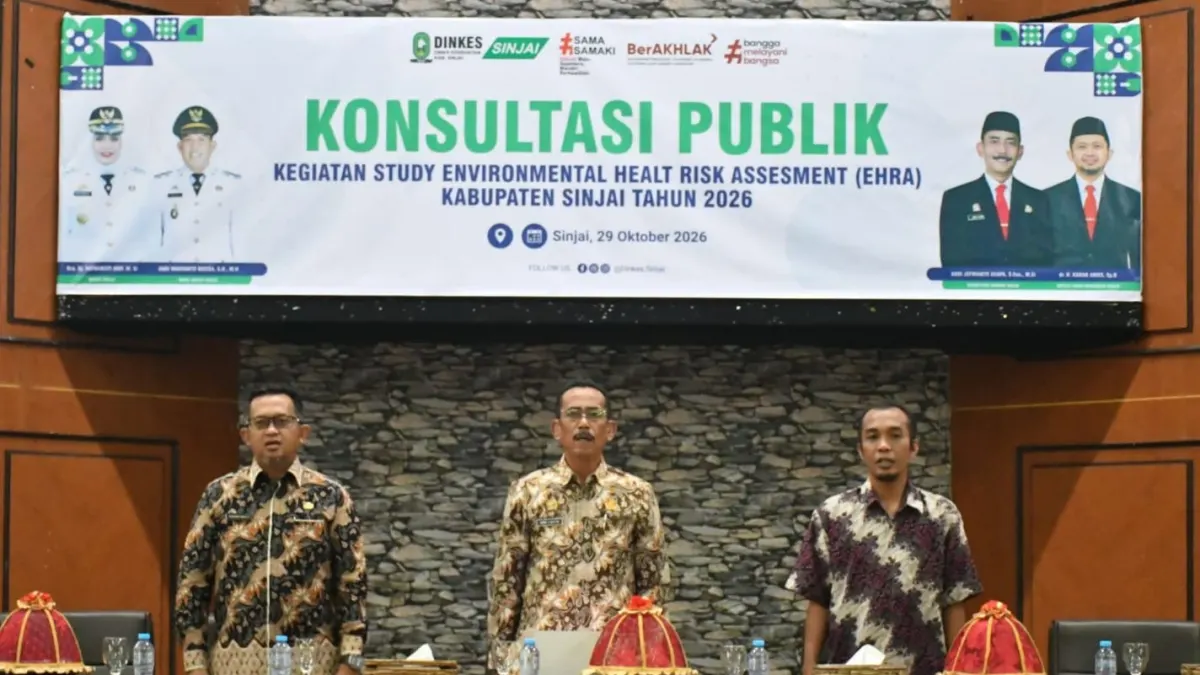
The study covers domestic wastewater management, household waste, water source conditions, as well as hygiene and sanitation behavior. The results become the basis for formulating environmental health program priorities and disease prevention measures according to community needs.
In the public consultation, Kahar invited participants to pay close attention to the study results and provide input to formulate recommendations for measurable sanitation improvements.
Andi asked regional officials and community health centers to integrate EHRA results with health data in villages and sub-districts. The data in question includes issues of stunting, poor nutrition, tuberculosis or TBC, leprosy and other diseases.
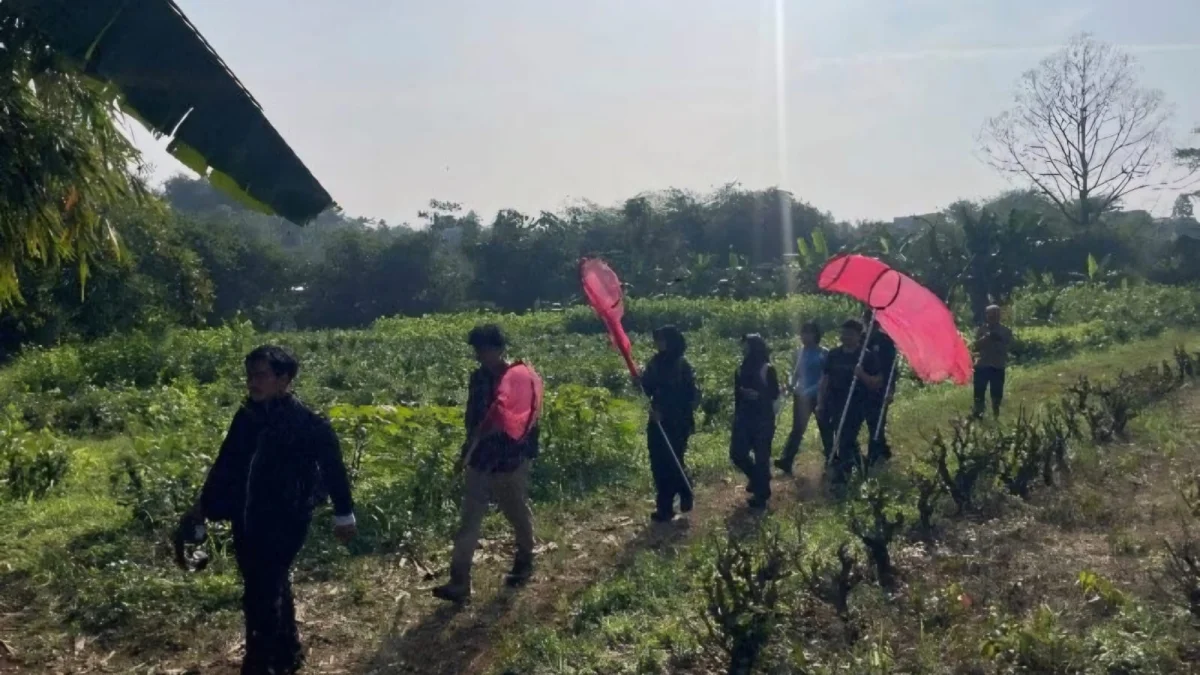
According to Andi, areas that have high sanitation risks and a large burden of health problems need to be verified before being considered as locations for integrated interventions. Combining the data is aimed at obtaining a more comprehensive picture of society's conditions.
Water quality needs to be checked in a laboratory
Andi also emphasized the need for testing the quality of clean water by involving community health center officers and the Health Department's health laboratory.
The Public Works and Spatial Planning Service (PUPR) and related regional apparatus are asked to coordinate with the Health Service and community health centers to minimize environmental health risks.
Artikel ini merupakan siaran pers resmi yang diterbitkan melalui Meja Redaksi GARIS BUMI. Materi telah melalui peninjauan editorial untuk kenyamanan dan kejelasan informasi bagi pembaca.
Share Your Thoughts Editorial Moderation Required