
Reading the Dry Season from the Village, Preventing Smoke Before It Comes
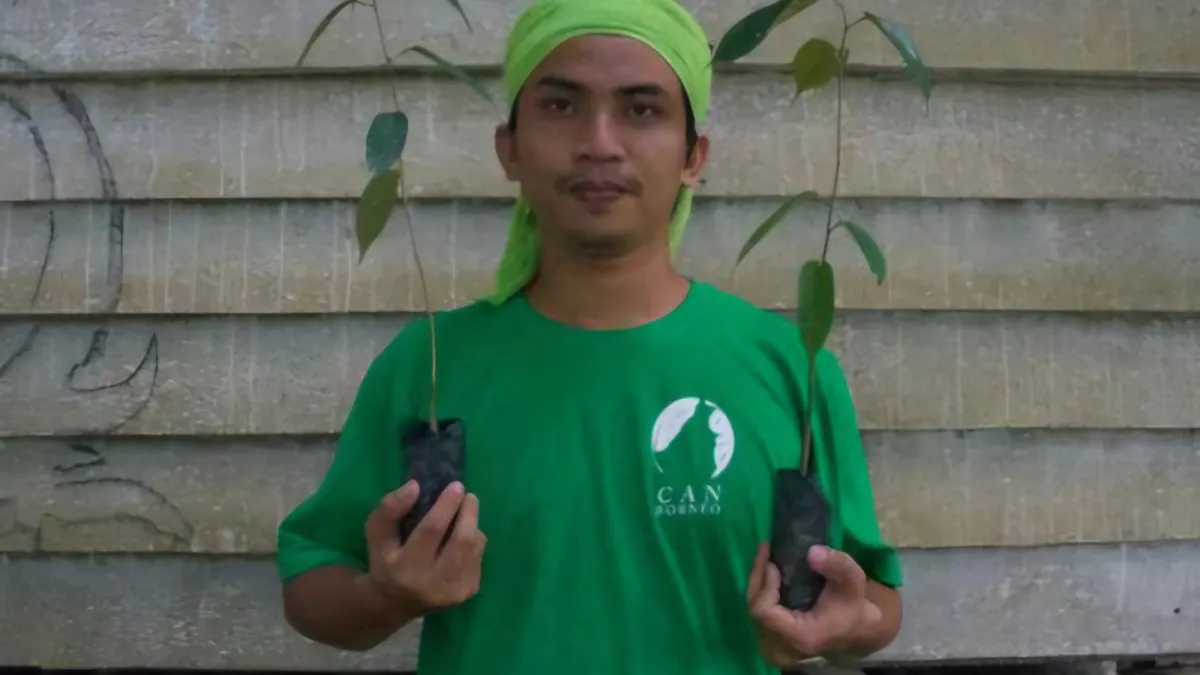
This view places forest and land fires as a problem that goes beyond blackouts. According to Linus, land management in the past left vulnerabilities that continued to be felt when the dry season came.
Because of this, he is pushing for blocking drainage canals to help keep peat wet, as well as stopping the granting of new permits for oil palm plantations in peat ecosystems. For him, land restoration needs to go hand in hand with readiness to face fires.
At the village level, the community must be actively involved. Companies need to implement standard operating procedures, while the central government ensures that prevention and response efforts work together.
"The biggest problem with this fire is disaster mitigation," said Linus.
The involvement of residents is important because they are the ones who live closest to the land and face the consequences when the fire grows. Their knowledge of the seasons requires the support of real equipment, coordination and precautions.
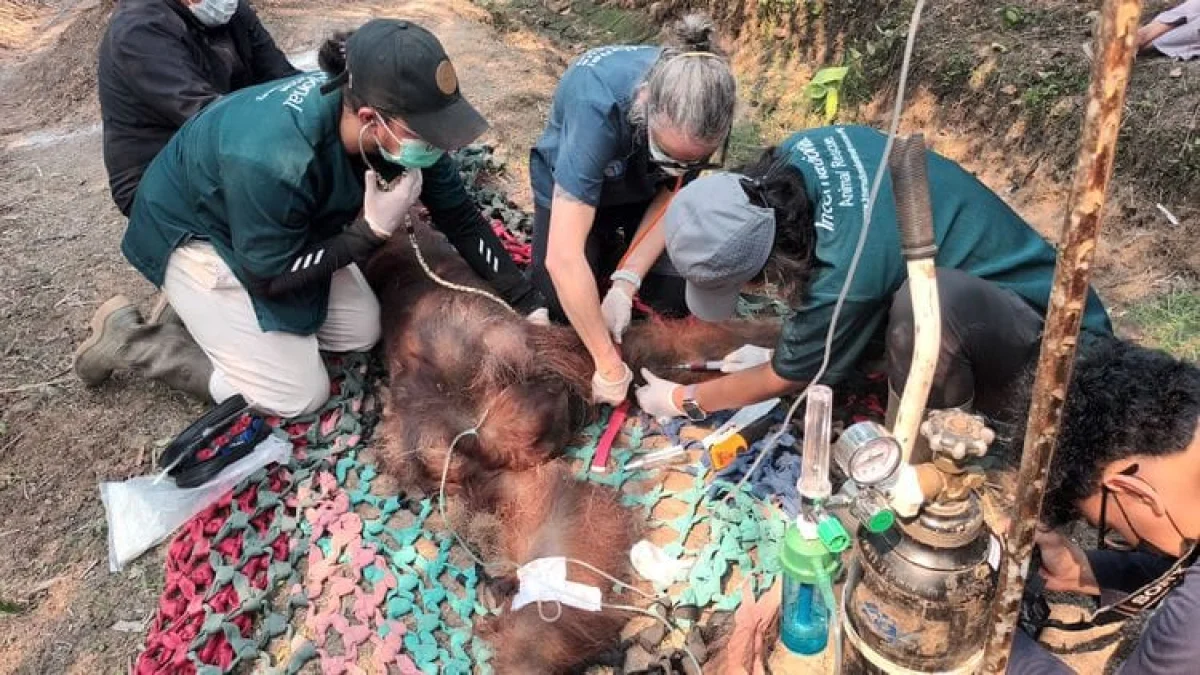
Linus reminded that without working together, long droughts will only lead people to repeat bitter experiences.
"These fires will continue to recur like nostalgia every time a long dry season arrives. The question is, do we want to learn from all that?"
From his village and experience protecting forests, Linus conveyed a simple message: the ability to read natural signs should be followed by a willingness to act. Before the signs of the dry season turn into clouds of smoke.
Artikel ini merupakan siaran pers resmi yang diterbitkan melalui Meja Redaksi GARIS BUMI. Materi telah melalui peninjauan editorial untuk kenyamanan dan kejelasan informasi bagi pembaca.
Share Your Thoughts Editorial Moderation Required