Land Conversion Threatens East Java's Biodiversity, 3,849 Taxa Mapped
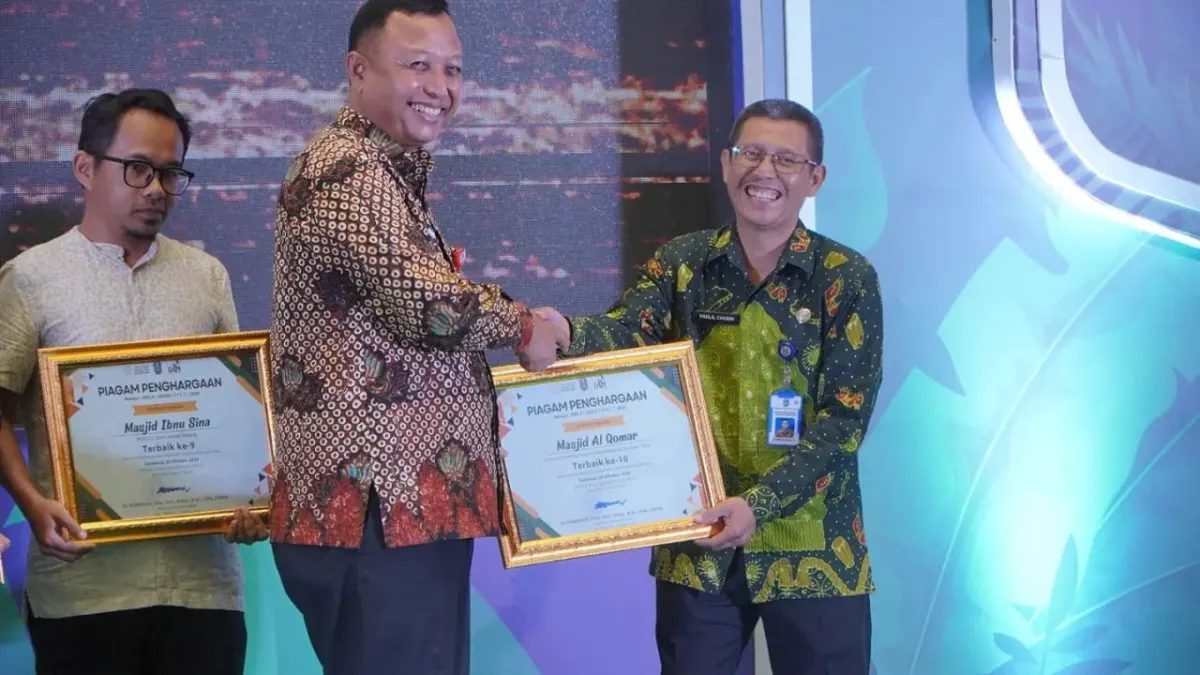
He emphasized the importance of preserving natural resources in the mountains, forests, coasts and seas, both in quantity and quality, so that they remain sustainable and can be passed on to future generations.
Conservation Linked to Welfare
East Java Biodiversity RIP 2026–2030 is directed at realizing integrated, sustainable and inclusive biodiversity management. This document is expected to strengthen ecosystem resilience while supporting community welfare.
Deputy for Food, Natural Resources and Environment at the Ministry of National Development Planning/Bappenas, A. A. Leonardo Teguh Sambodo, said that conservation needs to go hand in hand with economic development.
"Natural resource conservation is not a separate mission from how the government will increase growth and create prosperity for society," he said.
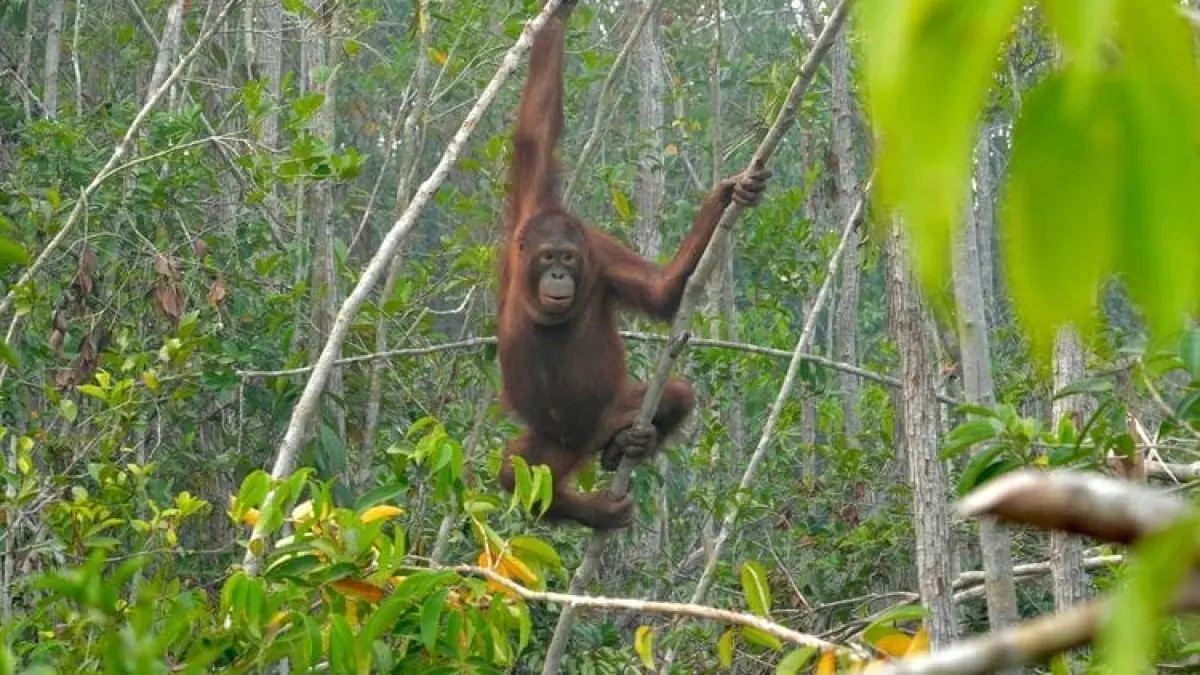
According to Leonardo, East Java has great potential to develop this approach. He said that the mangrove ecosystem in East Java covers around 48 percent of the total mangroves on Java Island.
East Java is also one of four pilot provinces for preparing biodiversity management plans in Indonesia, along with East Kalimantan (Kaltim), Aceh and Southwest Papua.
One of the conservation efforts being developed is the Biodiversity Park covering an area of around 27 hectares in Cerme, Gresik Regency. DLH East Java is collaborating with a number of private companies to plant and preserve endemic and rare plants in the area.
Artikel ini merupakan siaran pers resmi yang diterbitkan melalui Meja Redaksi GARIS BUMI. Materi telah melalui peninjauan editorial untuk kenyamanan dan kejelasan informasi bagi pembaca.
Share Your Thoughts Editorial Moderation Required