
Yogyakarta Handles 870 Kg of Residual Plastic Waste per Day through Jumilah Joss Tenan
Supriyanto said that handling around 870 kilograms of residual plastic waste per day shows the potential for reducing waste going to depots if sorting is carried out consistently.
This approach complements the Yogyakarta City Government's efforts in handling organic waste through organic buckets as well as specific waste, such as mattresses, pillows and bolsters.
He emphasized that management needs to start when waste is produced by households and businesses. Sorting allows materials that are still valuable to be reused, while residues receive special treatment.
"We hope that this program can continue to be improved by actively involving business units and Jumilah," said Supriyanto.
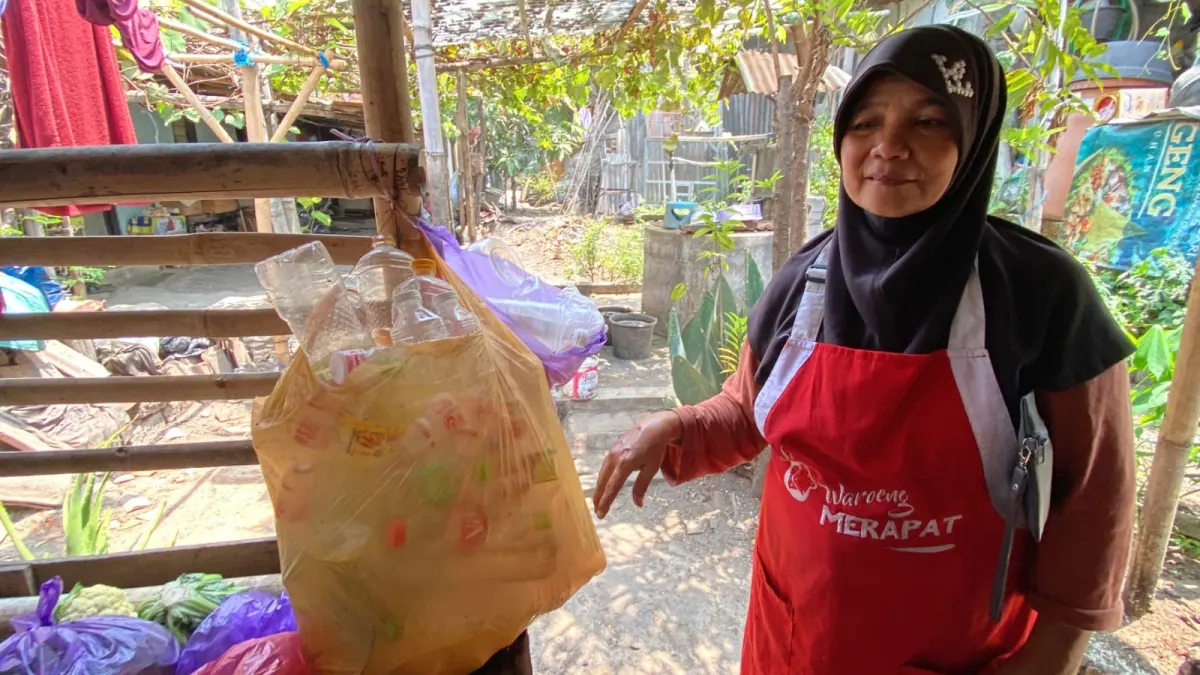
Sri Mulyati, owner of Warung Makan Sri in Wirobrajan, also felt the benefits of sorting. According to him, separating waste makes the shop cleaner and makes it easier to handle waste so that it doesn't pile up for too long.
"By sorting the waste, the shop will be cleaner and the waste won't smell," he said.
Apart from cleanliness, Sri obtains economic benefits from certain plastic waste which still has selling value. Plastic bottles, for example, are collected to be deposited in waste banks.
Artikel ini merupakan siaran pers resmi yang diterbitkan melalui Meja Redaksi GARIS BUMI. Materi telah melalui peninjauan editorial untuk kenyamanan dan kejelasan informasi bagi pembaca.
Share Your Thoughts Editorial Moderation Required