
When the Sea Gives Birth to Mountains
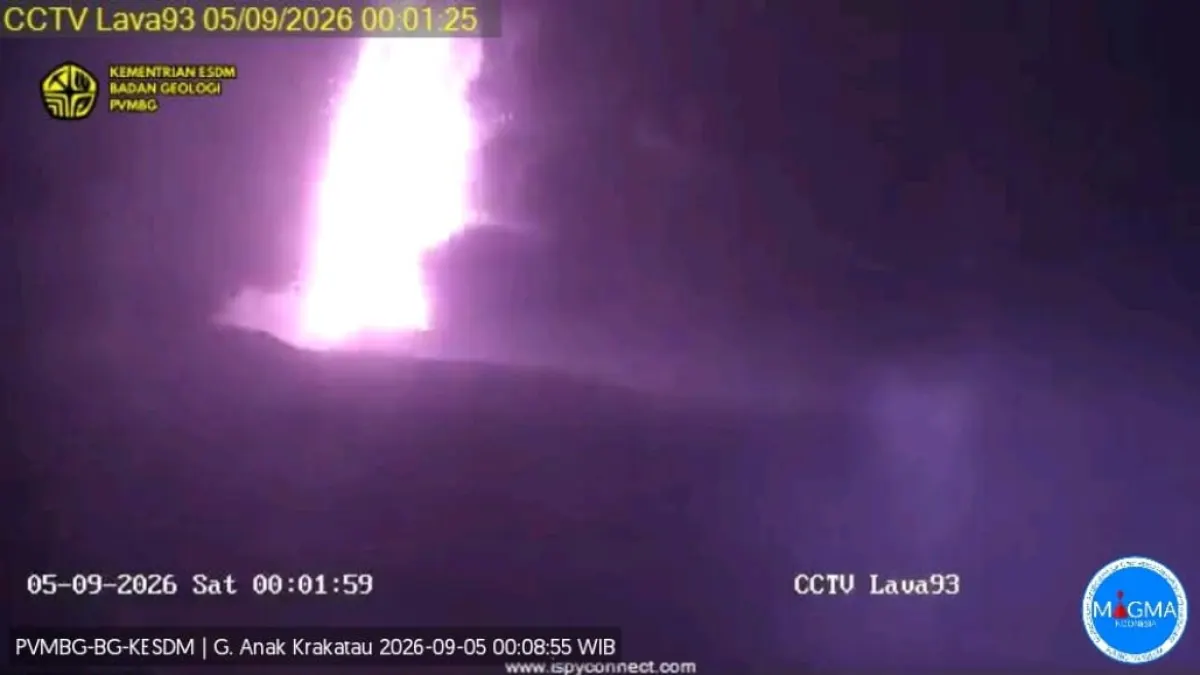
The fight lasted for years.
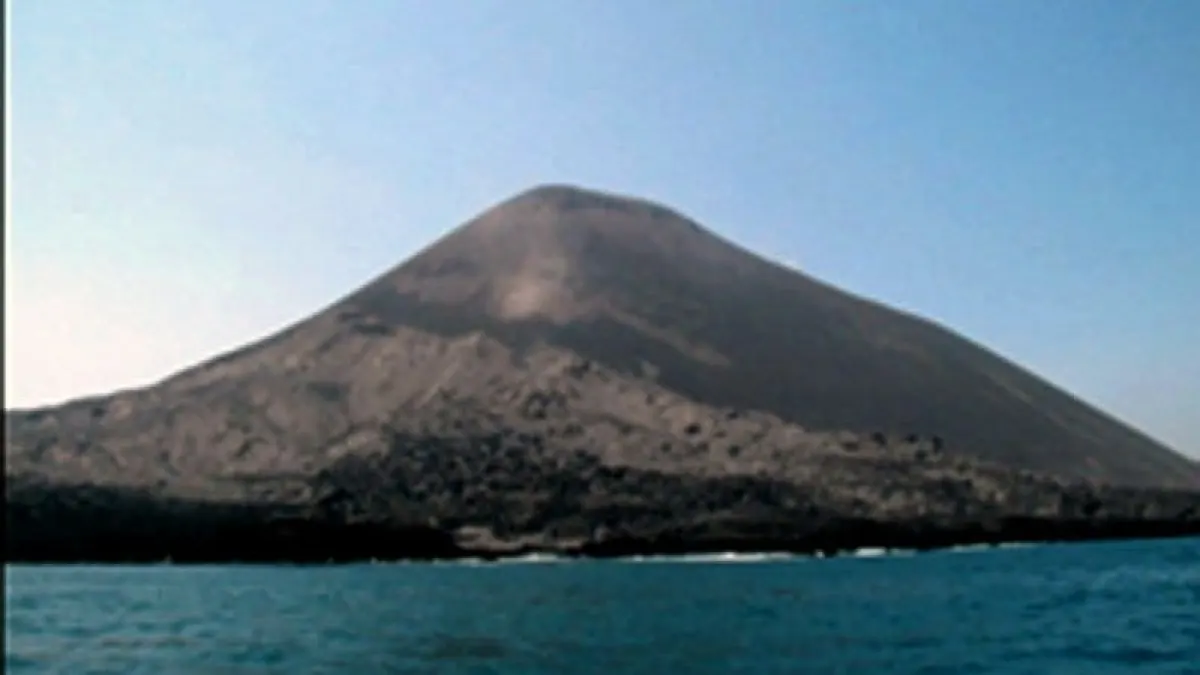
From a small island that is easily eroded, Anak Krakatau slowly forms a cone. Its body is composed of layers of lava and sediment from eruptions. One layer covers the previous layer.
Research by the Geological Agency estimates that the mountain grows an average of around four meters every year. In 2000, its height had reached around 315 meters above sea level. Its body volume is estimated at 5.52 cubic kilometers.
It grows quickly because it erupts frequently.
This is where Anak Krakatau presents a rather strange reality. The eruption that humans fear is actually the mountain's way of enlarging itself. Without an eruption, there would be no additional material. Without new materials, his body would not grow taller.
However, life still dares to come.
When parts of the island's surface began to cool, pioneer plants found a place to live. The reeds appear. Sea cypress grows on the eastern slopes. Around the beach, creepers began to cover some of the sand.
Birds and insects followed.
They live on an island where the land is not yet established and at any time it could be filled with ashes again. Every time the vegetation starts to thicken, an eruption can come and force life to start over from scratch.
The Geological Agency noted that plant succession in Anak Krakatau never really reached its final stage. Eruptions bothered him too often.
It's strange indeed. The mountain both builds lives and destroys them.
Share Your Thoughts Editorial Moderation Required
Pastinya gunung itu besar sekali jika di lihat dari bawah laut
laut itu selalu menyimpan hal tersembunyi
saya jadi tertarik untuk meneliti gunung anak Krakatau itu
Sangat memberi imformasi
generasi yg hidup saat ini hanya melihat ini sebagai sejarah,dan pd akhirnya ikut merasakan bagaimana guncangan gempa,hujan debu vulkanik yg materialnya menyerupai serpihan kaca.sangat berbahaya utk paru2 dan pernapasan.Berharap kondisi saat ini akan mengurangi kemarahan si anak yg sholeh,bageur d kemudian hari.