
When the Sea Gives Birth to Mountains
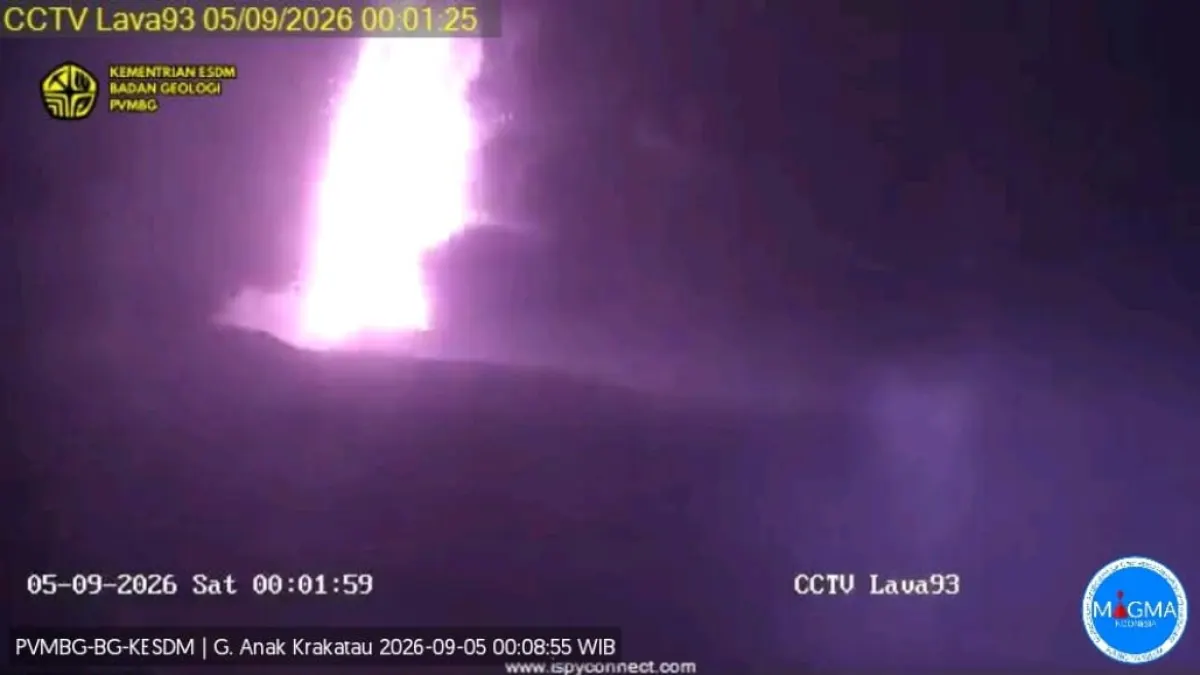
On January 20, 1929, the scene began to look different.
Beside the pillar of smoke, you can see a pile of material that has appeared above the water surface. The shape is not like a mountain. Just a small island, black, hot, and almost devoid of life.
But the island survived.
That day was later recorded as the birth of Mount Anak Krakatau.
It was born where its mother once stood. From the seabed about 180 meters deep, volcanic material accumulates until it finally reaches the surface.
People then gave it a simple name: Anak Krakatau.
The name sounded like a baby's name. Even though his birth was accompanied by explosions, smoke and sea spray. The bed is the caldera. The first sound was a pop.
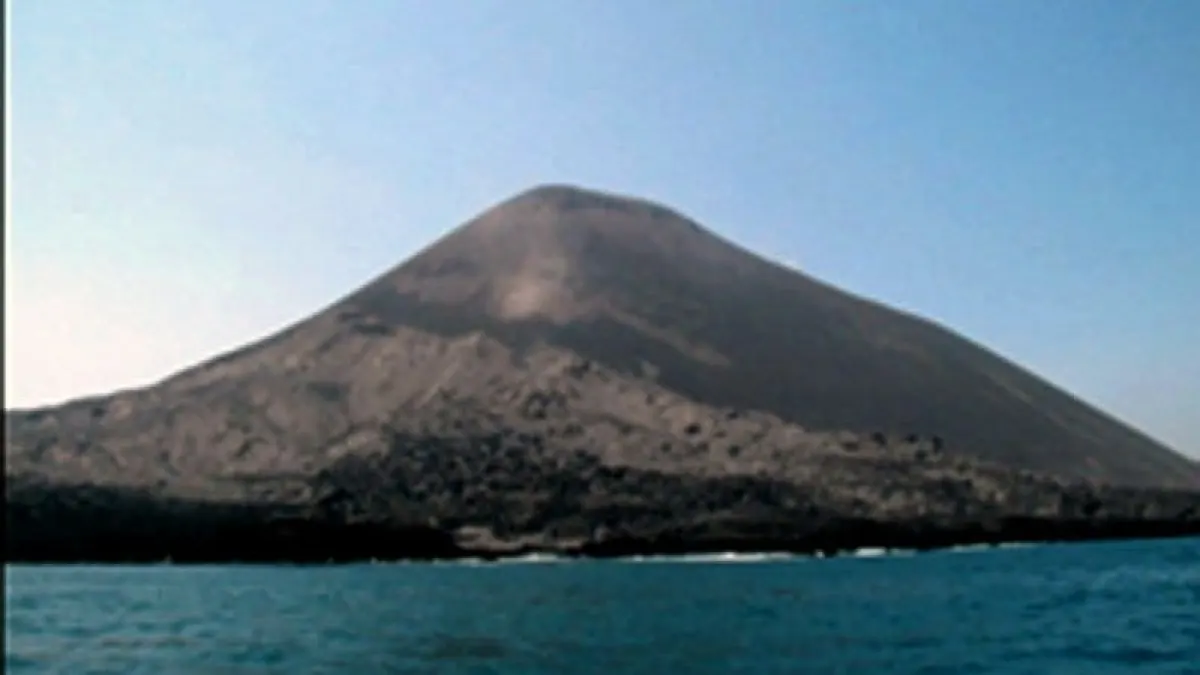
It is still very young compared to other mountains in Indonesia. There were even people who were born before the island appeared and lived long enough to watch it grow into a mountain.
Krakatoa's children also grow in different ways.
Each eruption brings additional material. Sand, ash, incandescent rock, and lava accumulate on its surface. When the lava solidifies, the body of the island becomes stronger. The waves continue to erode the edges, but new material continues to come from the bowels of the earth.
Sometimes the mountain wins. Sometimes the sea takes back its share.
Share Your Thoughts Editorial Moderation Required
Pastinya gunung itu besar sekali jika di lihat dari bawah laut
laut itu selalu menyimpan hal tersembunyi
saya jadi tertarik untuk meneliti gunung anak Krakatau itu
Sangat memberi imformasi
generasi yg hidup saat ini hanya melihat ini sebagai sejarah,dan pd akhirnya ikut merasakan bagaimana guncangan gempa,hujan debu vulkanik yg materialnya menyerupai serpihan kaca.sangat berbahaya utk paru2 dan pernapasan.Berharap kondisi saat ini akan mengurangi kemarahan si anak yg sholeh,bageur d kemudian hari.