
97.76 Percent of Waste in Papua Has Not Been Managed, KLH Encourages Sorting from Source
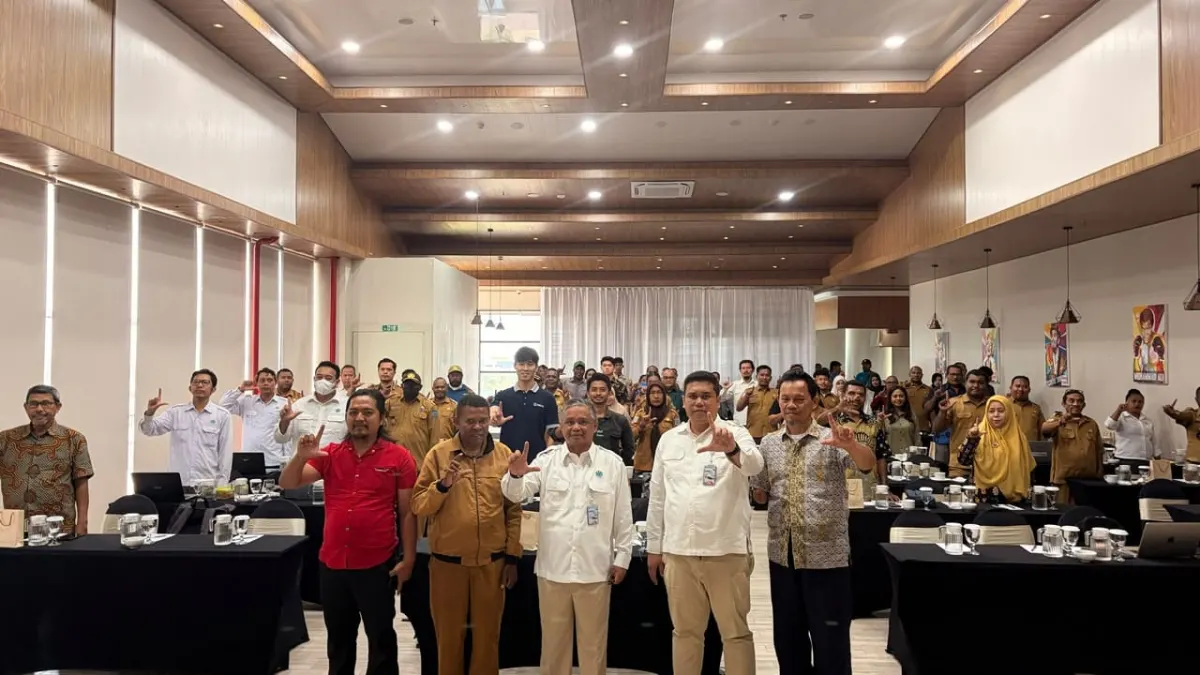
"Waste can no longer be seen as simply being transported and thrown away, but must be managed comprehensively from source to final processing," he continued.
Only 59 tons of waste is handled per day
Based on data from the National Waste Management Information System (SIPSN), waste generation in the Papua region reaches around 2,625 tons per day. Of this amount, only around 2.24 percent or 59 tonnes per day has been handled.
Meanwhile, around 2,566 tons of waste per day or 97.76 percent has not been managed optimally. Around 74.43 percent of waste is not handled and has the potential to pollute the environment, while 23.33 percent ends up in landfills which still implement an open dumping system.
Infrastructure limitations magnify this problem. Of the 42 districts and cities in the Papua region, only 23 regions have TPAs. All facilities are still operating with an open dumping system.
Meanwhile, 19 other districts and cities do not yet have final waste processing facilities.
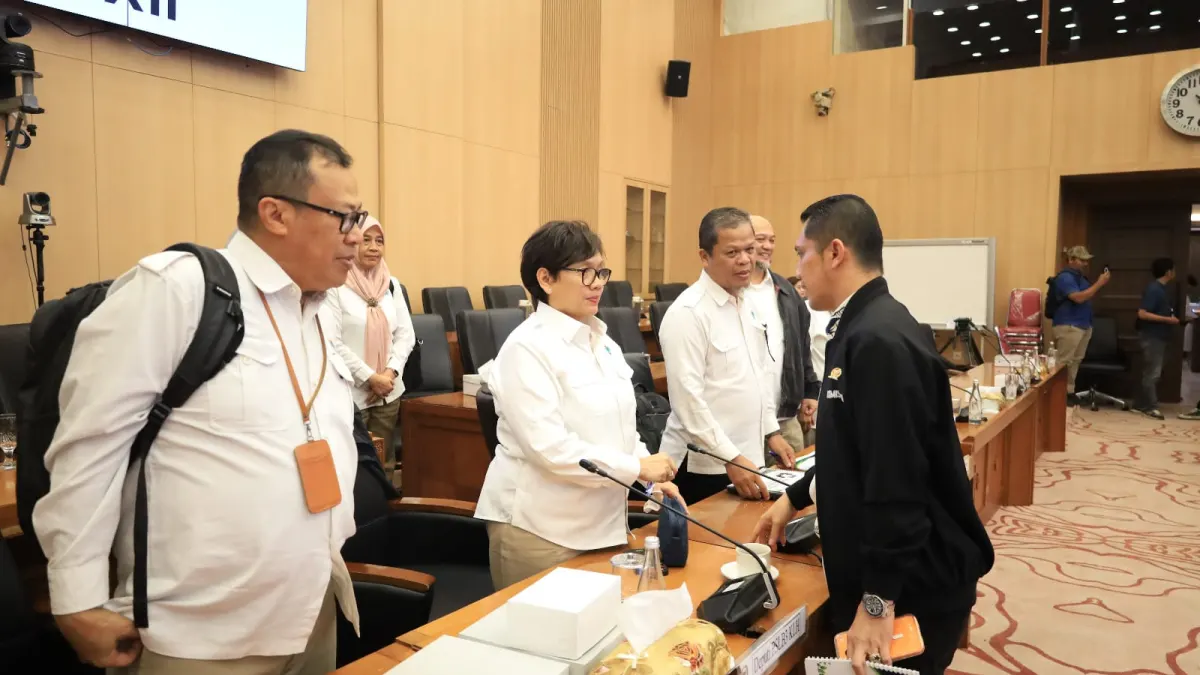
KLH/Environmental Management Agency (BPLH) assesses that this condition cannot be resolved simply by building or expanding a landfill. Improvements must start from reducing waste and sorting it at the household, market, school, office and other public facilities.
TPA is only for storing residue
To improve waste management, KLH/Environmental Management Agency (BPLH) encourages tiered handling from upstream to downstream.
Upstream, waste sorting must be strengthened starting from households, markets, educational facilities and offices. In the middle, local governments need to optimize waste banks, composting, waste processing sites using the 3R principles, and recycling centers.
Share Your Thoughts Editorial Moderation Required