
The Boom that Returns Across the Strait
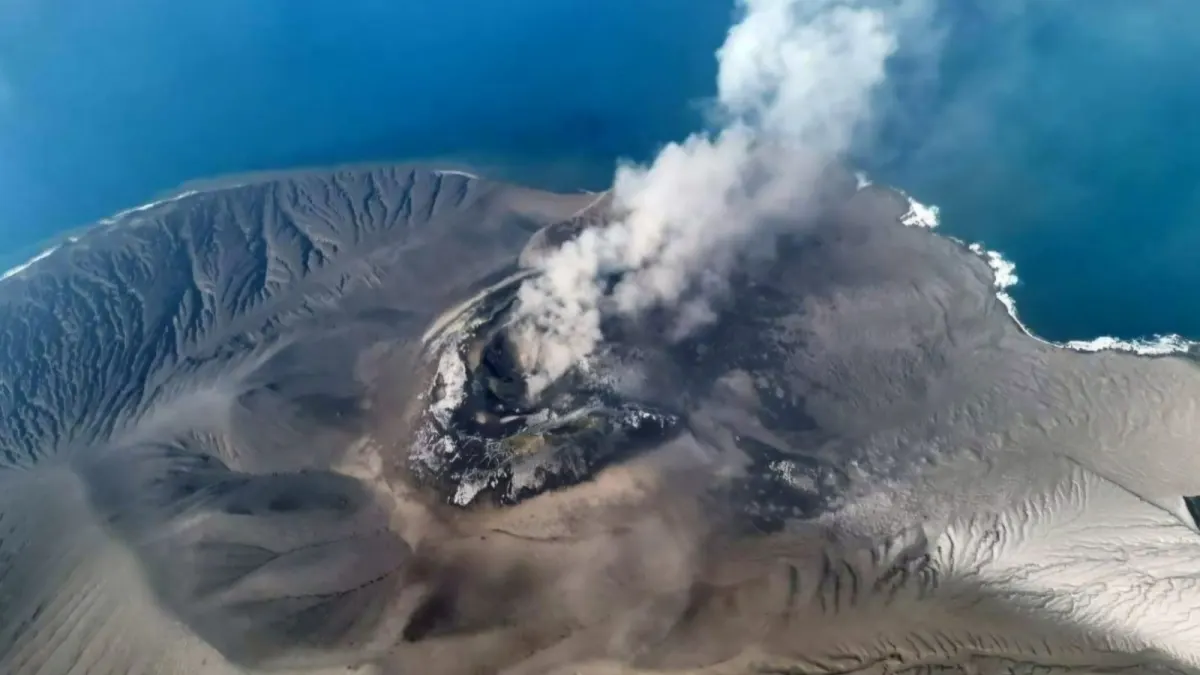
Anak Krakatoa returns to influence life far beyond its uninhabited island.
However, there is a big difference compared to the night of the 2018 tsunami.
Today, mountain activity is observed via cameras, seismographs, satellites, tiltmeters and real-time energy measurements. Pos Pasauran and Hargo Pancuran continue to send data. Information is disseminated through PVMBG, Geological Agency, BNPB, BPBD, and MAGMA Indonesia.
The surrounding sea is also monitored.
Monitoring cannot stop the eruption. But data can help people understand what is happening, pinpoint dangerous areas, and differentiate real threats from panic-inducing news.
Anak Krakatau is now almost a century old.
It began its life as a spout from the seabed in 1927. Two years later, its body surfaced. The mountain grew through eruptions, reaching hundreds of meters high, then lost most of its body in the 2018 collapse.
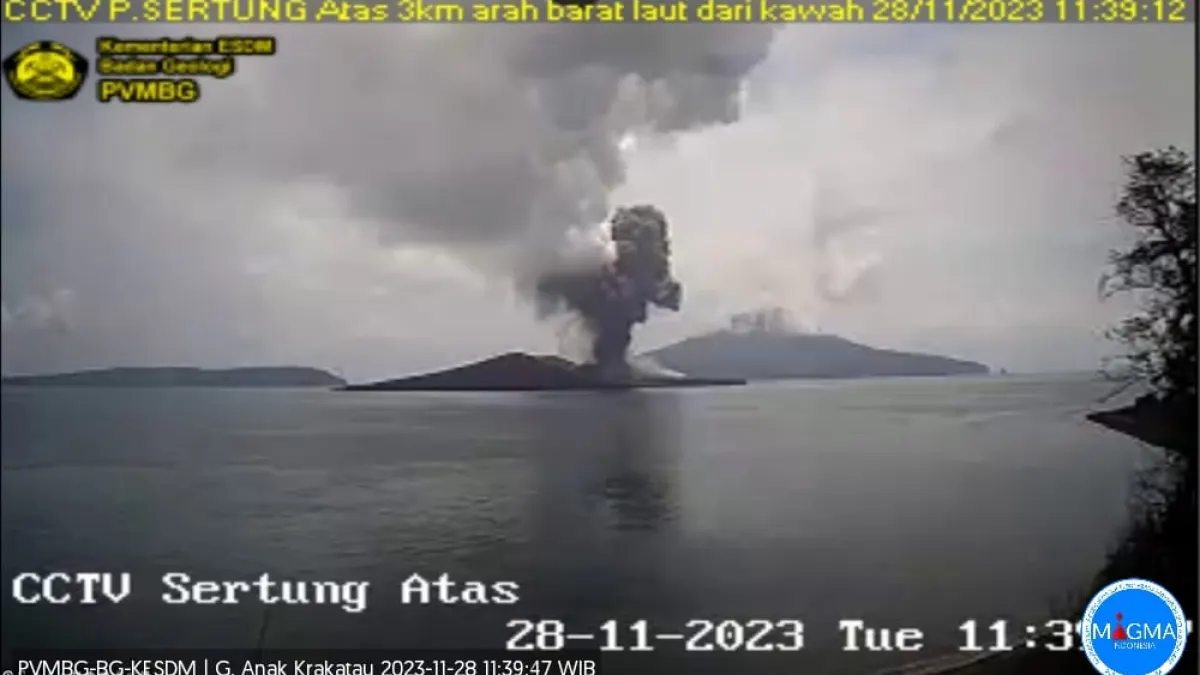
After it collapses, it grows again.
The September 2026 eruption shows that this process has not stopped. Anak Krakatau is still establishing itself in the same place, between the coast of Banten and Lampung, on a busy sea route, in the midst of the lives of millions of people.
The mountain does not ask humans to live in fear.
He only reminded that the Sunda Strait is a shared living space. There are people, sea, islands, and volcanoes that are constantly moving.
Share Your Thoughts Editorial Moderation Required