
The Boom that Returns Across the Strait
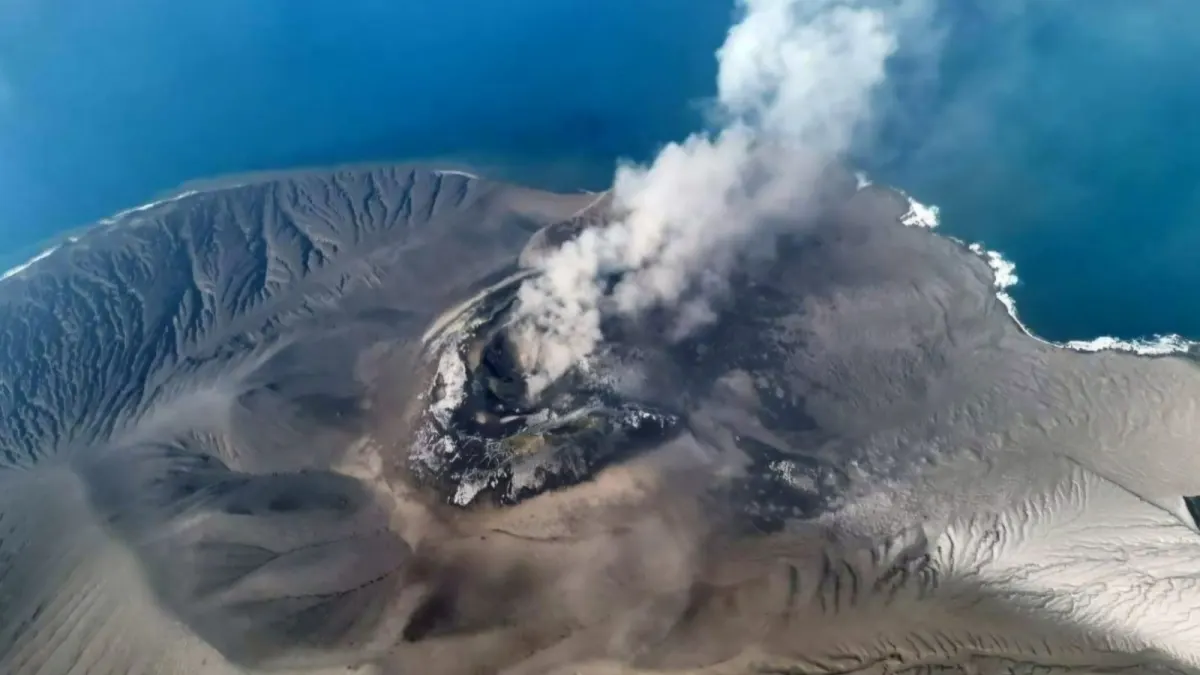
The same question immediately arises: will there be a tsunami?
PVMBG asked the public to remain calm. Evaluation results show that Anak Krakatau's body, which was re-formed after the 2018 collapse, is still relatively small. This activity is not considered to have the potential to cause large collapses that could trigger a tsunami.
However, other dangers remain.
The continuous eruption lasted about 25 hours. The seismograph recorded vibrations from Friday night to Sunday, September 6 2026, at 00.04 WIB.
After the long episode stopped, the mountain erupted again at 03.53 WIB. The strombolian type eruption lasted about 30 seconds. PVMBG interprets it as marking the end of a series of previous continuous eruptions.
The mountain is starting to subside, but it is not calm yet.
Volcanic energy which had increased on September 5 showed a decline a day later. Inside the body of the mountain, pressure is still detectable. The potential for subsequent eruptions, incandescent rock ejections, heavy ashfall and lava flows must still be watched out for.
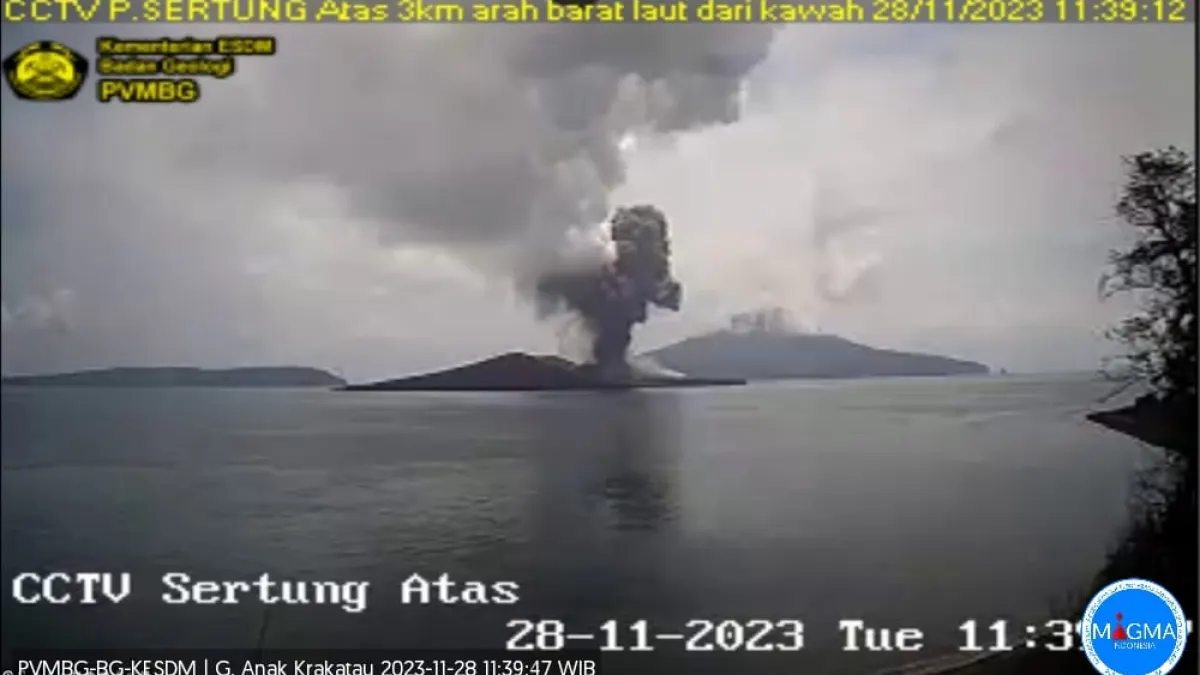
Anak Krakatau's status remains at Level III or Alert. The public, tourists, fishermen and climbers are prohibited from doing activities within a three kilometer radius of the mountain activity center.
This time, the impact was not only felt around the coast.
Volcanic ash moves with the wind and enters the airspace used by aircraft. Four airports were temporarily closed as a safety measure, namely Soekarno-Hatta Airport, Halim Perdanakusuma, Radin Inten II Lampung, and Budiarto Curug.
Trip delayed. Passengers are waiting for confirmation. On the coast, officers distributed masks and monitored the movement of ash. Residents were asked to close water and food sources to prevent contamination.
Share Your Thoughts Editorial Moderation Required