Six Bali Areas Directed to Low Emission Tourism, from Energy to Waste
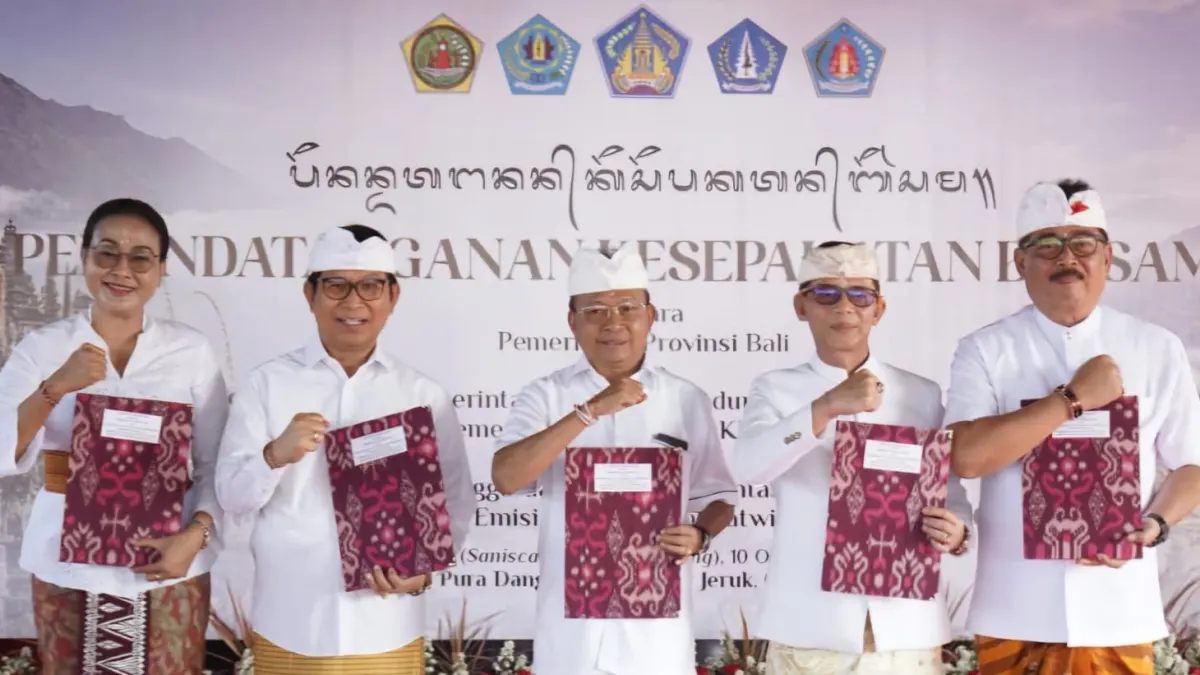
This development relies on five pillars: green energy, green transportation, green ecosystem, green tourism industry and green society.
In the energy sector, the program includes the use of new, renewable energy and increasing efficiency. In the transportation sector, the direction includes the development of battery-based electric vehicles and their supporting infrastructure.
Ecosystem protection includes forest rehabilitation, increasing green open space, coastal protection, and waste management from the source. For the tourism sector, attention is being paid to reducing single-use plastic and developing quality destinations.
The community is also placed as part of program implementation through capacity building, participation in protecting the environment, and economic development based on local wisdom.
Implementation and benefits need to be measured
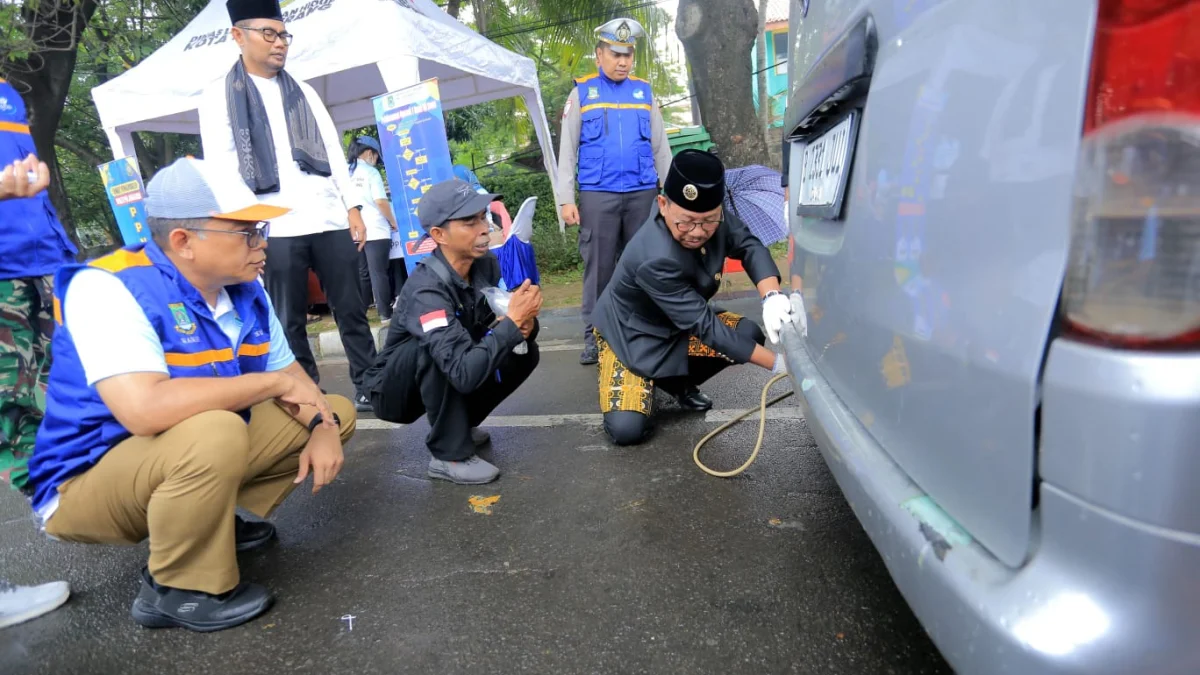
Determining this area is still a policy direction. The Bali Provincial Government's statement has not detailed the size of the emission reduction target, budget requirements, or schedule for providing infrastructure in each area.
Koster himself emphasized that the success of the program needs to be seen from the consistency of implementation and the benefits felt by the community.
Therefore, implementation needs to be translated into priority programs, budgeting, division of responsibilities, and measurable performance indicators. Implementation for the 2026–2030 period also requires regular evaluation to assess achievements and correct obstacles.
Artikel ini merupakan siaran pers resmi yang diterbitkan melalui Meja Redaksi GARIS BUMI. Materi telah melalui peninjauan editorial untuk kenyamanan dan kejelasan informasi bagi pembaca.
Share Your Thoughts Editorial Moderation Required