
Mangroves for COP31 Delegates' Carbon Footprint, Results Need to Be Proven
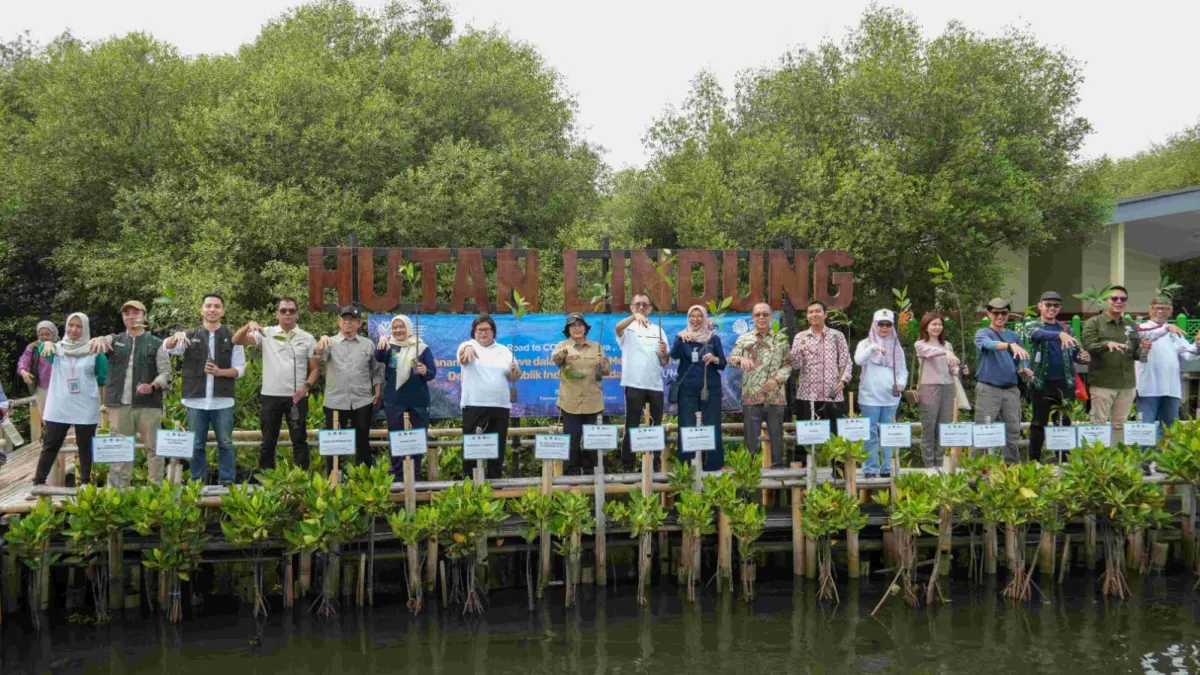
This figure is a projection based on assumptions, not the result of measuring the carbon that has been absorbed. KLH/Environmental Management Agency (BPLH) also stated that planting requires long-term maintenance and replanting.
The success of mangroves goes beyond the number of seedlings
The ecological context determines whether these projections can be achieved. The UN Food and Agriculture Organization (FAO) explains that the mismatch between mangrove types and hydrological conditions, including the frequency and depth of tidal inundation, is the main cause of restoration failure.

FAO also warned that excessive focus on planting could result in tree stands without restoring the function of the mangrove ecosystem as a habitat for fish, crabs and other organisms that support people's lives.
The United Nations Environment Program (UNEP) emphasizes the need to understand the causes of damage before planting. When pressures such as pollution or overharvesting can be stopped, mangroves can recover naturally under certain conditions. Community involvement and selecting local seeds is also an important part of recovery.
What needs to be made public?
The KLH/Environmental Management Agency (BPLH) release has not detailed the method for calculating aviation emissions or the basis for applying absorption assumptions per tree at the planting location.
Share Your Thoughts Editorial Moderation Required