Indonesia Pushes for Global Agreement on Plastic Pollution, Handling Starts from the Upstream
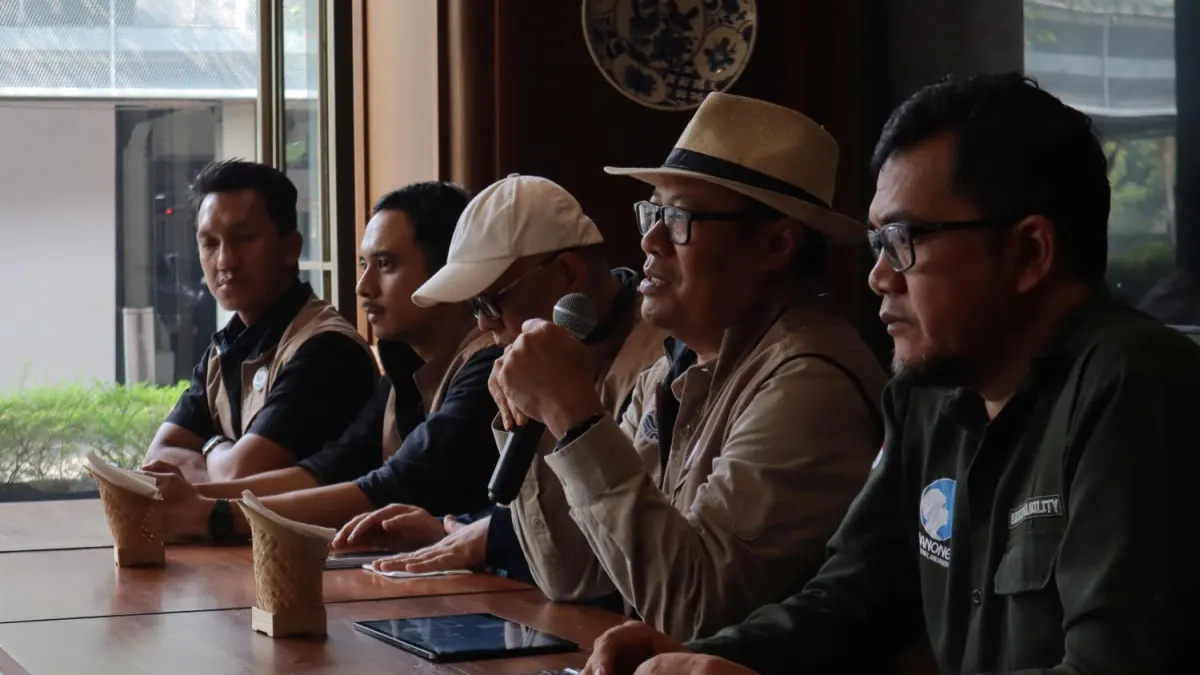
The proportion of plastic waste continues to increase
In their statement, KLH/Environmental Management Agency (BPLH) said the proportion of plastic waste in Indonesia would increase from 11 percent in 2010 to almost 20 percent in 2024.
Without serious intervention, the proportion is projected to reach 50 percent of total waste in 2050. Meanwhile, packaging, containers and shopping bags contribute around 40 percent of all plastic waste.
This condition shows the need to reduce waste from the source. Collection, processing and recycling also need to be strengthened so that plastic waste does not pollute land and marine ecosystems.
KLH/Environmental Management Agency (BPLH) emphasizes infrastructure readiness and the involvement of all parties in the production chain to waste management to accelerate the implementation of a circular economy.
Delegation Visits Waste Banks and Scavenger Cooperatives
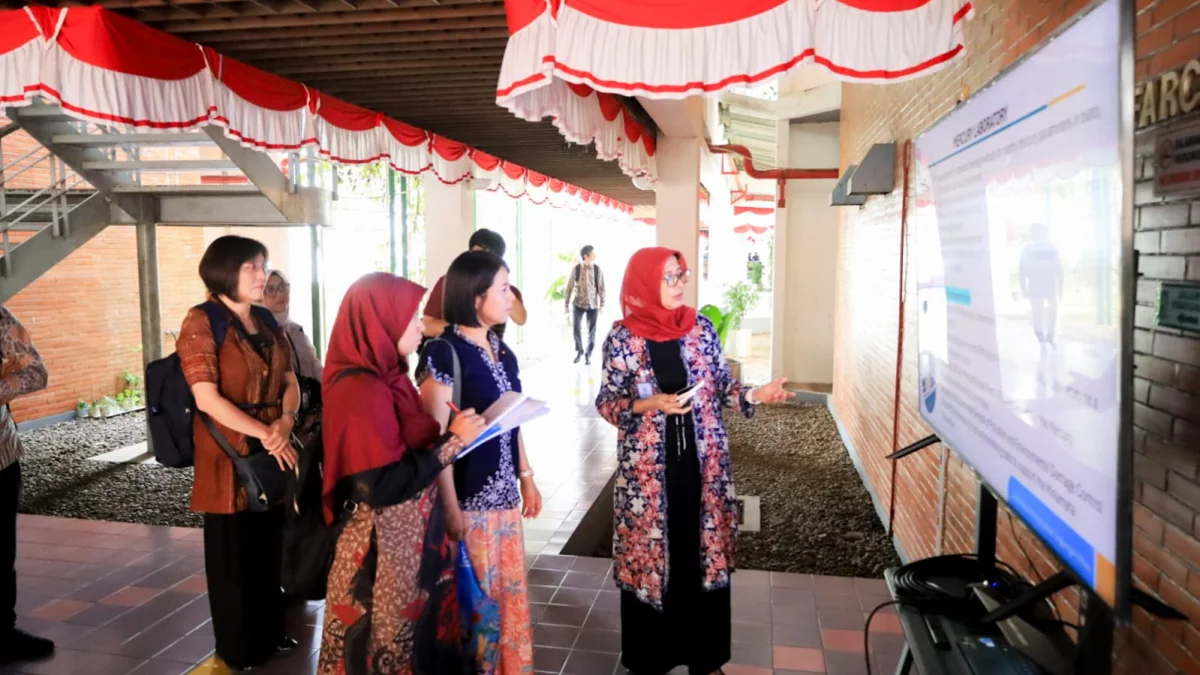
As part of the meeting, delegates visited a number of waste management locations in South Jakarta and South Tangerang on 15 October 2026.
The visit included community-based waste sorting at the Main Gesit Waste Bank, waste management at the Jakarta Recycling Center and TPS3R Pesanggrahan, as well as the role of the informal sector through the Empowered Scavenger Cooperative.
The review provides an overview of waste management practices in Indonesia, starting from community participation, infrastructure support, to the involvement of scavengers in collecting recyclable materials.
Artikel ini merupakan siaran pers resmi yang diterbitkan melalui Meja Redaksi GARIS BUMI. Materi telah melalui peninjauan editorial untuk kenyamanan dan kejelasan informasi bagi pembaca.
Share Your Thoughts Editorial Moderation Required