Forest Data Needs to be Updated so that Land Protection and Utilization is Right on Target
Maintaining Carbon, Water Management and Habitat
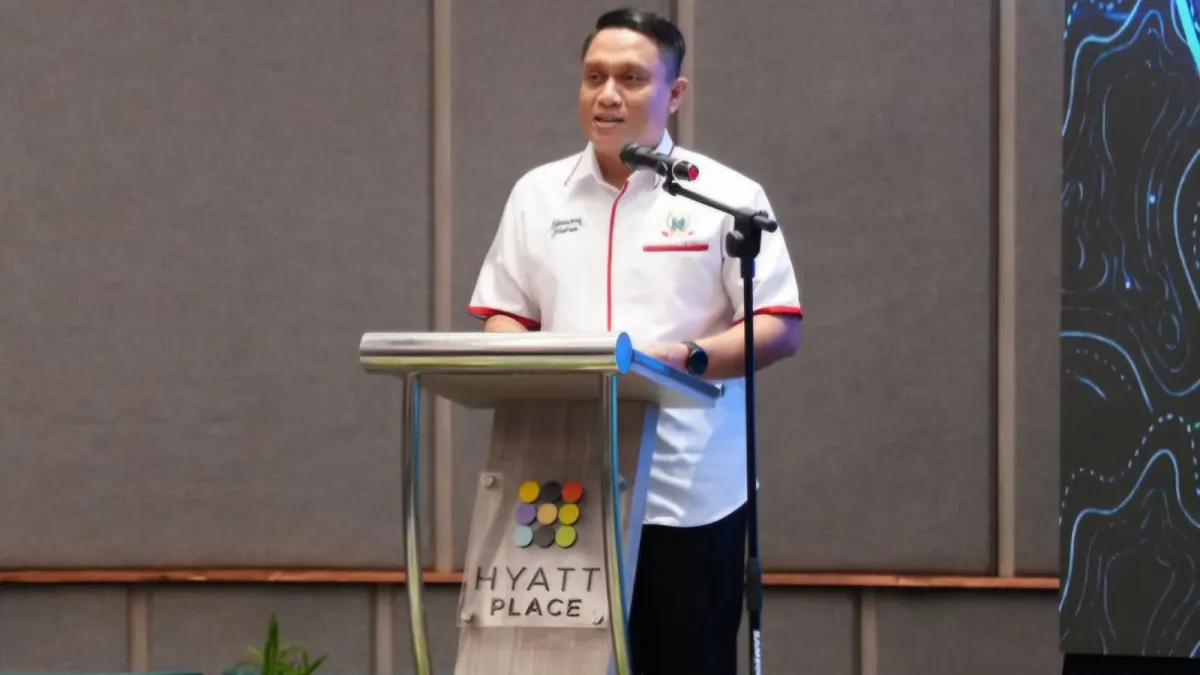
In the speech of the Director General of Forestry Planning, which was read by Benny Raharjo, the differences in the nature of the landscapes of Kalimantan and Sulawesi were a concern in preparing the plan.
Kalimantan has tropical forests, peat and mangroves which play a role in storing carbon, water management and protecting biodiversity. Meanwhile, Sulawesi has mountainous ecosystems, endemic biodiversity, and river basins connected to the coast.
The RKTN contains six directions for space use, including conservation; protection of natural forests, peat and mangroves; rehabilitation; corporate-based forest utilization; community-based utilization; as well as areas for non-forestry.
In this speech, it was emphasized that spatial distribution must ensure that areas that need to be protected are maintained, degraded ecosystems are restored, and forest use continues to pay attention to ecological functions.
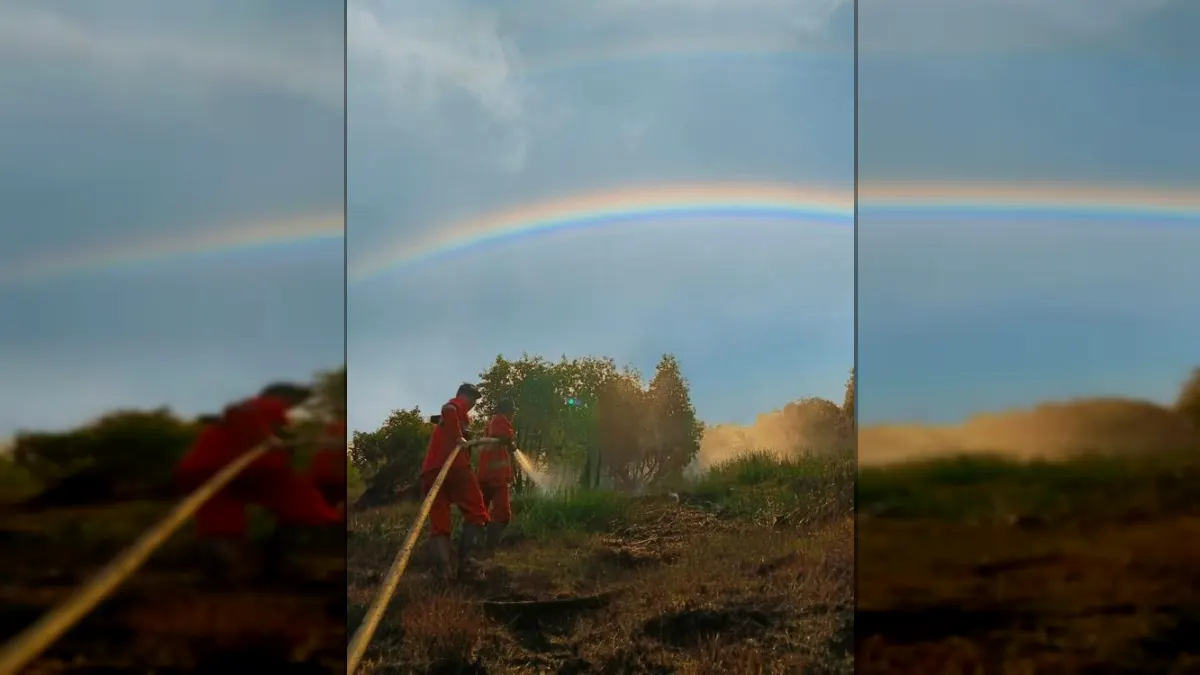
Andi Winarno also encouraged forestry development to support emission reduction, increase carbon absorption, and strengthen ecosystem resilience, in line with Indonesia's FOLU Net Sink 2030 agenda.
The forum organized by the Directorate General of Forestry Planning involved the environmental and forestry services, Bappeda, academics and KPH managers. Participants are encouraged to identify implementation obstacles and formulate steps that can be followed up in the regions.
Artikel ini merupakan siaran pers resmi yang diterbitkan melalui Meja Redaksi GARIS BUMI. Materi telah melalui peninjauan editorial untuk kenyamanan dan kejelasan informasi bagi pembaca.
Share Your Thoughts Editorial Moderation Required