
1.5 Million Tons of Food Waste a Year, Greater Bandung Faces Food Waste Burden
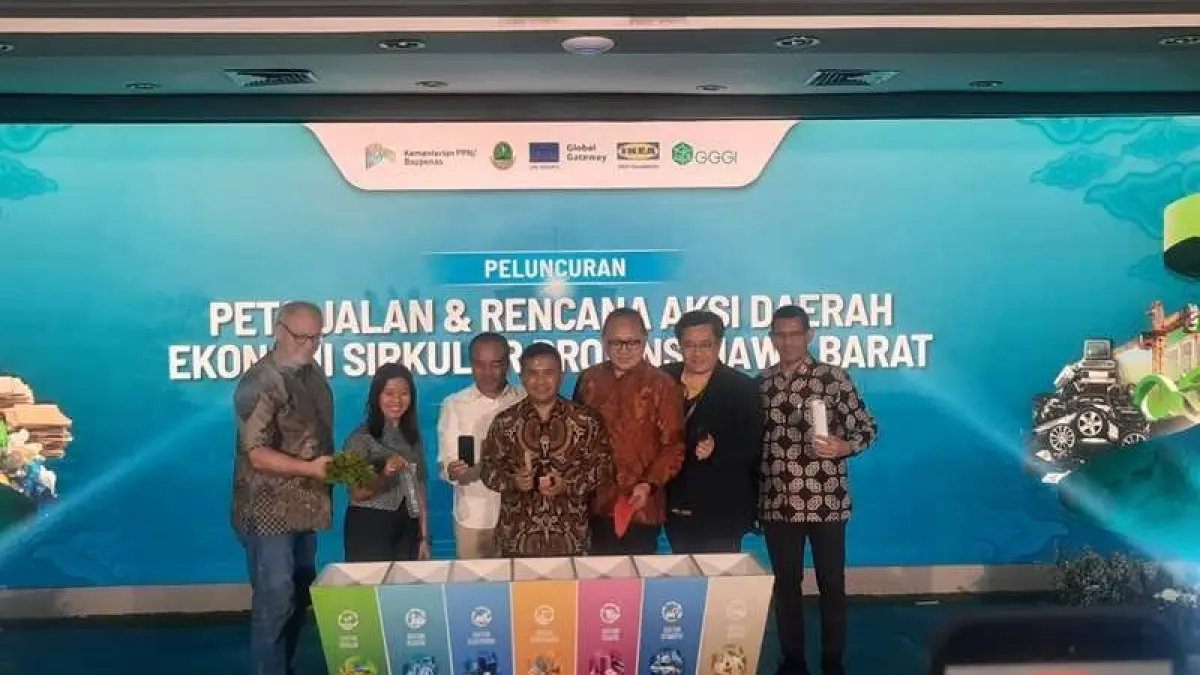
BANDUNG, GARISBUMI.com – The Greater Bandung area is estimated to produce 1.5 million tons of food waste every year. The large generation is one of the challenges that will be answered through the Food Loss and Waste Reduction (FLOWER) Program, which makes West Java a pilot area for reducing food loss and waste.
The West Java Provincial Government together with the Ministry of National Development Planning/Bappenas and the Global Green Growth Institute (GGGI) launched the program in conjunction with the 2025–2045 Circular Economy Regional Action Plan (RAD) at the West Java Bappeda Office, Bandung, Tuesday (29/9/2026).
The FLOWER program is aimed at reducing food loss or waste throughout the supply chain, from production, distribution and processing to consumption. This effort is also expected to reduce the burden on final processing sites (TPA).
Regional Assistant for the Economy and Development of the West Java Regional Secretariat, Sumasna, said that food waste is a large part of the waste that goes to the landfill.
"In downstream matters, it turns out that 45 to 50 percent of the waste that goes to the landfill is food waste, food waste," said Sumasna.
This condition is a concern amidst the almost maximum capacity of the Sarimukti landfill. Therefore, reducing food waste needs to be done upstream, before the food is wasted and enters the final processing site.
Artikel ini merupakan siaran pers resmi yang diterbitkan melalui Meja Redaksi GARIS BUMI. Materi telah melalui peninjauan editorial untuk kenyamanan dan kejelasan informasi bagi pembaca.
Share Your Thoughts Editorial Moderation Required