
1.5 Million Tons of Food Waste a Year, Greater Bandung Faces Food Waste Burden
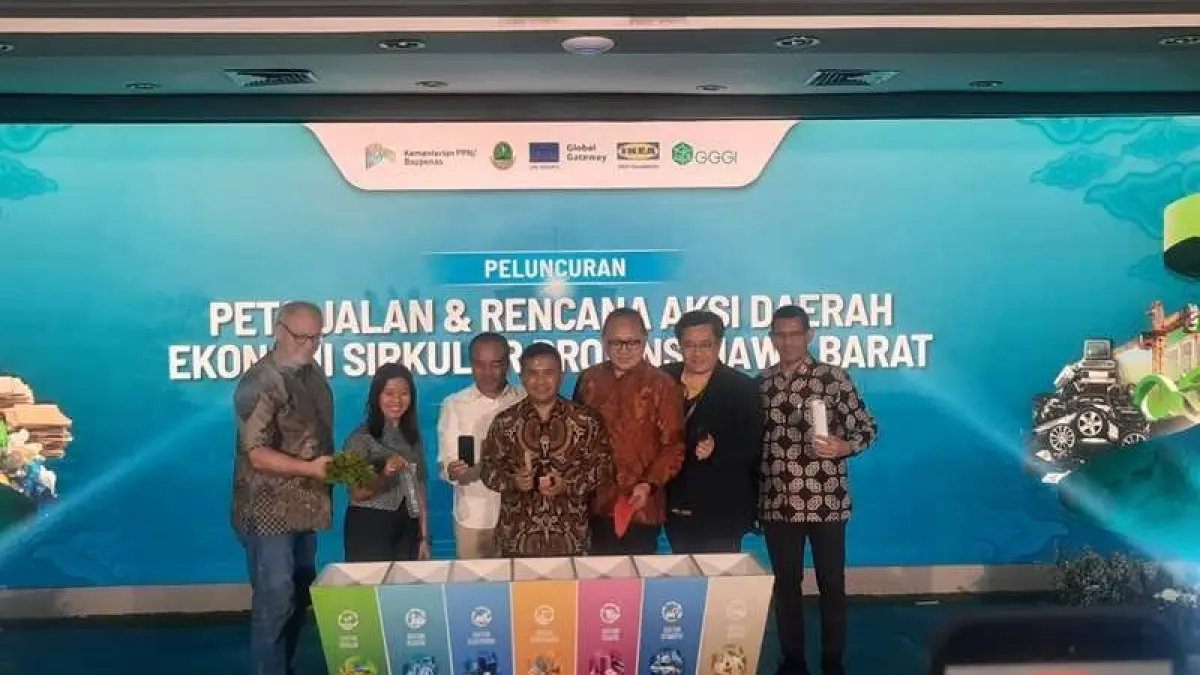
Reducing Food Waste from Production to Consumption
Deputy for Food, Natural Resources and Environment at the Ministry of National Development Planning/Bappenas, Teguh Sambodo, said this program encourages awareness, responsibility and innovation in the management of food resources and waste.
FLOWER uses a foodshed approach, namely handling the food supply chain in a certain geographic area. This approach connects production locations with distribution channels, processing, and places where food is consumed.
West Java was chosen as a pilot area because it has challenges as well as great potential in reducing food loss and waste.
According to a 2024 Bappenas study quoted in the West Java Provincial Government's statement, food loss contributed 47.79 percent of the total food loss and waste in the province.
Meanwhile, Greater Bandung is estimated to be home to around 9.3 million residents in 2025 and accommodate 7.7 million tourists in 2023. The large amount of activity in this metropolitan area also provides an important context for handling food waste.
"We appreciate the Province of West Java which has become, is willing to become a pilot, become a lighthouse for other provinces in developing and implementing a circular economy," said Teguh.
Artikel ini merupakan siaran pers resmi yang diterbitkan melalui Meja Redaksi GARIS BUMI. Materi telah melalui peninjauan editorial untuk kenyamanan dan kejelasan informasi bagi pembaca.
Share Your Thoughts Editorial Moderation Required