
1.5 Million Tons of Food Waste a Year, Greater Bandung Faces Food Waste Burden
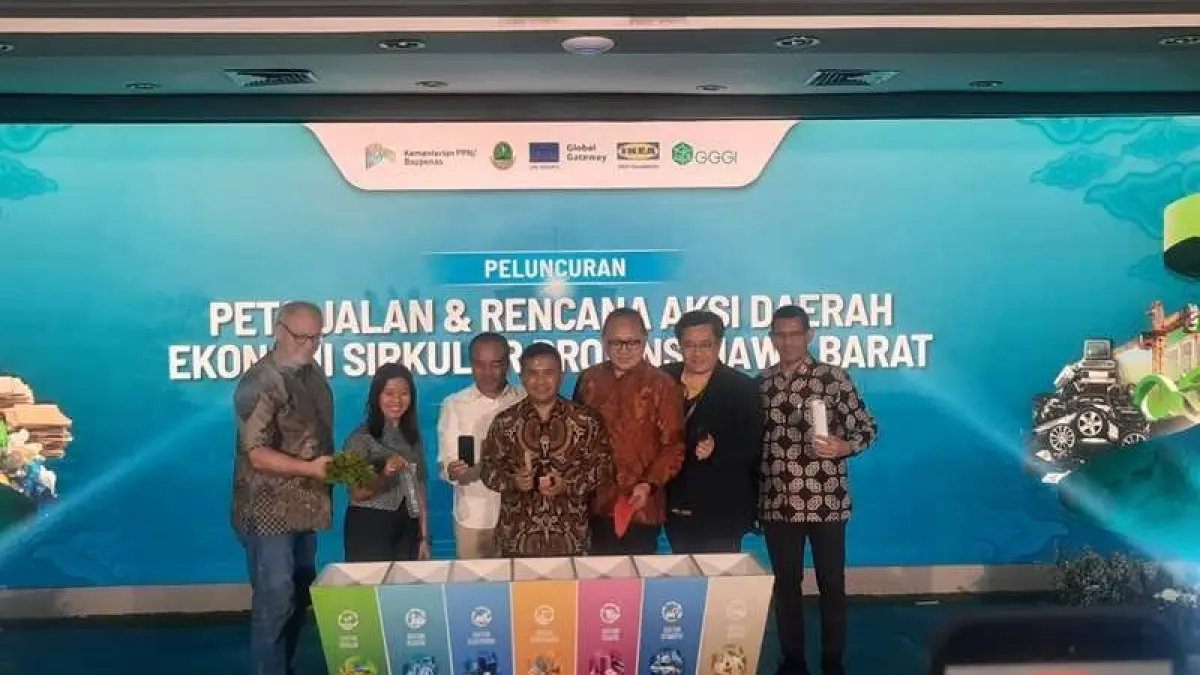
Food Waste Burdens the Environment
The problem of food loss and waste is also related to climate change and waste of resources.
In a statement from the West Java Provincial Government, food loss and waste is said to contribute to around 8-10 percent of global greenhouse gas emissions. Food that is lost or wasted also means that the resources to produce it are not utilized optimally.
Reducing food loss and waste is part of the Road Map and National Action Plan for Circular Economy 2025–2045 which was launched by the Ministry of National Development Planning/Bappenas.
The national road map covers five priority sectors, namely food, construction, electronics, textiles and retail with a focus on plastic packaging. West Java added the paper and automotive sectors because they were considered to have a large contribution to the regional economy.
Involve the Government, Business World and Academics
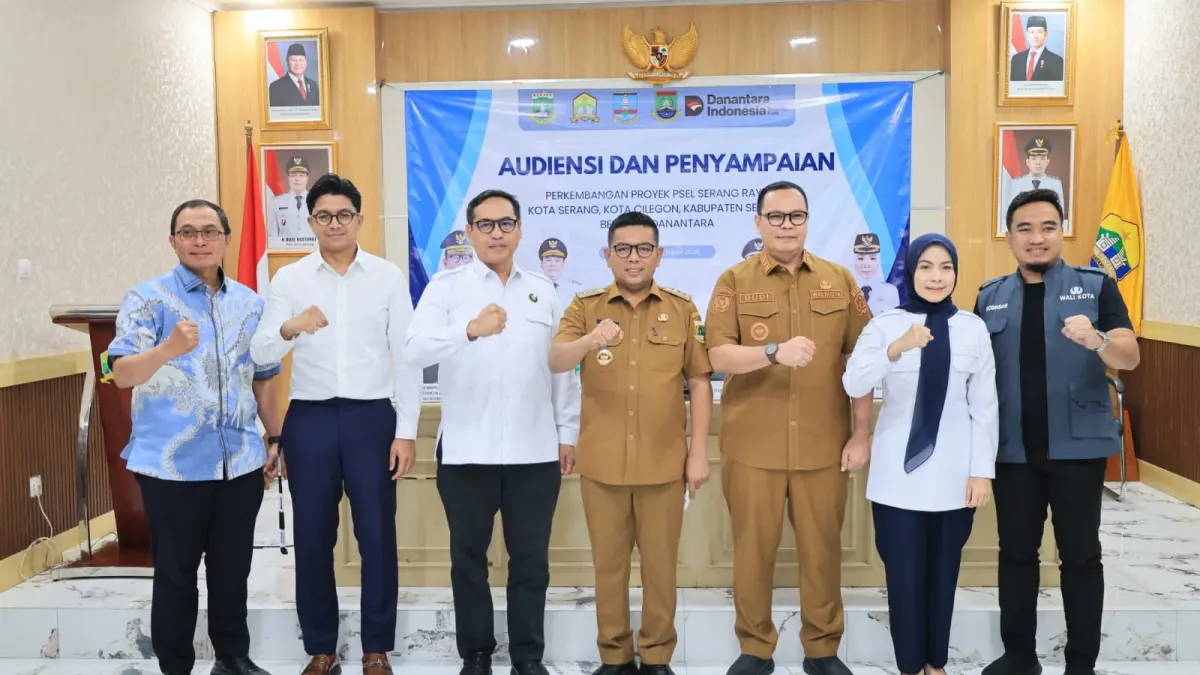
The FLOWER program is organized by the Ministry of National Development Planning/Bappenas and implemented by GGGI with funding support from the IKEA Foundation. The program is part of a regional initiative that also includes India, Mexico and Uganda.
West Java Bappeda is proposed to be the main stakeholder and beneficiary of the program because it has a role in cross-sector planning at the provincial level.
Implementation will involve the government, private sector and academics to align activities and avoid overlaps with other programs.
Artikel ini merupakan siaran pers resmi yang diterbitkan melalui Meja Redaksi GARIS BUMI. Materi telah melalui peninjauan editorial untuk kenyamanan dan kejelasan informasi bagi pembaca.
Share Your Thoughts Editorial Moderation Required