Sobirin and Waste Returned to IDR 464 Million for Residents
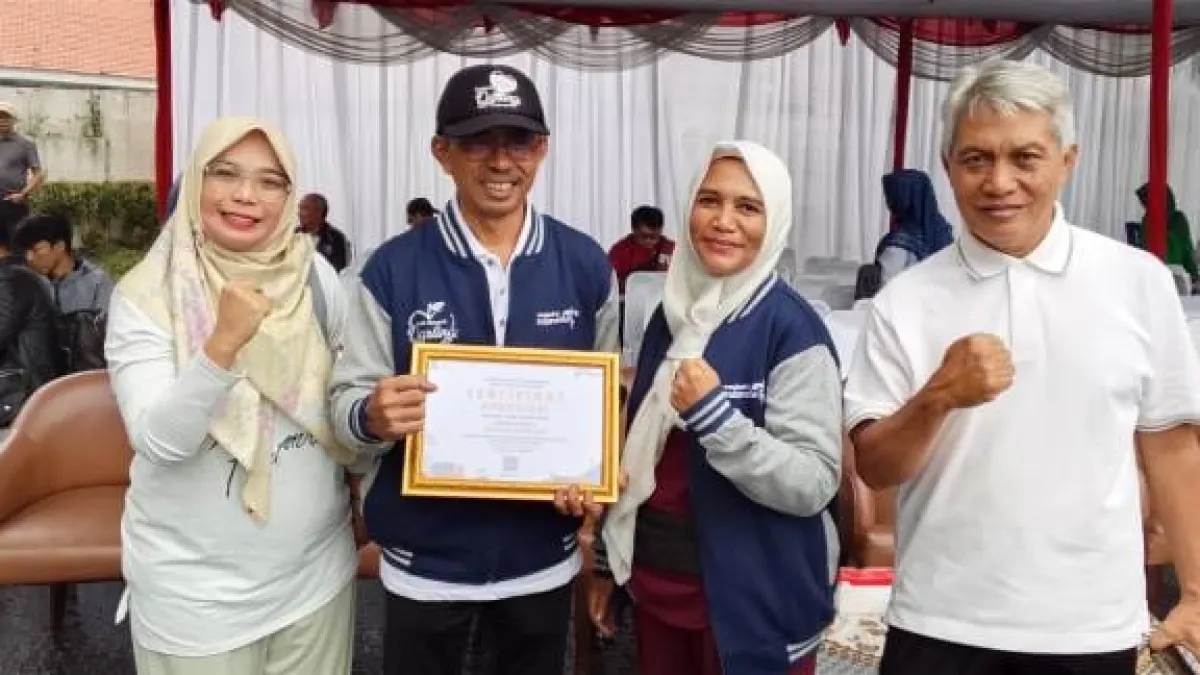
Behind these numbers is increasingly widespread citizen participation. Waste that was previously thrown away is now collected because it has value. The environment becomes better protected, while the community receives direct economic benefits.
"We want to make this action of caring for the environment a lifestyle. Through the waste bank, residents not only help the government reduce the burden on landfills, but also get direct economic benefits," said Sobirin.
Not Just Collecting Trash
What Sobirin and the residents of Kampung Darling did shows that the waste bank is not just a place to deposit used goods.
More than that, the waste bank becomes a shared learning space. Residents learn to recognize types of waste, understand the value of materials that have been thrown away, and see the relationship between household habits and broader environmental problems.
Every piece of waste that is successfully diverted from landfill means a reduction in the volume of material that must be transported and landfilled. In the long term, this habit will help reduce the burden on government waste management.
The Darling Waste Bank also shows that economic benefits and environmental concerns can go together. Residents are not only asked to maintain cleanliness, but also get real results from the waste they sort.
The economic value of almost half a billion rupiah returned to residents over five years is proof that community-based waste management is not just a symbolic activity. If managed consistently, waste can become part of a circular economy at the village level.
Artikel ini merupakan siaran pers resmi yang diterbitkan melalui Meja Redaksi GARIS BUMI. Materi telah melalui peninjauan editorial untuk kenyamanan dan kejelasan informasi bagi pembaca.
Share Your Thoughts Editorial Moderation Required