Bandung Residents Sort More Than 60 Tons of Organic Waste Every Day
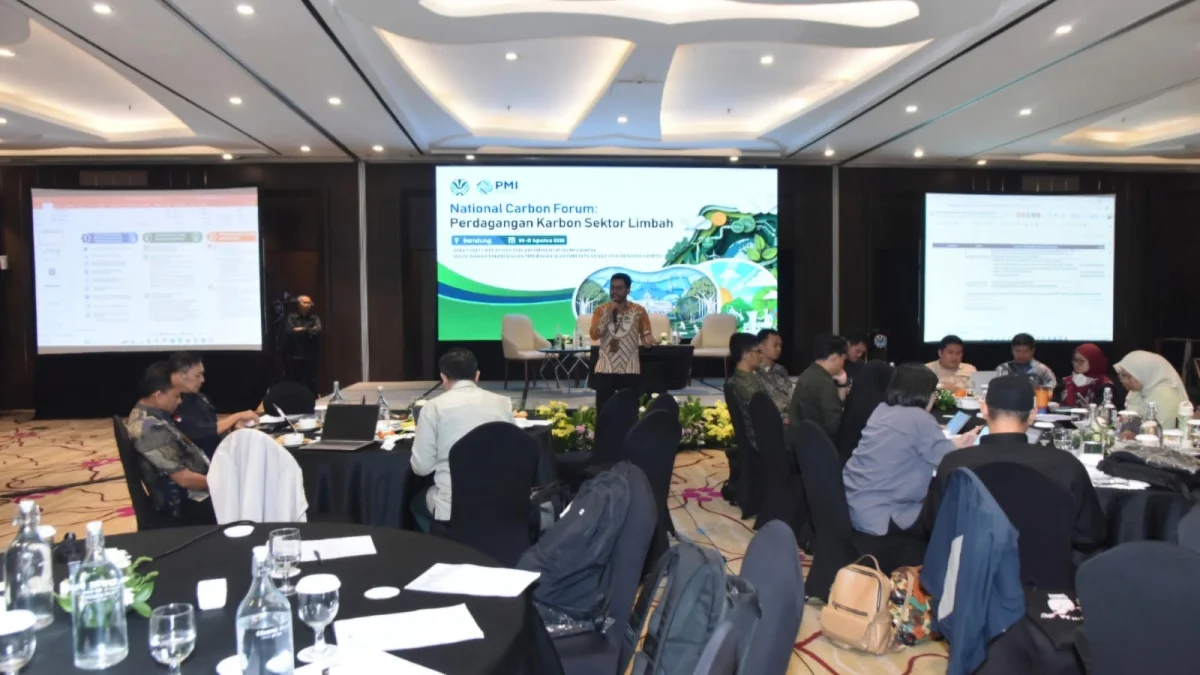
BANDUNG, GARISBUMI.com – The waste sorting movement at the neighborhood level in Bandung City has succeeded in collecting more than 60 tons of segregated organic waste every day. This activity is now starting to be prepared so that its contribution to reducing emissions can be calculated and has the opportunity to enter the carbon trading ecosystem.
This program is being run by the Bioscience and Biotechnology Development Foundation or YPBB through GASLA involving officers in around 1,501 RWs since early 2026.
The volume of more than 60 tons per day has exceeded the program's initial target of 45 tons. However, this amount is only part of the total organic waste generation in Bandung City, which is estimated to reach around 641 tons every day.
This data was discussed at the National Carbon Forum: Waste Sector carbon trading in Bandung on 20 August 2026 and published by KLH/Environmental Management Agency (BPLH) on 29 August.
Sorting organic waste is important in controlling emissions because waste that rots without oxygen in landfills can produce methane. By diverting organic waste from landfill to more appropriate processing, the resulting emissions have the potential to be reduced.
But for such reductions to have value in carbon trading, the sorting activity must be traceable and measurable.
Acting Director of Management for the Implementation of Economic Value of Carbon at KLH/Environmental Management Agency (BPLH) Haryo Pambudi said that waste management activities must have valid, measurable and transparent data so that their contribution to reducing emissions can be calculated.
Share Your Thoughts Editorial Moderation Required