
The Carbon Market Is Not Just a Transaction, It Must Restore the Environment
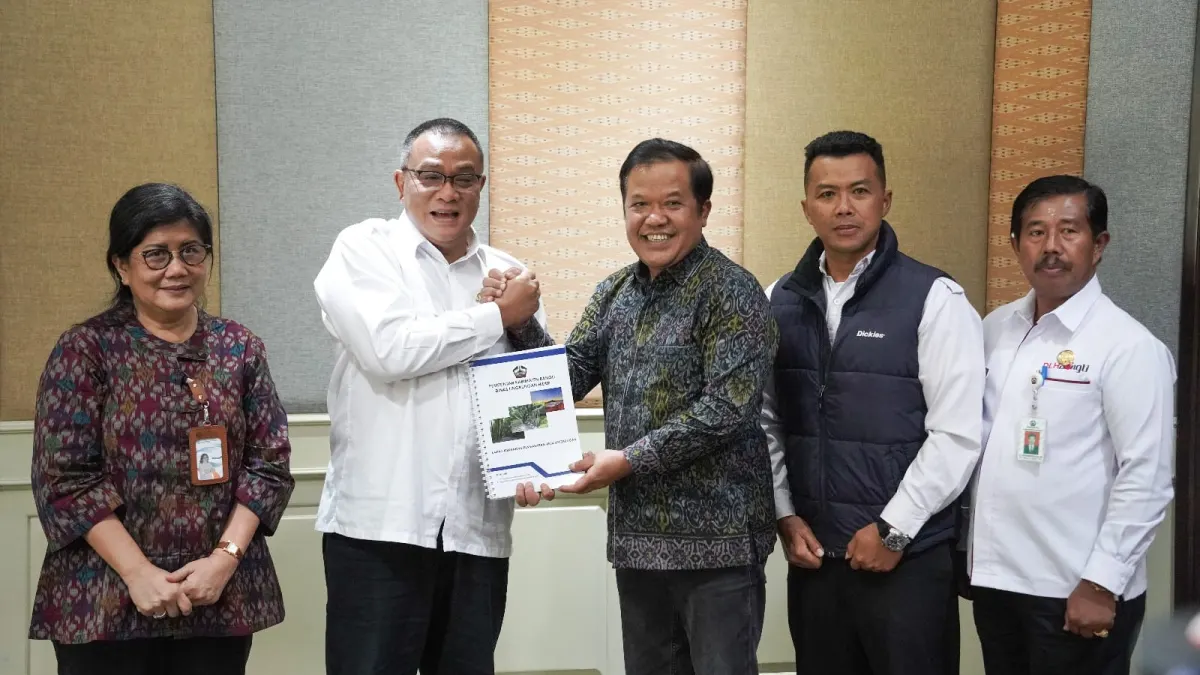
BALI, GARISBUMI.com – Minister of the Environment/Head of the Environmental Control Agency (KLH/Environmental Management Agency (BPLH)) Moh Jumhur Hidayat emphasized that the Indonesian carbon market should not only be a place to trade carbon units. This mechanism must encourage environmental recovery while providing real benefits to society.
According to Jumhur, carbon market development must rely on measurable climate action, reliable evidence, and governance with integrity. A new carbon value can be formed after action to reduce emissions is actually carried out and proven.
This assertion was conveyed at the 2026 Indonesia Carbon and Biodiversity Summit with the theme “Architecture of the Indonesian Carbon Industry: From Climate Action to Credible Carbon Values” in Bali, Wednesday, September 9 2026.
“Carbon is not the starting point, carbon is the result. "The starting point is the real challenges we face, starting from emissions from economic activities, ecosystem degradation, inadequate waste management, to pressure on forests, peatlands, coastal areas and marine ecosystems," he said. Jumhur said.
Economic Growth Must Go Hand in Hand with Climate Action
Jumhur said economic development was still needed to create jobs, strengthen industry and improve community welfare. However, economic growth must go hand in hand with reducing emissions, protecting ecosystems, and increasing resilience to climate change.
He reminded that not all environmental activities can be immediately claimed as mitigation actions that produce carbon units. Every emission reduction must go through stages of measurement, reporting and verification to ensure the results are valid and traceable.
Therefore, the credibility of the Indonesian carbon market is very dependent on the strength of regulations, institutions, data systems, as well as measurement, reporting and verification or MRV mechanisms.
The registration and transaction monitoring system must also be strengthened so that each carbon unit has a clear track record. This step is necessary to prevent double counting and double claims for the same mitigation results.
Carbon Investments Must Provide Real Benefits
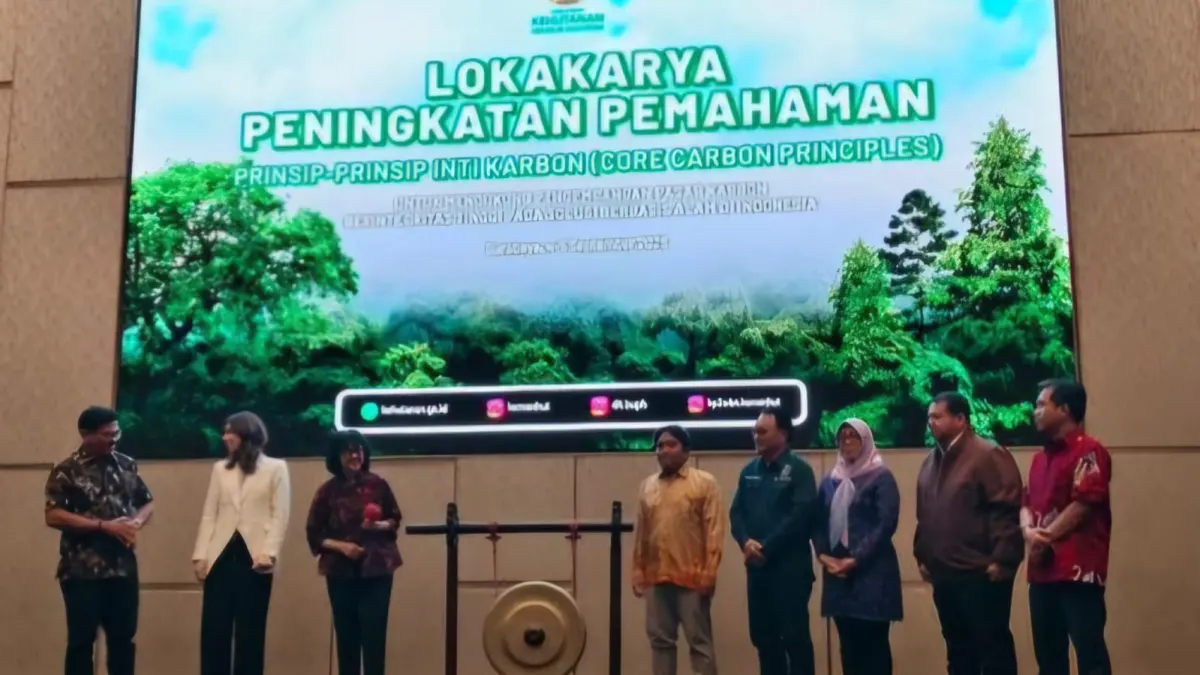
In addition to reducing emissions, the development of carbon markets must support the protection of biodiversity. Forests, peatlands, mangroves, coastal areas and marine ecosystems are natural capital that maintain environmental balance while supporting people's lives.
Jumhur emphasized that investment and international cooperation in the carbon sector must be directed at activities that produce real environmental benefits. Investments must not solely pursue the economic value of selling carbon units.
Indonesia continues to open up space for investment, technology and international cooperation that can strengthen climate action. However, any development must take into account national interests, ecosystem protection and community welfare.
According to Jumhur, the future of the Indonesian carbon market is not only determined by the number of carbon units issued or how quickly transactions take place. The quality of action, strength of evidence, governance accountability, nature protection and benefits for society are the main measures.
Through the Indonesia Carbon and Biodiversity Summit 2026, KLH/Environmental Management Agency (BPLH) encourages the government, business actors, financial institutions, academics, environmental organizations and the community to build a transparent and credible Indonesian carbon ecosystem.
This cross-sector collaboration is expected to make the carbon market an instrument that supports the achievement of climate targets and sustainable development, while ensuring that the economic benefits of carbon return to the environment and society.
Artikel ini merupakan siaran pers resmi yang diterbitkan melalui Meja Redaksi GARIS BUMI. Materi telah melalui peninjauan editorial untuk kenyamanan dan kejelasan informasi bagi pembaca.
Share Your Thoughts Editorial Moderation Required