
Indonesia Brings Just Climate Transition to the UN, Encourages Financing for Developing Countries
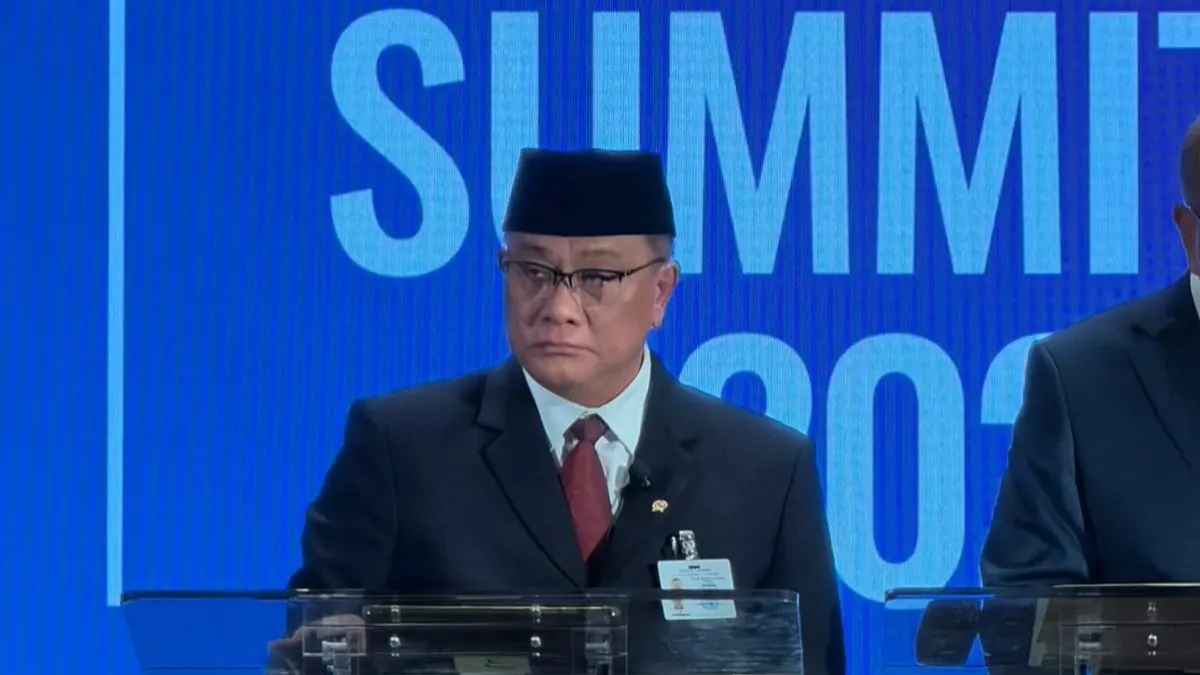
NEW YORK, GARISBUMI.com – Indonesia is calling for global climate ambition to be translated into real action that protects society while opening up development opportunities. The transition to a low-carbon economy, according to the government, must be fair, affordable and provide direct benefits for vulnerable groups.
This appeal was conveyed by the Minister of the Environment/Head of the Environmental Control Agency (KLH/Environmental Management Agency (BPLH)) Moh Jumhur Hidayat in the Interactive Leaders Dialogue at the 2026 Climate Summit on Climate Action and the Just Transition at the United Nations Headquarters, New York, Wednesday (23/9/2026).
The meeting, which is part of the 81st UN General Assembly Session, was held ahead of the 31st Conference of the Parties to the UN Framework Convention on Climate Change or COP31 UNFCCC.
The forum discussed three main challenges, namely accelerating emissions reduction and a just transition, expanding affordable financing for developing countries, and strengthening community adaptation and resilience to climate risks.
"The Paris Agreement is our compass. However, when the space to maintain a temperature increase of 1.5 degrees Celsius is increasingly narrowing, our task is to bridge global commitments into real results," said Jumhur.
According to him, the implementation of climate commitments must remain guided by justice and the principle of shared responsibility which differs according to the capabilities of each country.
Net Zero Emission Target 2060
In this forum, Indonesia reaffirmed its target of achieving net zero emissions by 2060 or sooner through the implementation of Nationally Determined Contribution (NDC).
The government states that climate policy is designed to work with economic growth, energy security, poverty alleviation, environmental protection and increasing community resilience.
The approach places economic development and environmental protection on the same track. A number of cross-sectoral steps presented include reducing waste and methane emissions, industrial decarbonization, and developing low-carbon industries.
Indonesia also encourages responsible implementation of Carbon Capture, Utilization and Storage (CCUS), large-scale expansion of solar energy, development of electric vehicles, and the use of B50 biodiesel to strengthen energy security.
Jumhur said the energy transition and industrial transformation cannot be assessed solely based on technological sophistication or the size of investment.
"In the transition, it must be fair, orderly, state-led and people-centered," he said.
According to him, the success of the transition must also be measured by energy affordability, the availability of decent work, increasing added value within the country, protecting vulnerable groups, and environmental benefits felt by the community.
Indonesia Urges More Affordable Climate Finance
Indonesia's stance was strengthened through three Solution Dialogues which discussed climate financing, adaptation funding in conditions of global temperature rise that exceeds the threshold or overshoot, and reducing methane emissions.
In the climate financing dialogue, Indonesia emphasized the importance of funding that is in line with the implementation of the NDC and the National Adaptation Plan.
Grants and concessional financing are considered urgently needed by developing countries to build risk databases, early warning systems, ecosystem protection, and the capacity of local governments and communities.
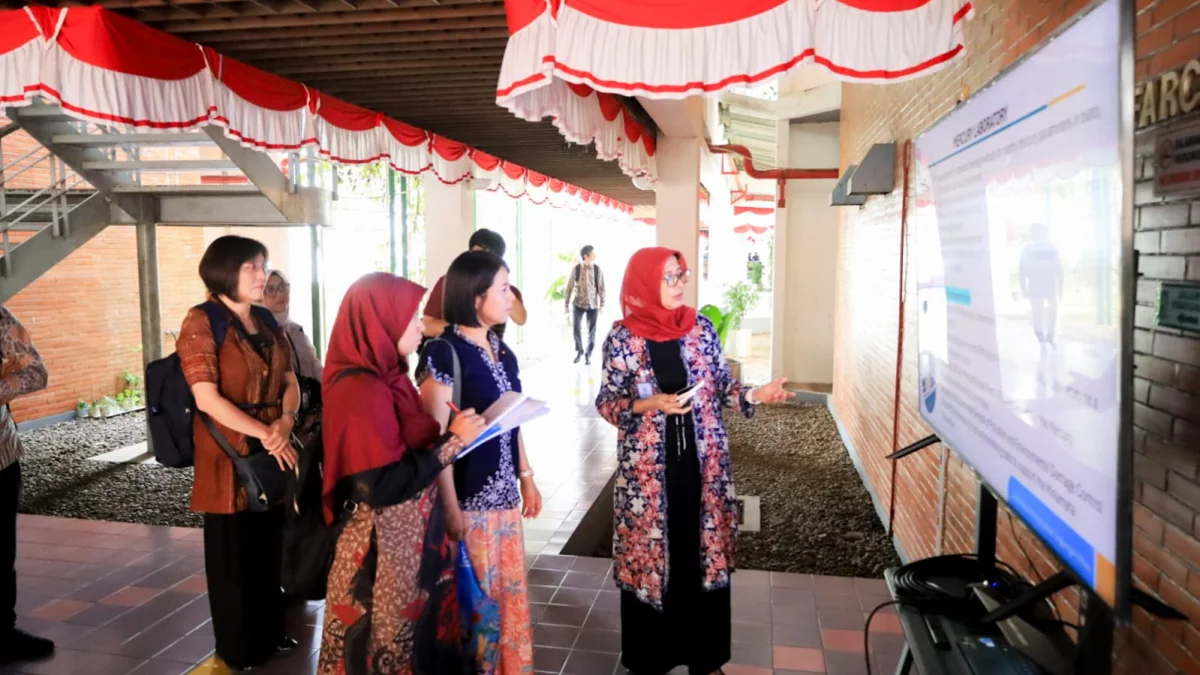
Indonesia also encourages support for handling loss and damage that is timely, adequate and easily accessible to countries and communities facing the impacts of extreme weather.
Ahead of COP31 in Antalya, Turkey, Indonesia requested credible progress in implementing and improving the New Collective Quantified Goal on Climate Finance or NCQG.
The government believes that multilateralism must produce real protection and development opportunities, especially for countries and communities most vulnerable to climate change.
Methane Contributes to 18.12 Percent of Indonesia's Emissions
Methane reduction is one of Indonesia's concerns. This gas is recorded to contribute around 18.12 percent of Indonesia's total greenhouse gas emissions in 2022.
Reducing methane emissions will be encouraged through improving waste and wastewater management, implementing a circular economy, strengthening measurement, reporting and verification or MRV systems, as well as increasing the capacity of local governments.
This step is not only aimed at reducing emissions, but also improving air quality, public health and environmental cleanliness.
As an archipelagic country, Indonesia also places adaptation on a par with mitigation. The government calls the development of a giant sea wall or Giant Sea Wall on the north coast of Java as an effort to deal with the threat of rising sea levels.
These efforts work together with the restoration of mangroves and coastal ecosystems to protect communities, residential areas and development centers from the impacts of climate change.
"Indonesia is ready to deepen partnerships that turn climate ambition into real development opportunities and resilience for all," said Jumhur.
The conference was opened by UN Secretary General António Guterres and attended by heads of state and government, heads of international organizations, multilateral financial institutions, the business world, regional governments, civil society and youth representatives.
A number of leaders who attended included Turkish President Recep Tayyip Erdoğan, Australian Prime Minister Anthony Albanese, European Commission President Ursula von der Leyen, Palau President Surangel Whipps Jr., and Barbados Prime Minister Mia Mottley.
Share Your Thoughts Editorial Moderation Required