
Kalimantan Forest and Land Fire Hotspot Soars, 3 Japanese Chinook Helicopters Ready for Water Bombing
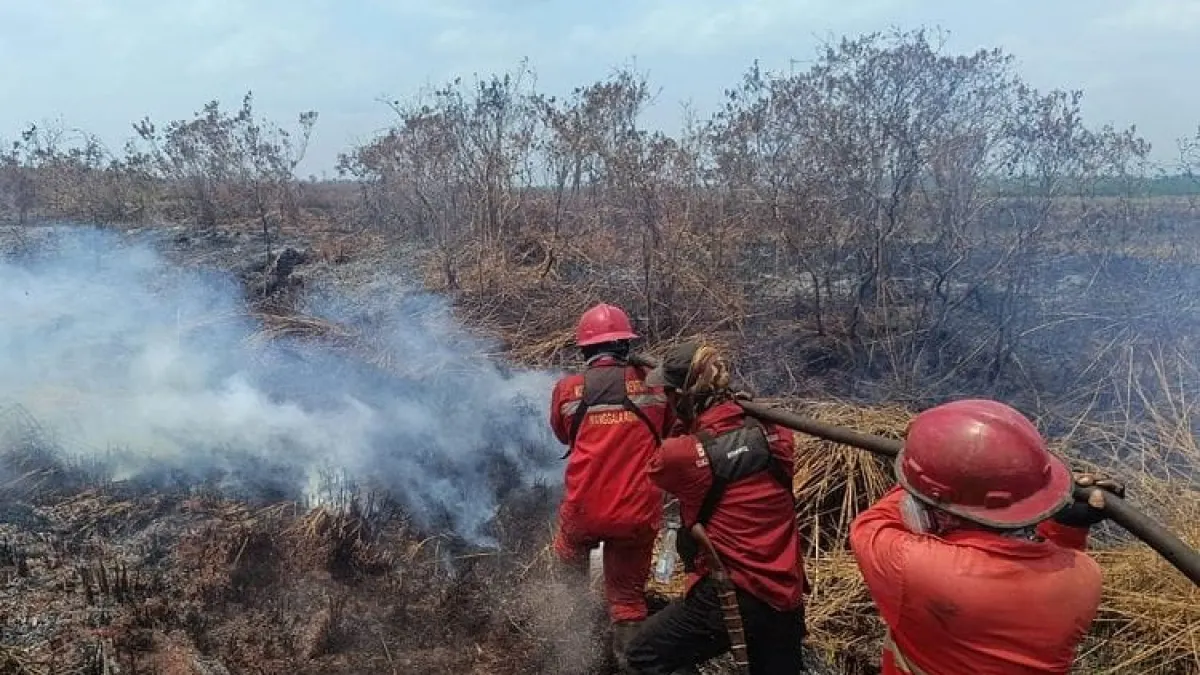
Japanese support involved approximately 180 personnel. Supervision of helicopter operations is under the TNI, including for security, flight permits and deployment of safety officers. The flight mission is coordinated with BNPB.
This assistance is part of the cooperation between Indonesia and Japan in the field of humanitarian assistance and disaster management or Humanitarian Assistance and Disaster Relief.
The presence of Chinook is expected to strengthen aerial firefighting, especially in areas that are difficult to reach by ground teams.
The government had previously alerted 53 air fleets in six priority provinces. A total of 34 fleets are used for water bombing, while 19 others are used for air patrols and supporting Weather Modification Operations.
The deployment of planes and helicopters was carried out based on hotspot developments, field inspection results, fire levels and weather conditions. Weather Modification Operations are also prepared when clouds that meet the requirements are available to help wetting the land.
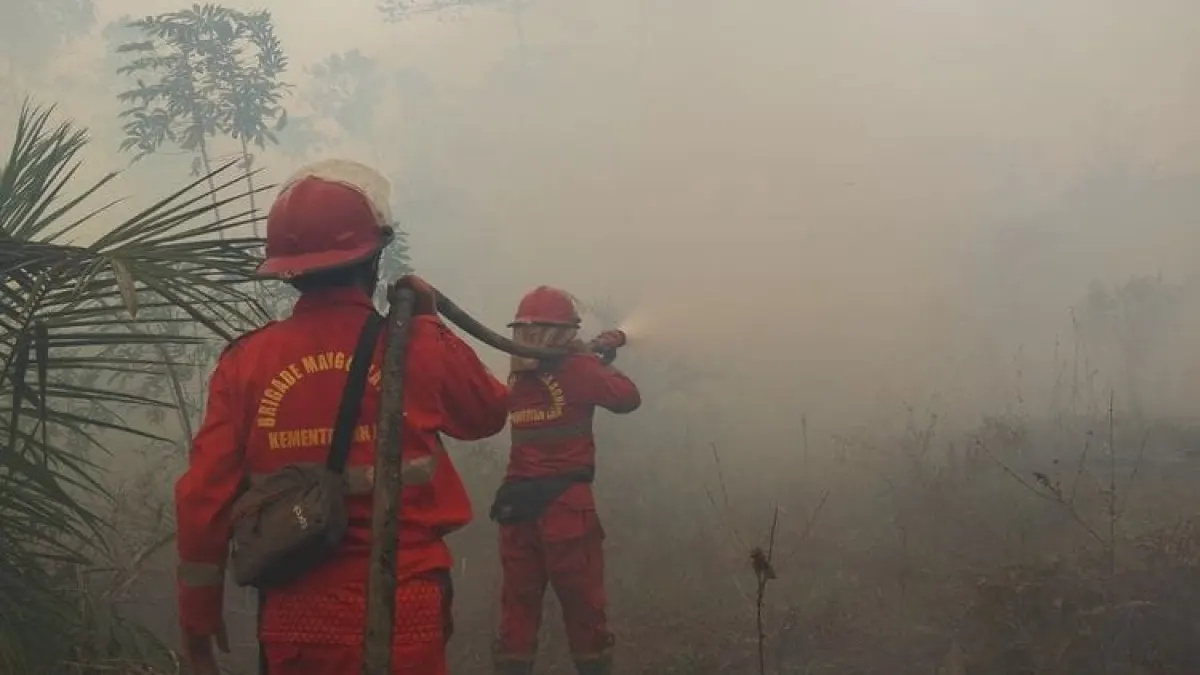
Air Quality and Visibility Monitored
In addition to hotspot development, the government monitors PM2.5 concentrations, smoke distribution, rainfall, wind direction and visibility.
Air quality in most parts of Indonesia is in the good to moderate category. However, a number of areas in Sumatra and Kalimantan are still experiencing unhealthy to very unhealthy conditions. In certain parts of Kalimantan, air quality has even been observed to be in the dangerous category.
Share Your Thoughts Editorial Moderation Required