
Kalimantan Forest and Land Fire Hotspot Soars, 3 Japanese Chinook Helicopters Ready for Water Bombing
Hotspots Are Not Necessarily Indicative of Fire
The Ministry of Forestry explained that Hotspots are an indication of surface temperature anomalies detected by satellites. SiPongi data comes from NASA Terra/Aqua, SNPP, and NOAA-20 satellite monitoring.
One hotspot does not always indicate one fire incident. Conversely, one fire location can be detected as several Hotspots.
Therefore, every monitored point must be checked through direct monitoring or groundcheck. The results of the examination are used to determine the location and form of surgery required.
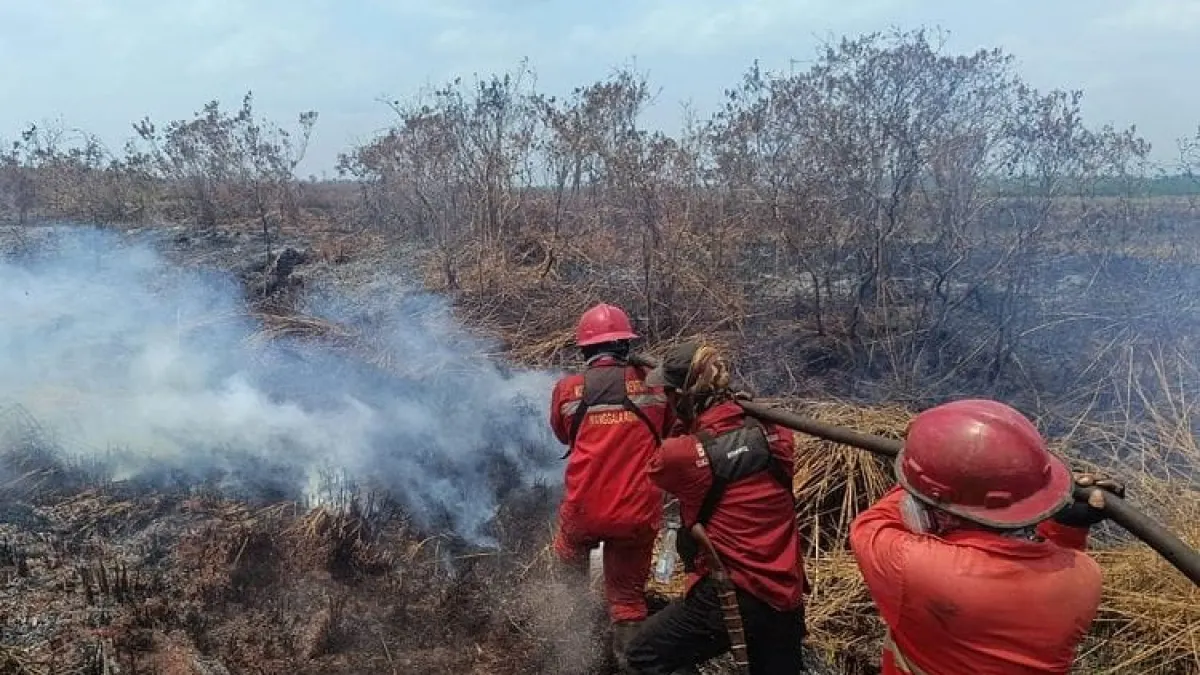
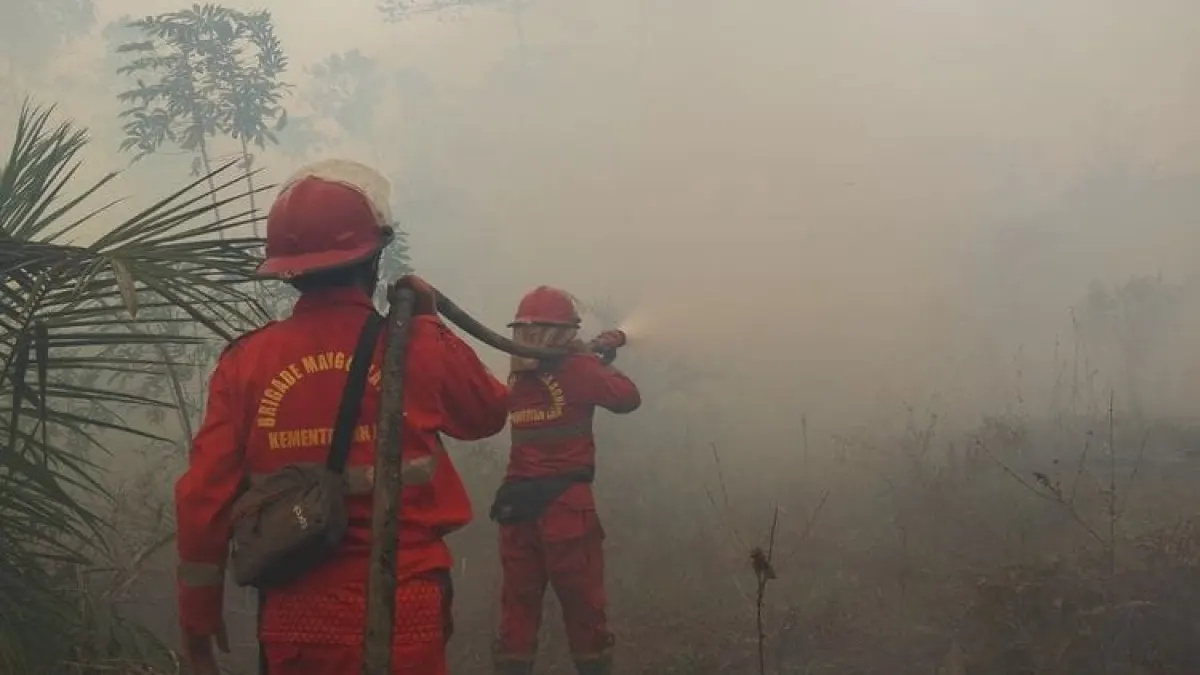
Manggala Agni together with the TNI, Polri, BNPB, BMKG, BPBD, local government, community and business world continue to carry out patrols, ground extinguishing, fire blocking, wetting and cooling.
Handling in peat areas takes longer because embers can persist below the surface even though the fire is no longer visible.
Japanese Chinook Arrives in West Kalimantan (Kalbar)
Forest and land fire air operations now have additional strength in the form of three CH-47 Chinook helicopters belonging to the Japan Ground Self-Defense Force.
The three helicopters were brought aboard the Japan Maritime Self-Defense Force ship JS Kunisaki and have arrived at the Kijing Terminal, West Kalimantan (Kalbar). The helicopter will undergo technical preparation and flight tests before being used for water bombing operations.
Share Your Thoughts Editorial Moderation Required