
Government targets additional renewable energy of 42.6 GW by 2034
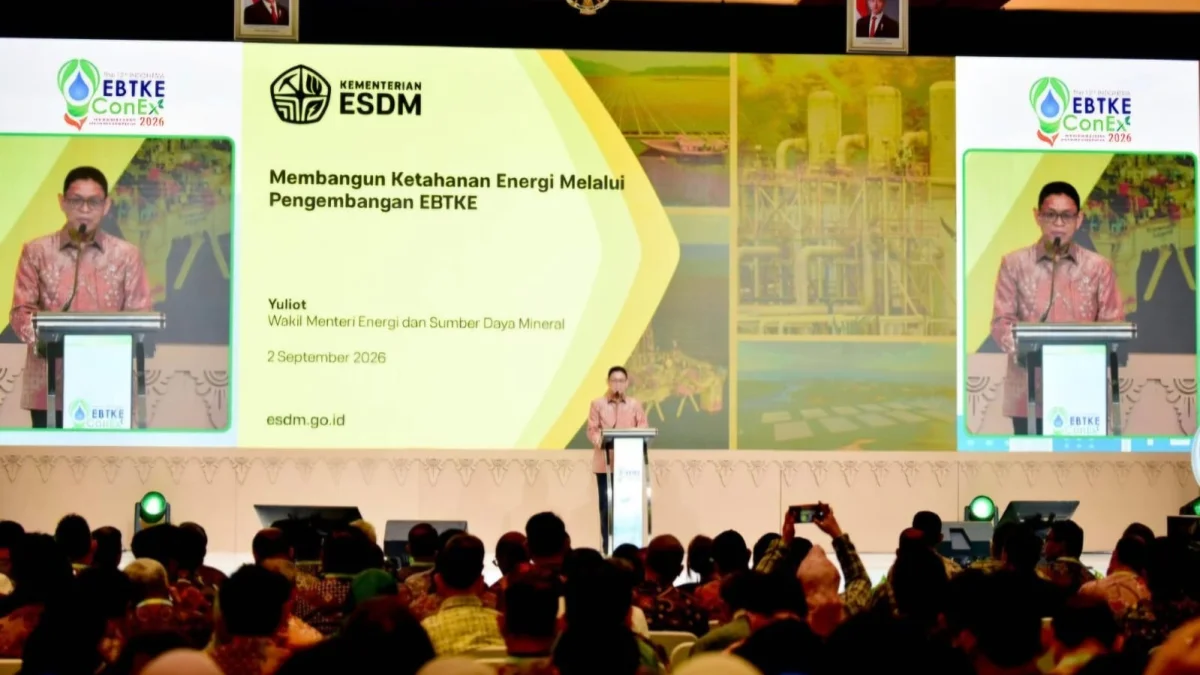
Disruptions in energy supply, according to Yuliot, could impact inflation, production costs, as well as the burden of subsidies and compensation that the government must bear.
“New, renewable energy is part of the government's priority program as stated in the Asta Cita, namely strengthening the country's defense and security system, as well as encouraging national independence through energy self-sufficiency,” he said.
Apart from increasing renewable energy generation capacity, the government is encouraging the use of biofuels through the implementation of B50. The government is also accelerating the use of electric vehicles, building gas networks, using compressed natural gas as a substitute for LPG, and using other clean energy sources.
Urban waste is also projected to become an energy source. Based on data presented at the forum, national waste generation in 2025 will reach 52.6 million tons or around 145 thousand tons per day. However, only around 25 percent has been managed.
Through waste to energy technology, waste can be processed into electricity, biomass and renewable fuel oil. It is hoped that this utilization can reduce pollution while reducing the amount of waste that enters the final processing site.
Apart from generator needs, the government believes that Indonesia must build an integrated clean energy supply chain. The development of renewable energy must not only depend on equipment and technology imported from abroad.
“What is no less important is how we build a new, renewable energy ecosystem. "So, we have to look at the supply chain which must be integrated," he said. said Yuliot.
Share Your Thoughts Editorial Moderation Required