Enforcement of Forest Crime and the Mangrove Carbon Project, What is the Impact on Residents?
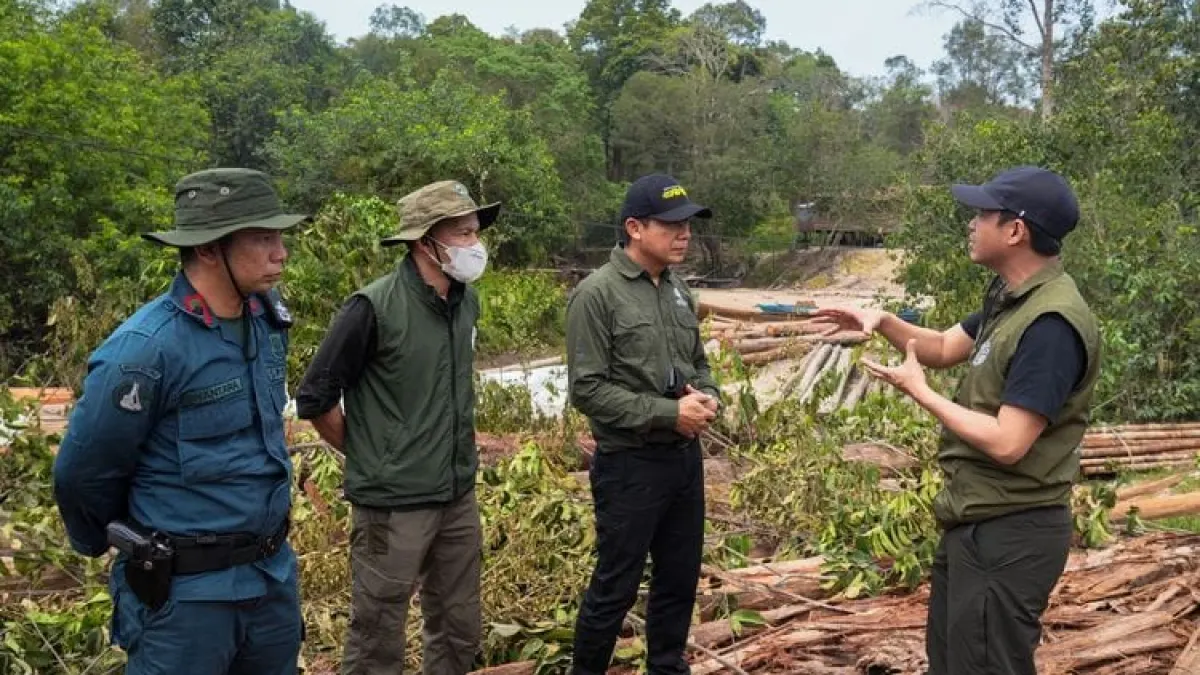
GARISBUMI.com – Prosecuting suspected forestry crimes, restoring animal habitats, and developing the economy of coastal communities are part of the Ministry of Forestry's agenda in early November 2026. The impact needs to be seen from the continuation of the legal process, forest conditions, and the benefits received by the community.
In a statement published on November 6 2026, the Ministry of Forestry outlined a number of actions and conservation programs under the Minister of Forestry Raja Juli Antoni. The agenda includes handling forest and land fires, disclosing allegations of illegal timber distribution, and preparing for mangrove carbon projects.
For the community, the policy concerns living space: safety of settlements from fire, sustainability of livelihoods, and citizen involvement in forest management.
Corporate action needs to be followed by a clear legal process
According to the Ministry of Forestry, national enforcement of forest and land fire laws has reached 20 corporations, including four foreign investment companies, as well as 245 individual suspects. The ministry also said that the case files of two suspect corporations in Kubu Raya had been handed over to the prosecutor's office.
This statement does not specify the recording period, the identity of all corporations, or the legal stages of each case. Suspect status and the transfer of files are part of the legal process, not a guilty verdict.
In the timber sector, the ministry reported the disclosure of alleged laundering of wood involving 23 containers in Surabaya as well as the failure to transport 343 logs of wood which it said came from illegal activities in the Meru Betiri National Park. The action also targeted 16 gold mining camps without permits in the Kerinci Seblat National Park.
Share Your Thoughts Editorial Moderation Required