Before South Meruya TPS-3R operates, residents are asked to sort their waste from home
Citizens Need Concrete Examples
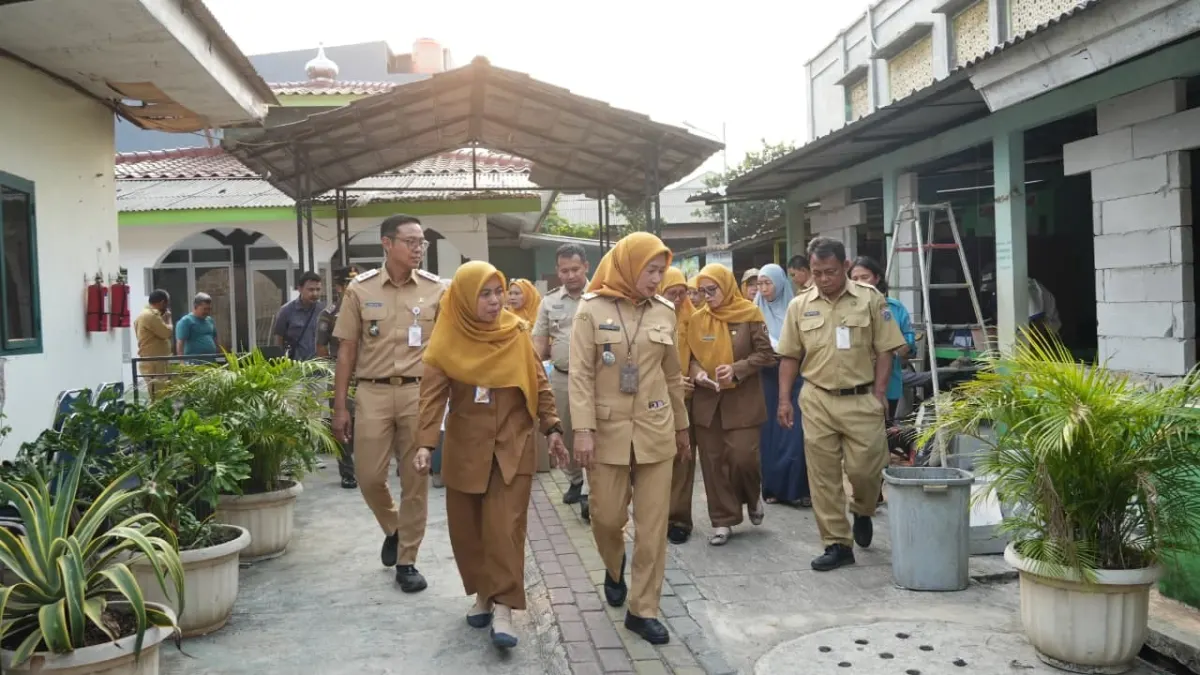
From the results of the inspection, Iin found that some residents did not understand the types of waste that had to be separated. Socialization, according to him, needs to be accompanied by concrete examples so that the message about waste sorting is easier to implement.
"Often we only mention organic waste, but don't give examples. For example, organic waste in the form of leaves and food waste. By giving examples, people will understand and get used to it more easily," he said.
Iin explained that people do not have to buy new containers to start sorting waste. Equipment that is already available at home, such as used food containers, cans, or unused buckets, can be used.
"There's no need to buy a new container. Just use an unused food container, can or bucket. One for kitchen waste and another for plastic," he said.
He also asked regional officials, Family Empowerment and Welfare (PKK) cadres, and Dasawisma to be actively involved in assisting residents. Sorting from the source is considered to be an important stage so that the waste entering TPS-3R can be processed optimally and not mixed again.
Involve Students in Supervising Waste Sorting
Apart from residential areas, Iin reviewed the implementation of waste sorting at SDN Meruya Selatan 03 and SMPN 206 Jakarta. The two schools were considered to have started sorting waste, but mixed waste was still found in the shelter.
He asked the school to form a special team involving students to supervise sorting while maintaining the cleanliness of the school environment.
Artikel ini merupakan siaran pers resmi yang diterbitkan melalui Meja Redaksi GARIS BUMI. Materi telah melalui peninjauan editorial untuk kenyamanan dan kejelasan informasi bagi pembaca.
Share Your Thoughts Editorial Moderation Required