Bandung Produces 1,511 Tons of Waste a Day, Home Sorting is Key

Piling Up Garbage Is Risky to Health
Agung reminded that the waste problem does not stop with the smell and cleanliness of the city. Waste that is not managed properly can also become a breeding ground for disease-carrying animals.
"This waste is not just an aesthetic problem. From a health perspective, waste that is not managed properly can become a medium for disease transmission, a breeding ground for disease factors, and become an intermediary for disease," said Agung.
He explained that piles of rubbish can attract flies and mice. Meanwhile, used containers that hold standing water have the potential to become breeding grounds for mosquitoes.
Agung gave the example of the risk of dengue hemorrhagic fever which is transmitted through the Aedes aegypti mosquito and leptospirosis which is related to bacteria carried by mice. Garbage that contaminates food, hands and water sources can also increase the risk of digestive tract infections.
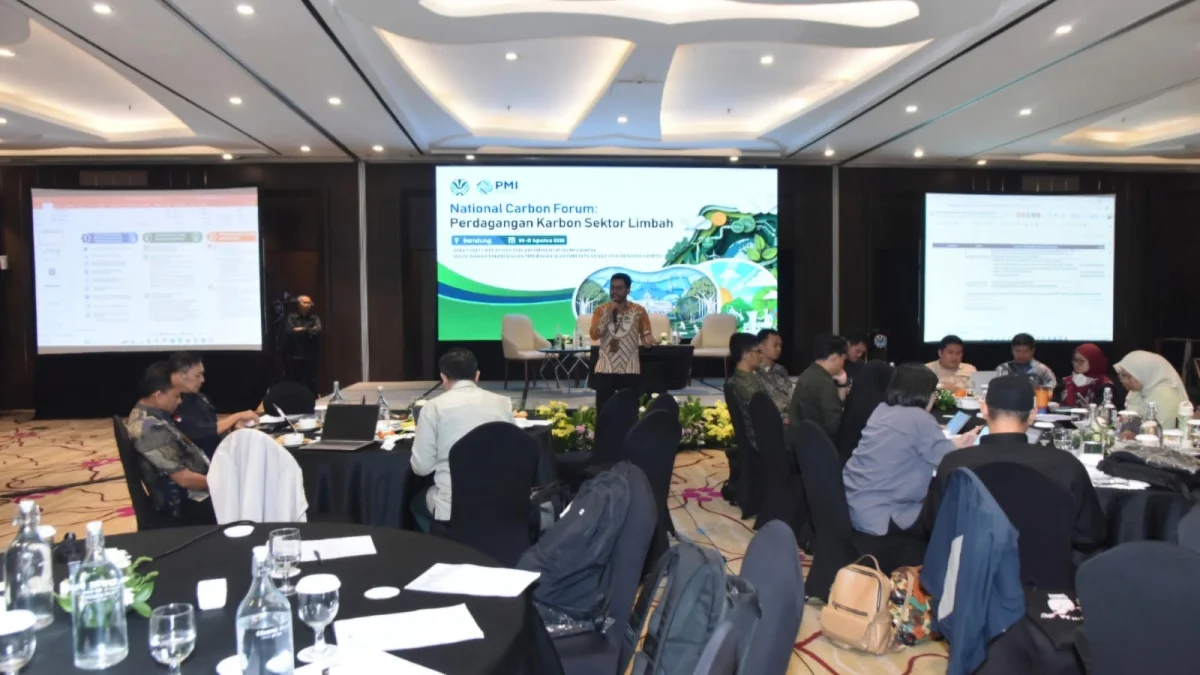
"The problem moves to the environment, water, air, to the soil. And in the end this can come back to us in the form of health problems," he said.
Agung also highlighted the open burning of rubbish. According to him, burning smoke can contain irritants and toxic substances that interfere with breathing and cause problems with the eyes and skin.
"In fact, there is a much simpler form of prevention, namely throwing rubbish in the right place, sorting rubbish, don't burn rubbish carelessly, and don't let water stagnate," he explained.
Artikel ini merupakan siaran pers resmi yang diterbitkan melalui Meja Redaksi GARIS BUMI. Materi telah melalui peninjauan editorial untuk kenyamanan dan kejelasan informasi bagi pembaca.
Share Your Thoughts Editorial Moderation Required