
After Collapse, It Grows Again
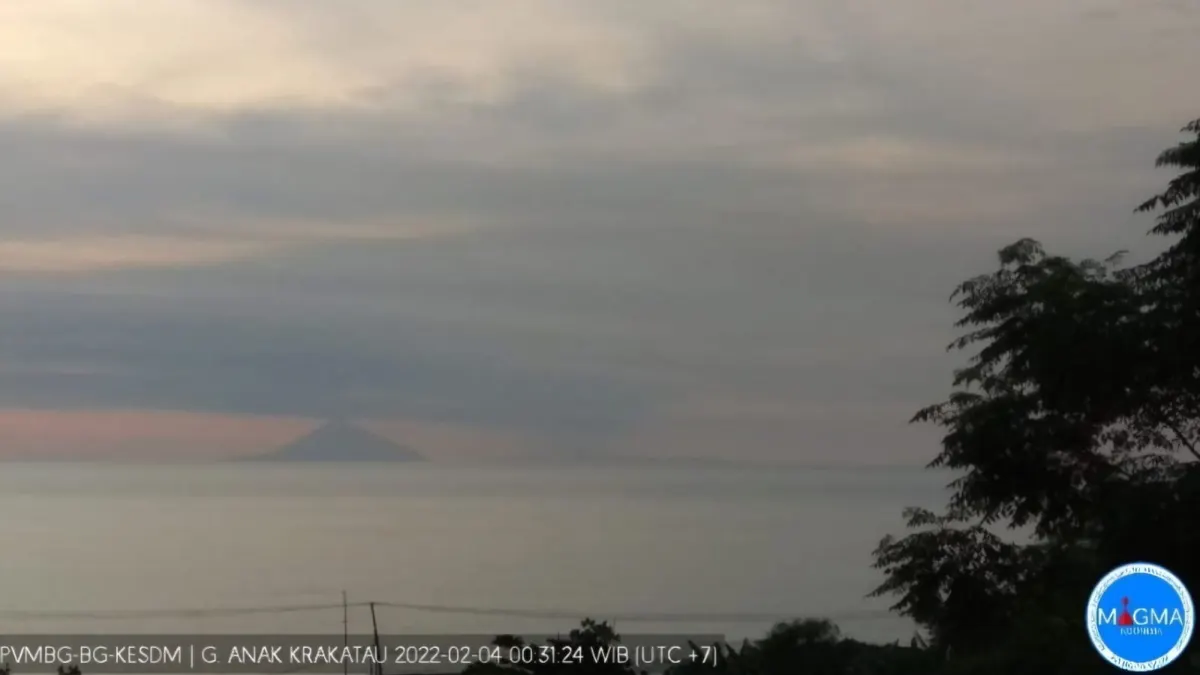
For coastal communities, every puff of smoke brings another memory.
Before 2018, the Anak Krakatau eruption was more often understood as a threat from throwing rocks, lava and ash. After the tsunami, attention was no longer focused only on the top of the crater, but also on the slopes and sea around it.
Mountain avalanches are a threat that must be taken into account. The timing and volume are difficult to predict. Avalanches can even occur when mountain activity is not increasing sharply.
Because of this, monitoring of the Sunda Strait has also changed. One of the devices that was then installed was PUMMA, a tool for detecting changes in sea level in real time. The device was placed on Rakata Island, part of the Krakatoa complex.
The mountain is monitored. The sea is also monitored.
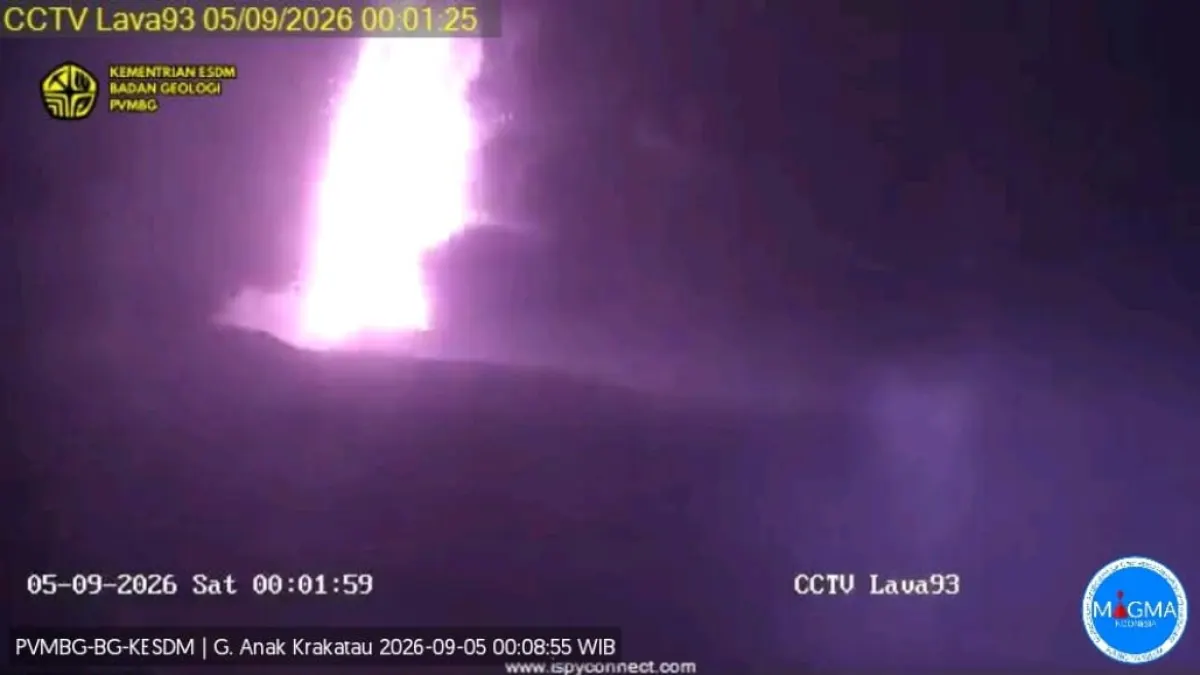
While humans improved the warning system, Anak Krakatau continued his own work.
New material is piling up again. Eruptions, ejections of incandescent rock, ash and lava slowly form new surfaces. As at the time of its birth, the mountain built its body from what was released from the bowels of the earth.
In February 2022, nine eruptions were recorded in one day. The ash column reached 800 to 1,000 meters above the peak. Hundreds of low-frequency earthquakes and gusts indicate the movement of fluid and magma towards the surface.
Share Your Thoughts Editorial Moderation Required