
2,649 Schools Encouraged to Carry Out 30 Days of Environmental Action through Ecological Repentance
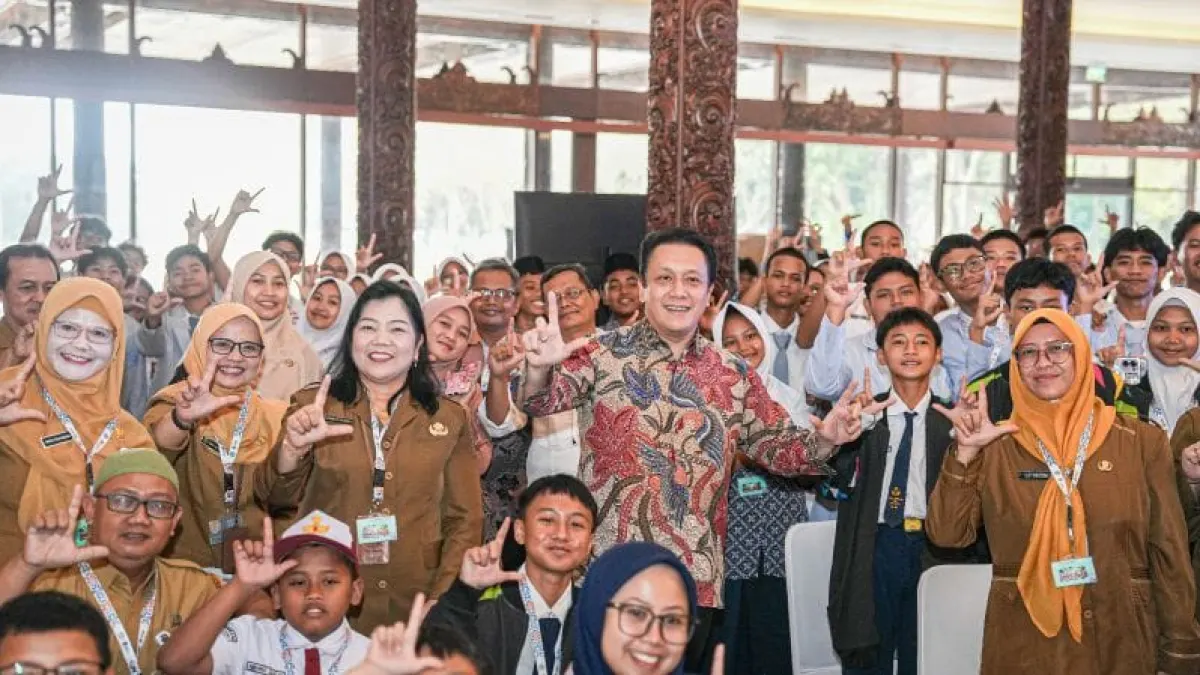
Five Stages of Environmental Action in Schools
Over the next 30 days, participating schools are encouraged to take rapid action through five stages: Reflect, Stop, Improve, Recover, and Cultivate.
Implementation includes improving cleanliness and sanitation, waste management, protecting biodiversity, and water and energy conservation. All of them are part of the pillars of the Adiwiyata Program.
Each school is encouraged to set measurable targets which are monitored periodically through the Adiwiyata Information System (SIDIA). The success of the movement will be seen from changes in habits and improvements in environmental conditions in schools.
Environmental Education Becomes a Habit
Minister of Religion Nasaruddin Umar, who was present at the launch, emphasized the ecotheological perspective, namely the relationship between God, humans and nature as one unit.
In this perspective, nature is a part of life that must be protected together. Concern for the environment is a moral responsibility that needs to be realized in action.
Meanwhile, Deputy Minister of Primary and Secondary Education Atip Latipulhayat assessed that schools have a strategic role in forming students' good habits.
Environmental education needs to be realized through learning, clean living habits, and improving school facilities. It is hoped that habits formed in the educational environment will be carried over to the family, society and the world of work.
Artikel ini merupakan siaran pers resmi yang diterbitkan melalui Meja Redaksi GARIS BUMI. Materi telah melalui peninjauan editorial untuk kenyamanan dan kejelasan informasi bagi pembaca.
Share Your Thoughts Editorial Moderation Required