TB Simatupang Waste Filter Processes 17,920 Tons into Compost and Wood Chips
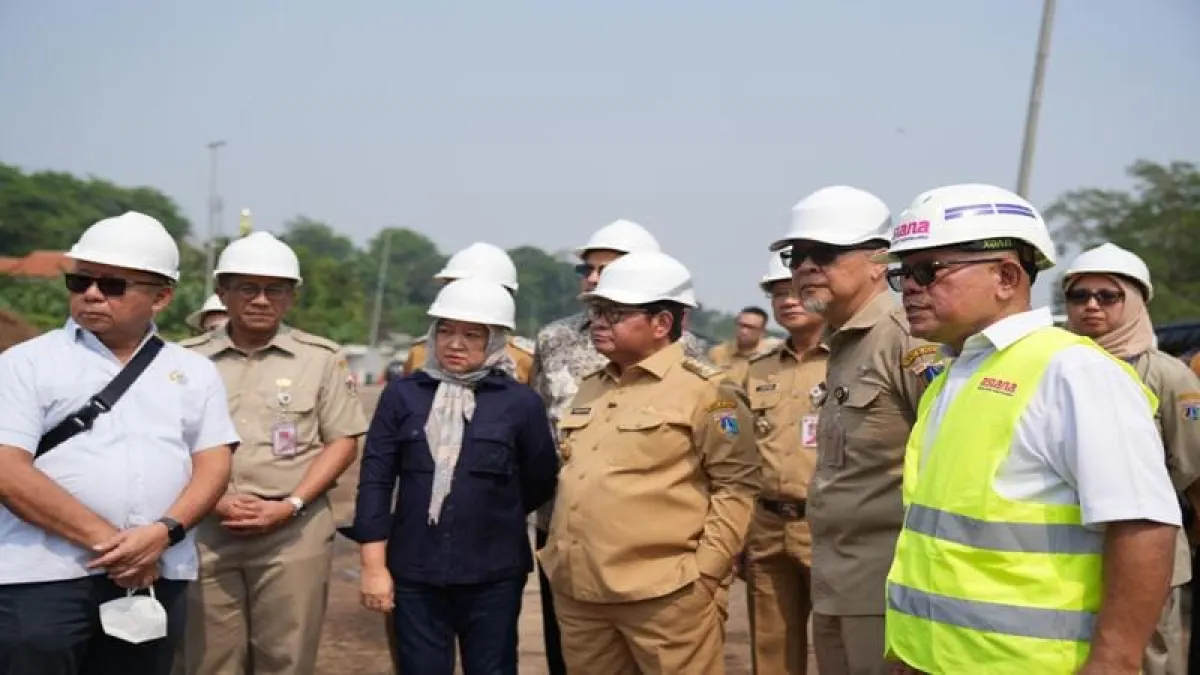
JAKARTA, GARISBUMI.com – TB Simatupang Waste Filter Facility (SSTBS), South Jakarta, has processed 17,920 tons of waste into compost and chopped wood or woodchips. This processing is part of an effort to deal with waste early before it is carried by the Ciliwung River to downstream areas and increases the burden on final processing sites.
Based on data from the DKI Jakarta Environmental Service (DLH), SSTBS handled a total of 32,677 tons of waste from August 2023 to 12 September 2026, with an average of around 30.2 tons per day. The waste comes from the Ciliwung stream and other waste service activities.
Of the amount that was successfully processed, 5,645 tons were in the form of compost and 12,275 tons were in the form of chopped wood. The results are used by the community, schools, sub-districts, farmer groups, government agencies, and the industrial sector.
DKI Jakarta Governor Pramono Anung inspected the facilities on Monday (5/10/2026). He emphasized the importance of handling waste from upstream to reduce accumulation downstream, including at the Manggarai Sluice Gate.
"From the Ciliwung River, almost 30 percent of the waste can be taken and processed here, mostly organic waste," said Pramono.
Waste is filtered, sorted and shredded
SSTBS functions to contain waste carried by river flows while processing materials that can still be used. Waste goes through a process of filtering, sorting and chopping before being processed according to its type and characteristics.
Apart from Ciliwung waste, this facility handles large waste and tree pruning results. This material can be processed into compost, chopped wood, or refuse-derived fuel (RDF).
Head of DLH DKI Jakarta Dudi Gardesi said that early treatment was needed, especially when Ciliwung's discharge increased during the rainy season.
"We contain and handle the trash early. So we don't wait for the trash to pile up downstream and then clean it up," said Dudi.
According to him, handling waste from water bodies helps maintain the smooth flow of rivers and supports the flood control system.
"In principle, waste that still has useful value should not immediately become residue. The more we can sort, process and reuse, the smaller the burden that must be sent to the Bantargebang TPST," he said.
Jakarta Plans Garbage Filters in 11 River Headwaters
Pramono said that Jakarta's waste management requires various facilities that complement each other. Apart from SSTBS, these facilities include a waste processing site with the principle of reducing, reusing and recycling or TPS 3R, RDF Plant Rorotan, RDF Bantargebang, as well as development of processing waste into electrical energy (PSEL).
Strengthening the facilities is aimed at changing the collect-transport-dispose pattern to sort-transport-process. With this approach, more material can be utilized before it becomes residue that is sent to the final processing site.
The DKI Jakarta Provincial Government is also planning to develop waste filtering facilities in 11 other upstream rivers. Collaboration with the business world and related parties is opened to optimize the utilization of processing results.
"What we are building is not just a waste filter, but a more complete management system. Waste is detained earlier, handled more quickly, processed and reused. That way, we can continue to reduce the residue that ultimately has to be thrown away," said Dudi.
Artikel ini merupakan siaran pers resmi yang diterbitkan melalui Meja Redaksi GARIS BUMI. Materi telah melalui peninjauan editorial untuk kenyamanan dan kejelasan informasi bagi pembaca.
Share Your Thoughts Editorial Moderation Required