PSEL Bogor Raya 1 Built with an Investment of IDR 2.8 Trillion, Processes 1,500 Tons of Waste per Day
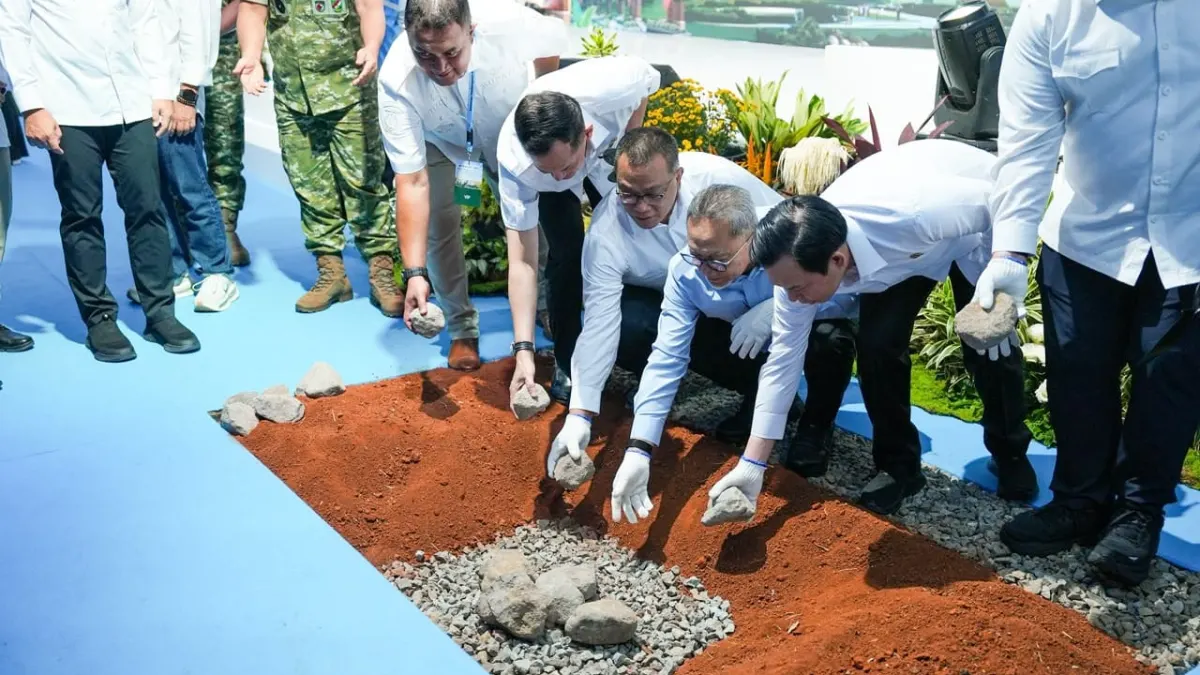
BOGOR, GARISBUMI.com – Construction of the Bogor Raya 1 Waste to Electrical Energy (PSEL) Processing facility officially started in Galuga Village, Cibungbulang District, Bogor Regency, Thursday, September 17 2026.
The National Strategic Project with an investment value of IDR 2.8 trillion is targeted to be able to process up to 1,500 tons of waste per day while producing electrical energy.
PSEL Bogor Raya 1 is planned to be completed in a maximum of two years and fully operational in mid-2028. This facility is projected to manage more than 500 thousand tons of waste every year.
The inauguration of the construction of PSEL Bogor Raya 1 was held by Danantara Indonesia together with a number of stakeholders and accompanied by the Ministry of the Environment/Environmental Control Agency (KLH/Environmental Management Agency (BPLH)).
Minister of the Environment/Head of Environmental Management Agency (BPLH) Moh Jumhur Hidayat reminded that the construction of these facilities should not neglect waste handling during the construction period.
"The problem is that from now until two years, the waste will continue. Especially organic waste which causes odors and so on, it will also continue," said Jumhur while attending the inauguration of the construction of PSEL Bogor Raya 1.
According to him, waste handling must continue to be carried out continuously until the facility is operational. Similar problems also need to be addressed in areas that do not yet have waste processing facilities into electrical energy.
KLH/Environmental Management Agency (BPLH) targets that waste management problems in various regions can be resolved in stages until 2029.
PSEL Bogor Raya 1 Reduces Landfill Emissions
Danantara Indonesia Chief Investment Officer Pandu Sjahrir said that PSEL Bogor Raya 1 was designed to have a real impact on the environment and the economy of the surrounding community.
Apart from managing more than 500 thousand tons of waste per year, the project is targeted to reduce emissions from final processing sites by up to 80 percent.
PSEL Bogor Raya 1 is also projected to reduce carbon emissions by around 640 thousand tons of carbon dioxide equivalent every year.
The facility will use moving grate incinerator technology equipped with an Air Pollution Control System or APCS. Emission control refers to the European Union Industrial Emissions Directive or EU IED standards.
The project was also accompanied by the signing of an Electricity Purchase and Sale Agreement with PT PLN (Persero).
Apart from being a waste processing facility, PSEL Bogor Raya 1 is projected to develop as a research, technology and innovation center for integrated waste management. The development is estimated to open up to 1,200 green jobs for local communities.
PSEL Regulations Trimmed
Coordinating Minister for Food Zulkifli Hasan assesses that the waste problem has become an emergency situation that requires immediate handling.
To speed up the construction of waste processing facilities into electrical energy, the government has cut regulations that previously consisted of around 160 rules to three rules.
It is hoped that the simplification of regulations will speed up project implementation so that the benefits can be immediately felt by the community.
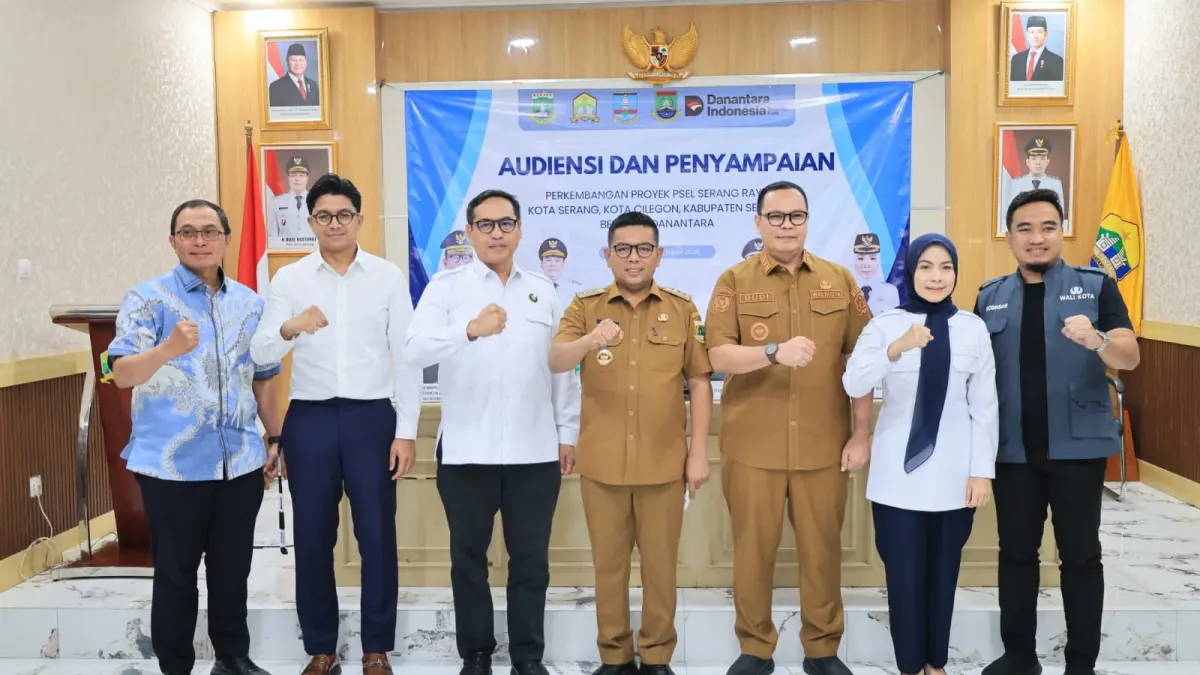
PSEL Bogor Raya 1 is part of the National Strategic Project based on Presidential Regulation Number 109 of 2025.
Hundreds of Regions Still Facing Waste Problems
Jumhur said that the PSEL project currently only reaches around 60 districts and cities in Indonesia. Meanwhile, around 470 other districts and cities still require serious waste handling and management.
The government opens up opportunities to use various waste processing technologies that can be adapted to the characteristics and needs of each region.
Waste management does not always have to be directed towards generating electricity. Various other technologies can be applied, especially for facilities with capacities below 1,000 tons per day.
"We welcome various technologies. They don't have to be electricity, but can be pyrolysis, diesel, RDF, green coal, pelletizing like coal, and so on," said Jumhur.
This approach is considered important because the volume, composition of waste, land availability and financing capabilities of each region are different.
Sorting Waste from Home Remains Key
The presence of PSEL Bogor Raya 1 is expected to help reduce urban waste accumulation in the Bogor area and its surroundings. However, KLH/Environmental Management Agency (BPLH) reminded that solving the national waste problem cannot only rely on downstream processing facilities.
Efforts to reduce waste from the source still need to be strengthened through sorting household waste, activating waste banks, reusing items that are still suitable, and limiting single-use waste.
Community participation is the key so that high-tech processing facilities do not simply move the waste problem from the final processing site to the incineration facility.
Management from upstream to downstream is needed to build a cleaner, safer and more sustainable waste system.
Artikel ini merupakan siaran pers resmi yang diterbitkan melalui Meja Redaksi GARIS BUMI. Materi telah melalui peninjauan editorial untuk kenyamanan dan kejelasan informasi bagi pembaca.
Share Your Thoughts Editorial Moderation Required