KKP Targets Marine Protected Areas to Reach 97.5 Million Hectares
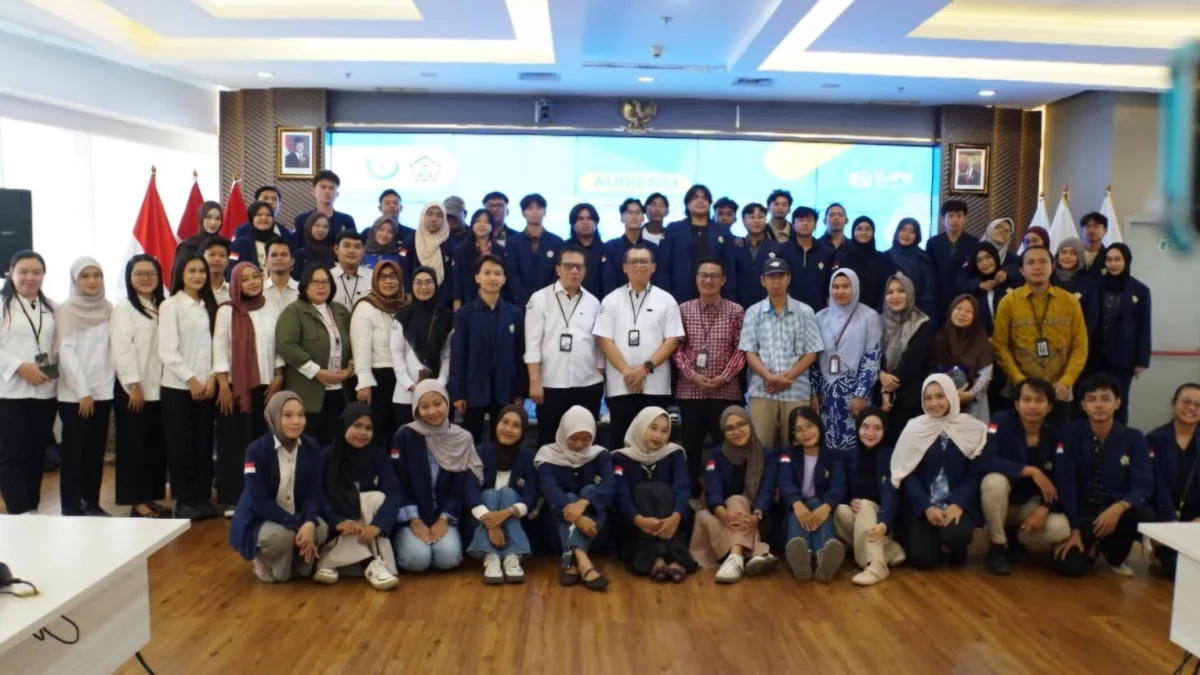
JAKARTA, GARISBUMI.com – Bengkulu University Marine Science students are invited to be involved in conservation research, blue carbon, coastal management and blue economy development.
The Ministry of Maritime Affairs and Fisheries targets conservation areas to reach 30 percent of Indonesia's marine area or around 97.5 million hectares by 2045. By 2025, marine areas that have been designated as conservation areas will reach around 30.9 million hectares.
This target was introduced to students of the Marine Science Study Program, Faculty of Agriculture, Bengkulu University during an audience and educational visit at the Mina Bahari IV Building, Jakarta, Wednesday, September 2 2026.
A total of 45 students and six accompanying lecturers took part in activities that discussed marine resource management, ecosystem conservation, blue economy, blue carbon, as well as research and career development opportunities in the marine sector.
Secretary of the Directorate General of Maritime Management, KKP, Miftahul Huda, said that marine management must be able to maintain the ecosystem while providing economic benefits to the community.
“Our challenge in the marine sector is to combine two things: maintaining the sustainability of ecosystems and the species within them, while encouraging these resources to provide economic value for society,” said Miftahul.
According to him, the Directorate General of Marine Management carries out a number of programs which include ecosystem conservation, protection of species and genetic resources, management of coasts and small islands, development of marine services, and sustainable use of marine resources.
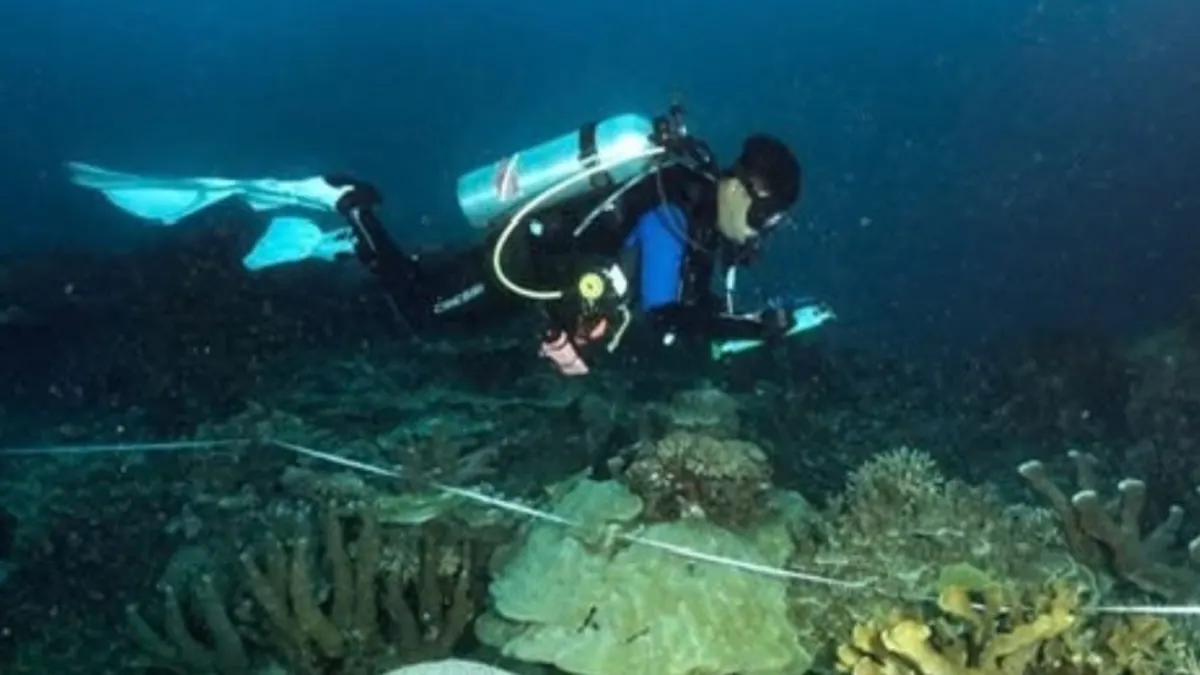
Students also received an explanation about the potential of blue carbon. This carbon is stored in coastal and marine ecosystems, including mangroves and seagrass beds, which have an important role in absorbing and storing carbon emissions.
Apart from conservation and blue carbon, KKP introduces the use of marine biological resources to support the development of biopharmacology. This field opens up research opportunities regarding the use of marine organisms in the development of medicinal ingredients and health products.
KKP also offers collaboration space for students through final project research and internship programs within ministries and technical implementation units. This opportunity can be utilized according to the applicable mechanisms and requirements.
Head of the Marine Science Study Program at Bengkulu University, Yar Johan, said that the visit was part of the mandatory course field activities. Students are expected to not only understand theory, but also see firsthand the implementation of marine resource management and policy.
“We hope that our children will gain knowledge, experience and direct guidance through today's field trip,” said Yar Johan.
He hopes that the meeting can open wider collaboration between Bengkulu University and KKP, especially in research and management of marine resources.
In this activity, students also received an explanation about the National Salt Industrial Center Area or K-SIGN in Rote Ndao, East Nusa Tenggara. The area was developed to support salt self-sufficiency as well as open up research opportunities in the marine sector.
Discussions also included monitoring and controlling coastal areas and small islands, protecting endangered aquatic biota, managing conservation areas, as well as strengthening research collaboration between the government and universities.
It is hoped that this collaboration will produce human resources who understand the relationship between ecosystem protection and utilization of marine economic potential. The involvement of students and universities is considered important to strengthen marine policies based on science, innovation and the needs of coastal communities.
Share Your Thoughts Editorial Moderation Required