Losida Village, Pontianak Processes Organic Waste with Special Pots for Peat Land
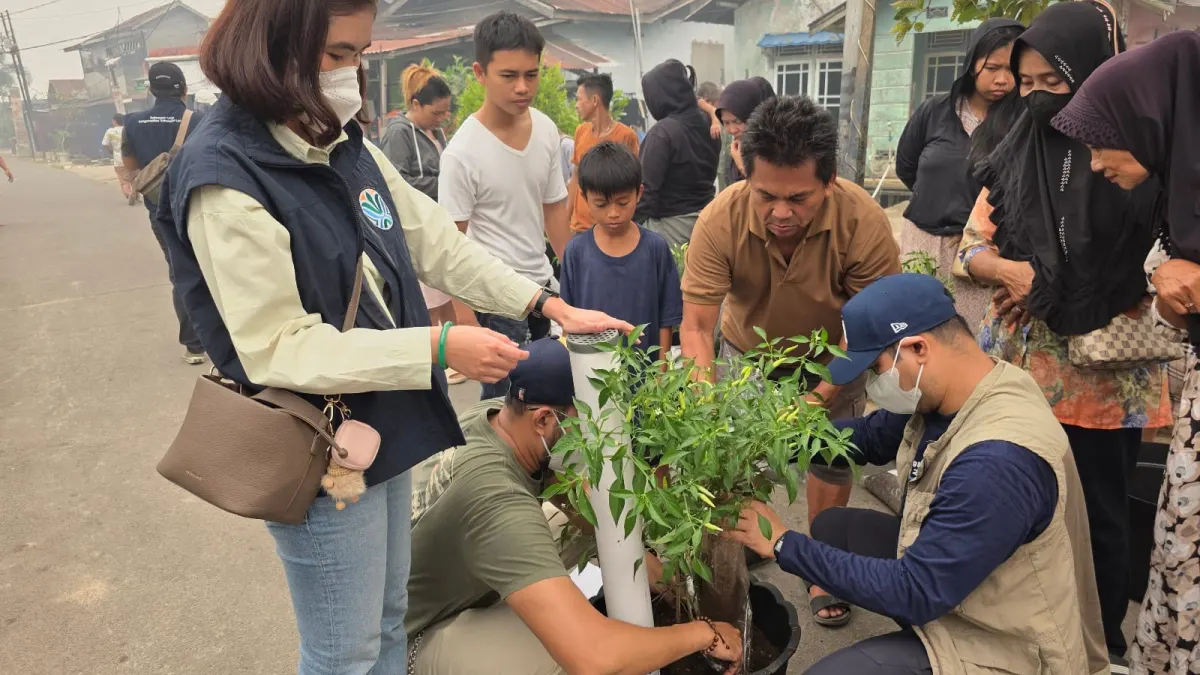
PONTIANAK, GARISBUMI.com – The Ministry of the Environment/Environmental Control Agency (KLH/Environmental Management Agency (BPLH)) is developing the Yuka Complex, Sungai Beliung Village, Pontianak City, West Kalimantan (Kalbar), into Losida Village. This program encourages residents to process household organic waste independently using Kitchen Waste Lodong or Losida pots.
The Kampung Losida program was launched through technical guidance at the Edelweis Integrated Waste Management Site (TPST), Saturday, September 12 2026. This activity was attended by residents from three community units in the Yuka Complex.
Through the Kalimantan Environmental Control Center (Pusdal LH), KLH/Environmental Management Agency (BPLH) distributed 50 pots of Losida to 50 heads of families. Beneficiary residents will receive assistance for three months from the Community Reform Movement (Gaharu) and the Green Community Forum (FKH).
Losida Pots Adapted to peatland ecosystem Conditions
Head of Region III Pusdal LH Kalimantan, Buyung Yusuf Wibisono, explained that the use of Losida pots was chosen because Pontianak's geographical conditions are dominated by peatlands and are prone to waterlogging.
According to him, the conventional Losida method which uses pipes and is planted directly into the ground is not suitable for application in this area.
"Traditional Losida or pipes planted in the ground are not suitable for application in Pontianak, which has peat and is prone to waterlogging because it can pollute the water. Modifying it into a Losida pot is an innovative solution so that the environment is maintained and the compost does not get wet or damaged," said Buyung.
The Losida Pot is used to collect and process food scraps and kitchen waste into compost. With this method, organic waste can be handled directly from home before being disposed of at the final processing site.
Reduce waste to Batu Layang landfill
The formation of Losida Village is also aimed at reducing the volume of waste entering the Batu Layang landfill. Based on data from the National Waste Management Information System (SIPSN), Pontianak City's waste generation in 2025 will reach around 489 tons per day.
Buyung said organic waste mixed and piled up in landfills not only adds to the management burden, but can also produce methane gas which increases the risk of fire.
"Mixed and piled organic waste has the potential to increase the risk of fires in landfills. Fires are triggered by methane gas produced from the decomposition of piles of organic waste. This year, 22 landfills in Indonesia were recorded as burning," he said.
Before the Kampung Losida program was launched, 41 residents of the Yuka Complex had been active in sorting inorganic waste and channeling it through the waste bank. The presence of the Losida pot completes household waste management by handling organic waste from the source.
Through collaboration between the government, community and residents, it is hoped that Losida Village Yuka Complex will become an example of organic waste management that is appropriate to the characteristics of peatlands. This program also has the potential to be replicated in other areas that face similar environmental problems.
Share Your Thoughts Editorial Moderation Required