Five Regions in East Java Become Pilots for Circular Economy and Waste Management
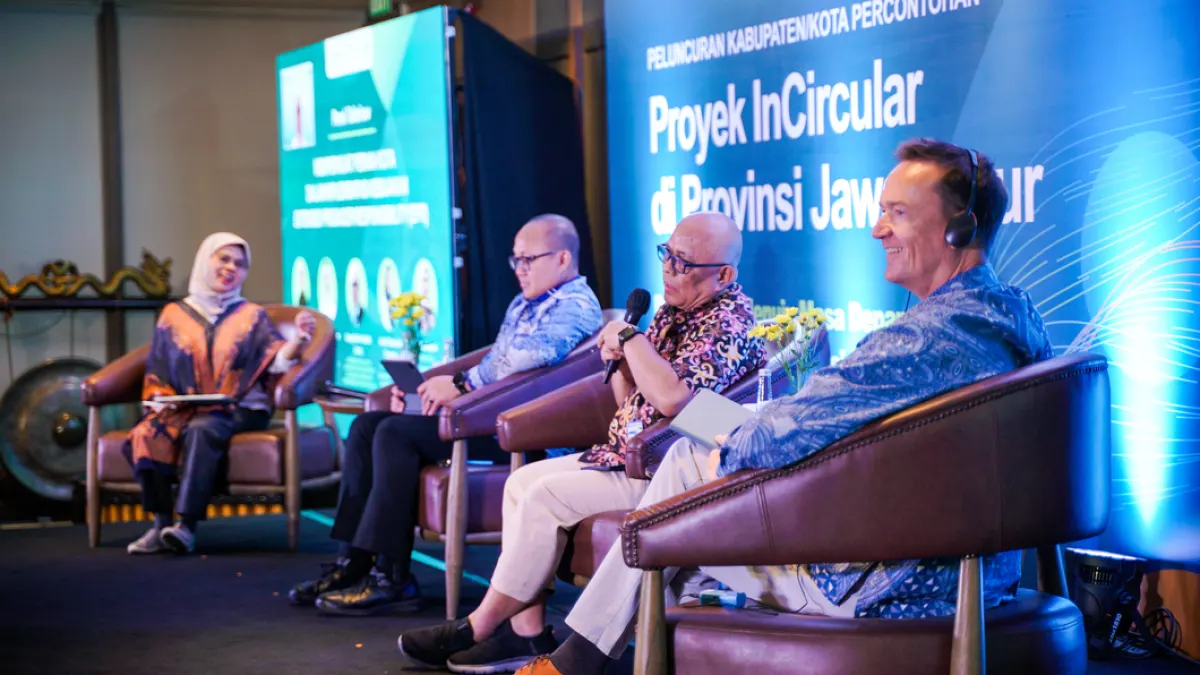
East Java's Waste Reaches 4.34 Million Tons Per Year
Strengthening the waste management system is an urgent need in East Java. Based on data from the National Waste Management Information System (SIPSN) 2024, waste generation in the province reaches around 4.34 million tons per year.
Meanwhile, SIPSN data in the Ministry of Environment and Forestry (KLH) and Forestry's Performance Report notes that plastic waste contributes around 19 percent of the composition of national waste in 2023.
The large amount of waste generation shows the need and opportunity to strengthen comprehensive resource management, from production and consumption processes to reuse and recycling of materials.
Director of Urban Development Cluster GIZ Indonesia & ASEAN, Thomas Foerch, said that the waste problem has a direct impact on people's lives so it requires a systemic and collaborative solution.
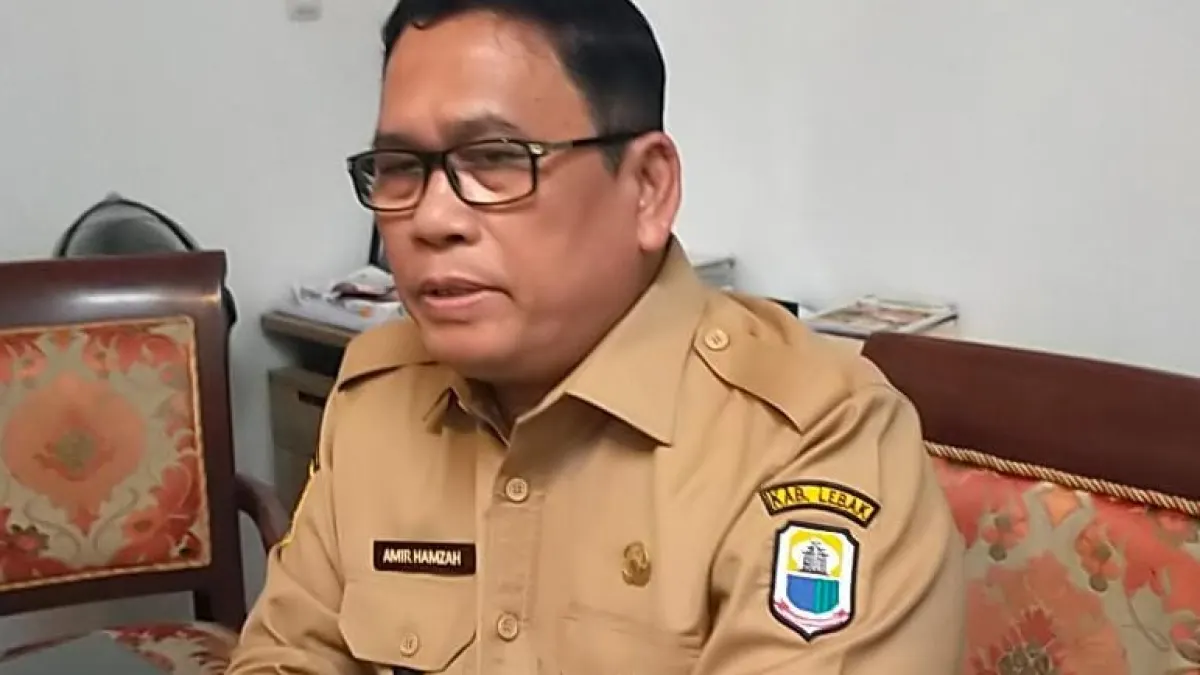
"Strong partnerships are the foundation for driving real change and delivering long-impact solutions," he said.
Thomas explained that the German Government's support through GIZ Indonesia & ASEAN is part of the cooperation between Indonesia and Germany which has been going on for 50 years. In recent years, the circular economy and waste management have become one of the priority sectors for cooperation between the two countries.
"The InCircular project was developed from the need to strengthen the implementation of Indonesia's Circular Economy Roadmap. Therefore, we welcome the five cities and districts that are taking steps together to be involved as pilot areas," he said.
Artikel ini merupakan siaran pers resmi yang diterbitkan melalui Meja Redaksi GARIS BUMI. Materi telah melalui peninjauan editorial untuk kenyamanan dan kejelasan informasi bagi pembaca.
Share Your Thoughts Editorial Moderation Required