Five Regions in East Java Become Pilots for Circular Economy and Waste Management
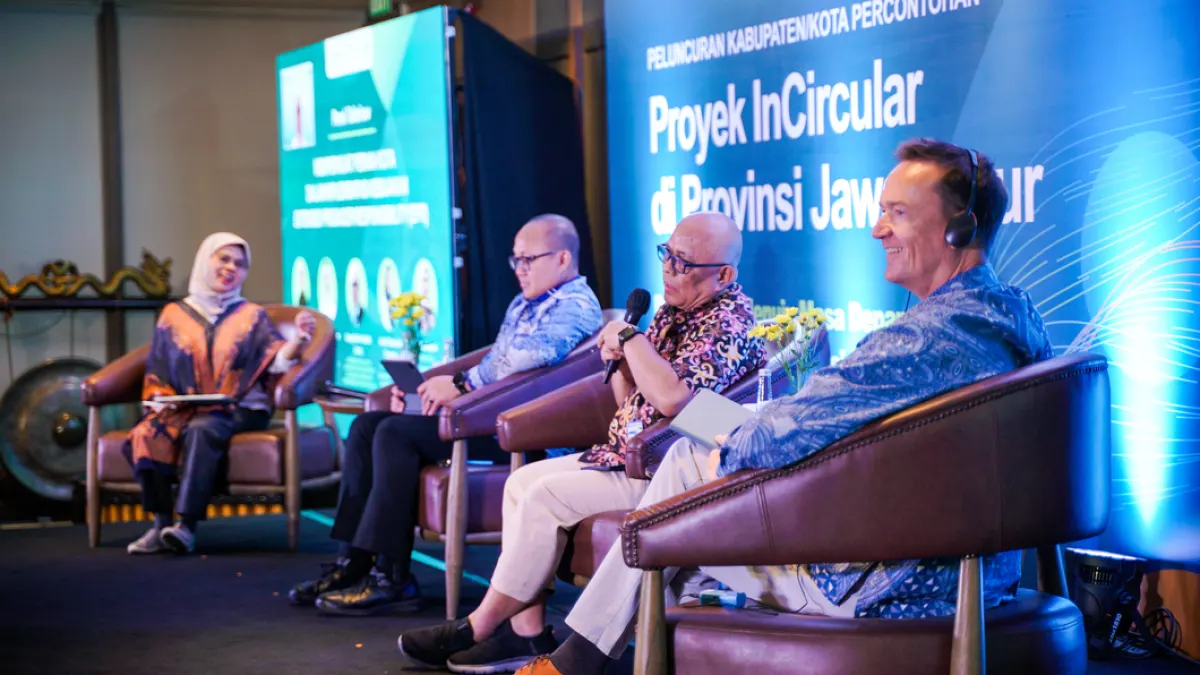
"The circular economy is not only related to waste management, but also how resources are used more efficiently, products and materials retain their value as long as possible, and new economic opportunities can be created through cross-sector collaboration," said Leonardo in Surabaya, Tuesday (15/9/2026).
Five Regions Will Test Circular Economy Model
Carrying the spirit of "From the Regions, Towards an Indonesian Circular Economy", five pilot regions will identify problems, test various approaches, build partnerships, and formulate lessons to strengthen the implementation of a circular economy.
Implementation involves the central government, regional governments, development partners, the private sector, academics and community organizations.
It is hoped that this cross-sector collaboration will be able to turn the waste problem into an opportunity that produces sustainable economic, social and environmental benefits.
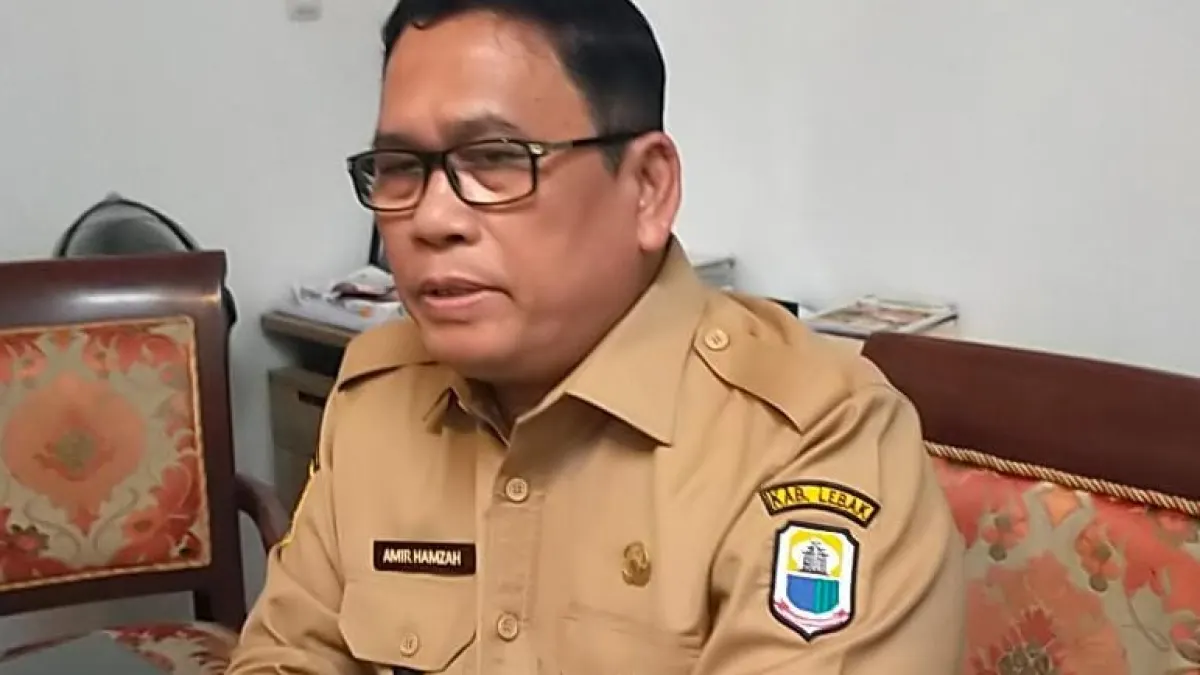
Deputy Governor of East Java, Emil Elestianto Dardak, said that the selection of East Java as the working area for the InCircular Project was both a matter of trust and a strategic opportunity.
"Through a circular economy, we encourage more efficient use of resources, reduce waste generation at the source, and strengthen reuse and recycling," said Emil.
According to him, the circular economy approach will strengthen the transformation of regional development towards more efficient, low-waste and sustainable resource use.
Artikel ini merupakan siaran pers resmi yang diterbitkan melalui Meja Redaksi GARIS BUMI. Materi telah melalui peninjauan editorial untuk kenyamanan dan kejelasan informasi bagi pembaca.
Share Your Thoughts Editorial Moderation Required