
Abundant Plastic Waste, Indonesian Recycling Industry Still Imports Raw Materials
New Recycling Capacity Used 48 Percent
Indonesia has 227 recycling companies with an installed capacity of 3.16 million tons per year. However, the capacity utilization rate is only around 48 percent.
This condition shows the gap between the amount of plastic waste generation and the availability of raw materials that meet industry standards.
Most of the plastic waste has not been sorted from the source. Garbage is also often mixed with food waste and other materials so that the quality decreases and cannot be used directly as recycling raw materials.
As a result, the industry faces a shortage of quality materials despite millions of tonnes of plastic waste being generated every year.
Three Barriers to the Plastic Recycling Industry
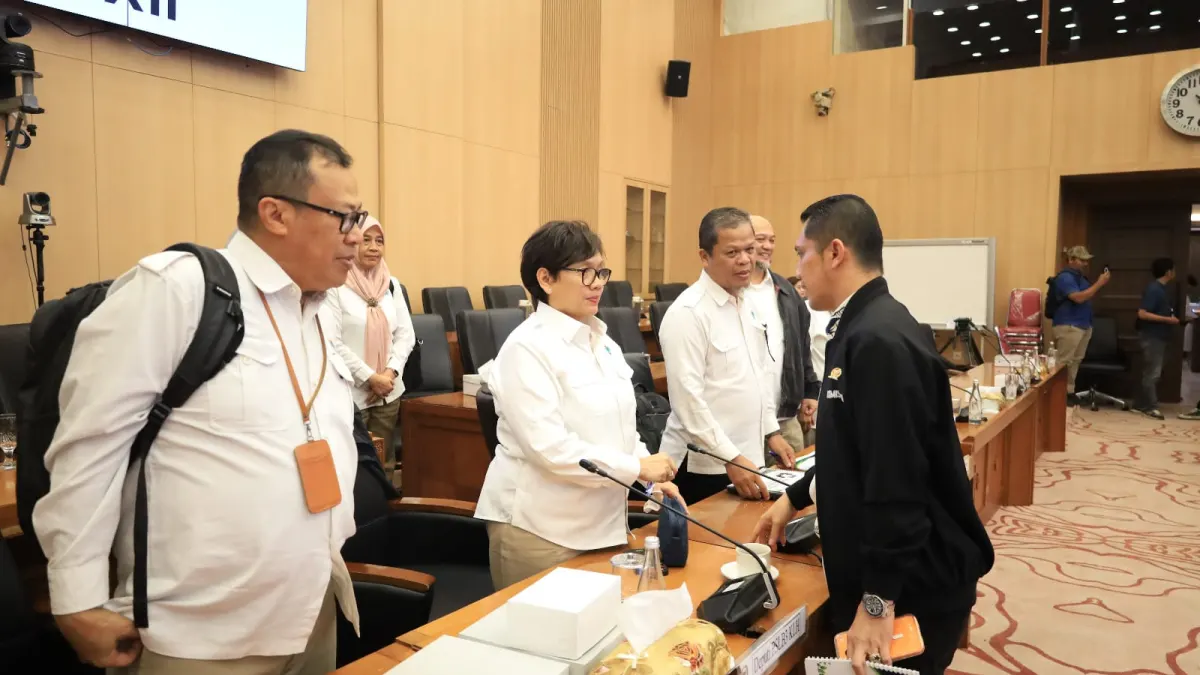
KLH/Environmental Management Agency (BPLH) identified at least three structural obstacles that are still hampering the strengthening of the national plastic recycling industry.
First, Indonesia does not yet have national quality standards that are binding for recycled plastic raw materials and are in line with industry needs.
Second, economic instruments are not yet strong enough to make recycled materials able to compete with new plastic or virgin plastic.
Artikel ini merupakan siaran pers resmi yang diterbitkan melalui Meja Redaksi GARIS BUMI. Materi telah melalui peninjauan editorial untuk kenyamanan dan kejelasan informasi bagi pembaca.
Share Your Thoughts Editorial Moderation Required