
Young Mountains that Never Silent
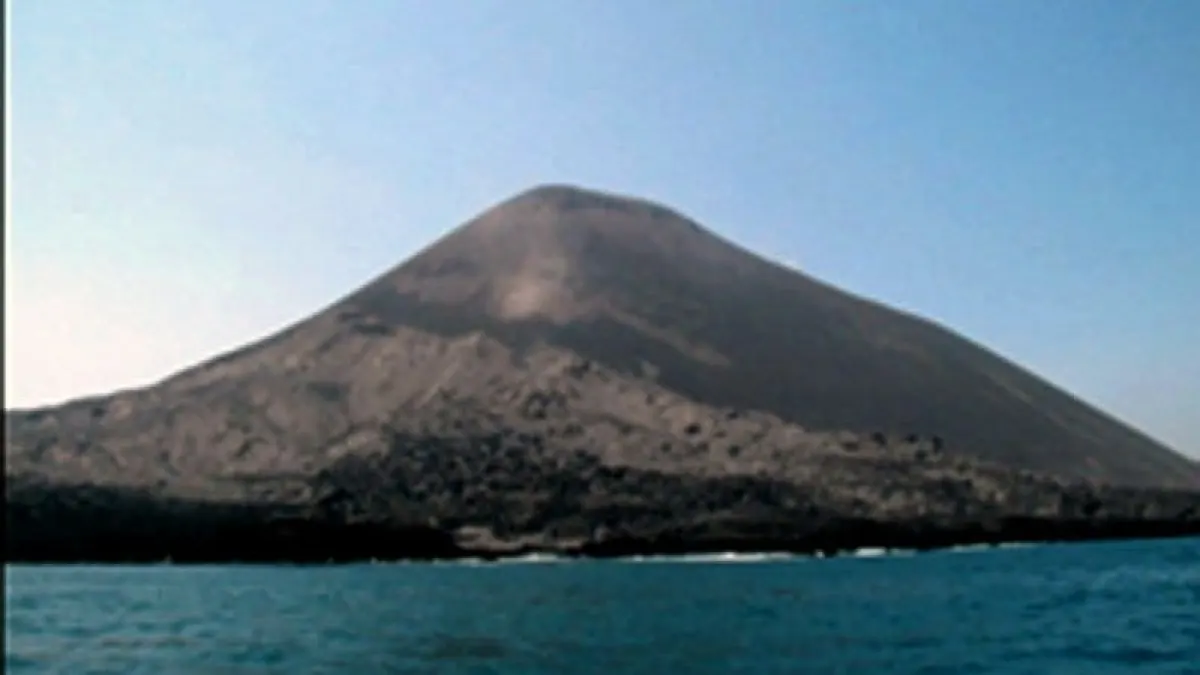
Anak Krakatau's resting time was recorded as between one and eight years. Sometimes it looks calm, then returns to spewing ash, sand, glowing rock and lava.
Between November 1992 and June 2001, activities took place almost every day. In certain periods, eruptions occur almost every 15 minutes.
It is difficult to imagine that life could grow under such circumstances. But plants always try again.
After the eruption subsides, reeds appear on the newly cooled ground. Sea cypress grows on the eastern slopes. Beach plants creep across the sand. Birds and insects come to bring life.
Then the volcano erupted again.
Ash covers the leaves. Sand fills the surface of the soil. Lava cuts off the path of plants that are starting to form. Life retreats, waits, then returns when things are calmer.
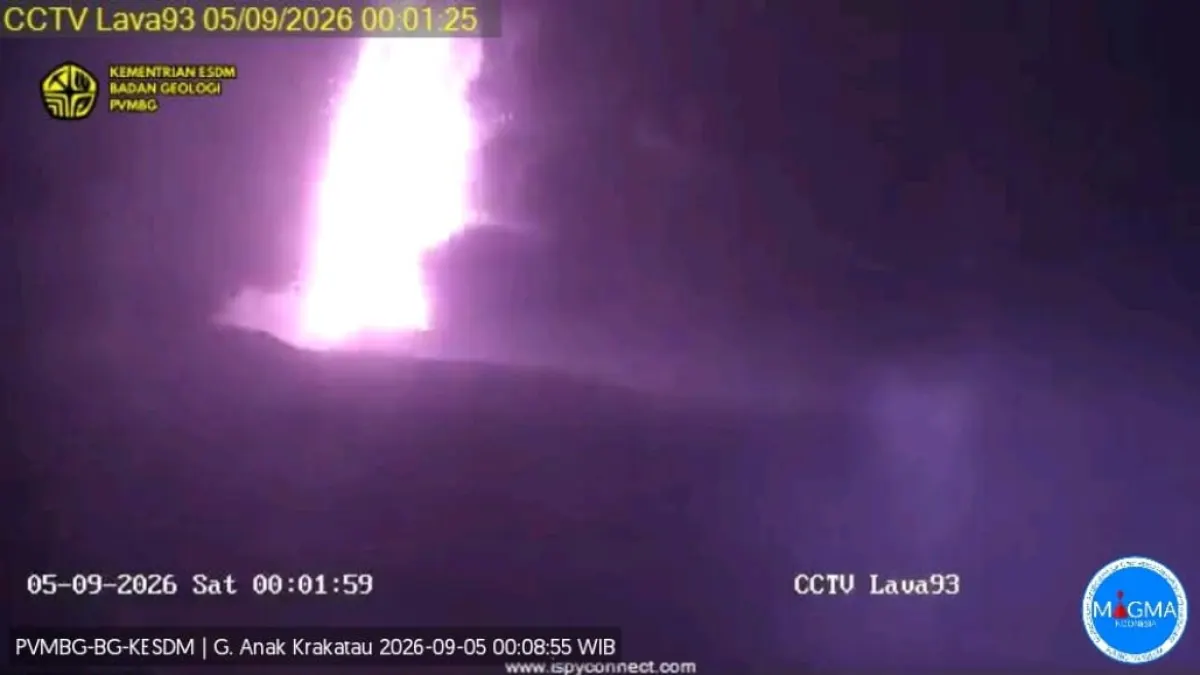
So it went on for years.
There are no residents living on the island. Those who come are usually researchers, monitoring officers, or visitors. They stepped on land that was geologically still very young, while realizing that the ground beneath their feet was the result of an eruption that had recently frozen.
Officers observed Anak Krakatau from the Pasauran Post in Banten and the Hargo Pancuran Post in Lampung. They recorded the earthquake, the height of the ash column, the direction of the wind, the ejection of material, and changes in the shape of the crater.
Share Your Thoughts Editorial Moderation Required