
When Emil Salim Brings the Environment to the Heart of Development
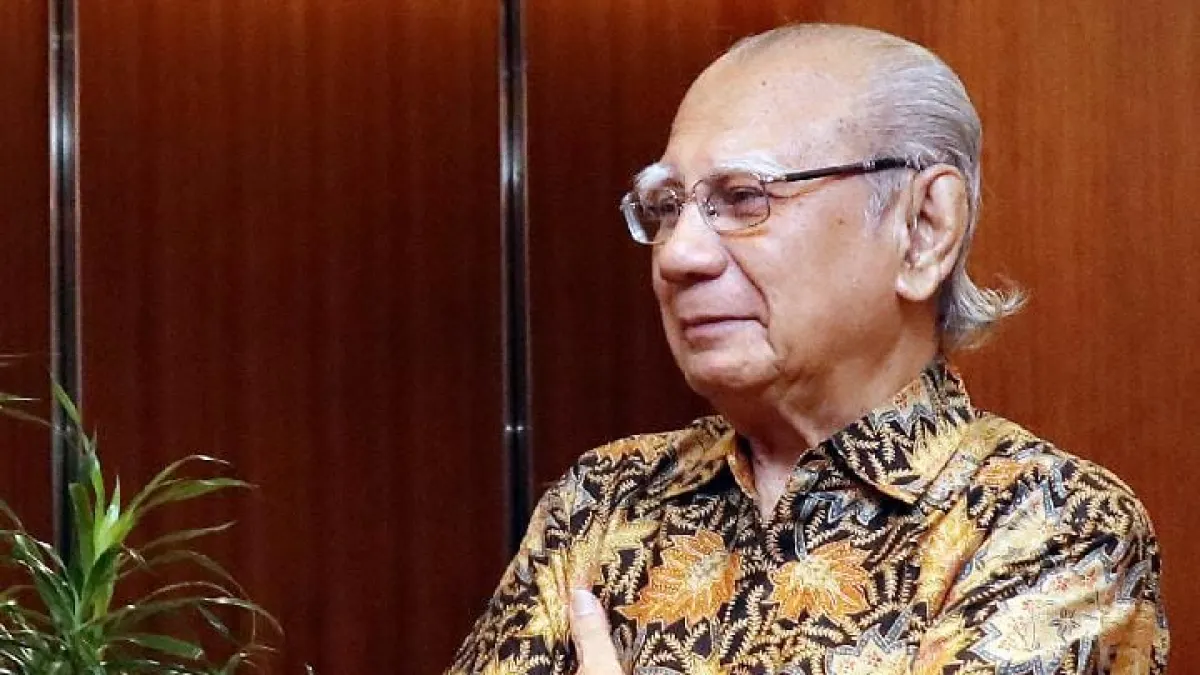
Therefore, the environment must be discussed since a project is still on the planning table.
This point of view is not always easy to accept. Each sector has its own targets. Industry pursues production, mining pursues mining results, public works builds infrastructure, while regions need investment and employment opportunities.
In the midst of these various interests, environmental matters are easily seen as an obstacle.
Emil Salim actually saw it from the opposite direction. Protecting the environment does not mean stopping development. Nature protection is needed so that the results of development are not used up to pay for floods, pollution, land conflicts, water crises and damage to public health.
Polluted rivers don't stop at the boundaries of a factory. Forest destruction can trigger floods and landslides far from logging sites. Mining waste can also move with water flows and affect the lives of people in other areas.
That is why environmental problems cannot be solved by one ministry alone.
Emil encourages a cross-sector approach and involves universities and community groups. Scientific knowledge is needed to read the impacts of development. Meanwhile, residents need to be heard because they are the ones who live closest to environmental changes on the ground.
The government has authority. Academics have knowledge. Business actors control economic activities. However, communities are often the first to notice when the water begins to change, the fish disappear, the air deteriorates, or the land no longer produces fruit.
Share Your Thoughts Editorial Moderation Required