Waste Turns into Savings for Joglo Residents, Mandiri Waste Bank Survives Nearly 13 Years
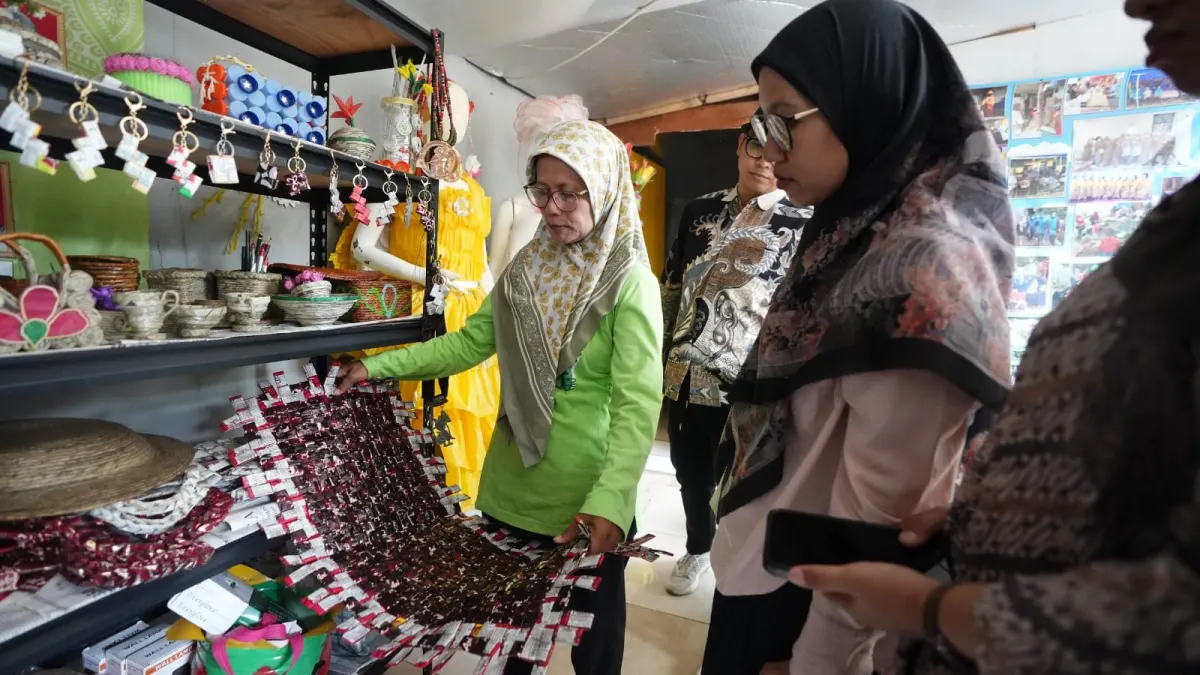
At the start, the number of customers was only 10 people. The journey was also hampered until operational activities stopped for about a year.
Marini and the management then returned to developing waste bank activities. The scope is increasing, from organic and inorganic waste management to maggot cultivation, urban farming, eco-enzyme production, and youth empowerment.
This experience shows that sustainable waste management at the community level requires continuous management and community participation.
Accepts plastic and leftover food
Head of Joglo Village, Rizky Denni Ananda, said that the ability to accept organic and inorganic waste is one of the advantages of the Berdikari Waste Bank.
Apart from plastic and cardboard, the waste bank accepts leftover vegetables, food and fruit for processing. With this coverage, its waste management services cover various types of household waste.
"My hope is that in the future it can spread to all areas in Joglo. Then, the management can be maintained and the service can be further improved," said Rizky.
Artikel ini merupakan siaran pers resmi yang diterbitkan melalui Meja Redaksi GARIS BUMI. Materi telah melalui peninjauan editorial untuk kenyamanan dan kejelasan informasi bagi pembaca.
Share Your Thoughts Editorial Moderation Required