Recognition of Customary Forests in Java is Constrained by Regional Boundaries and Legality
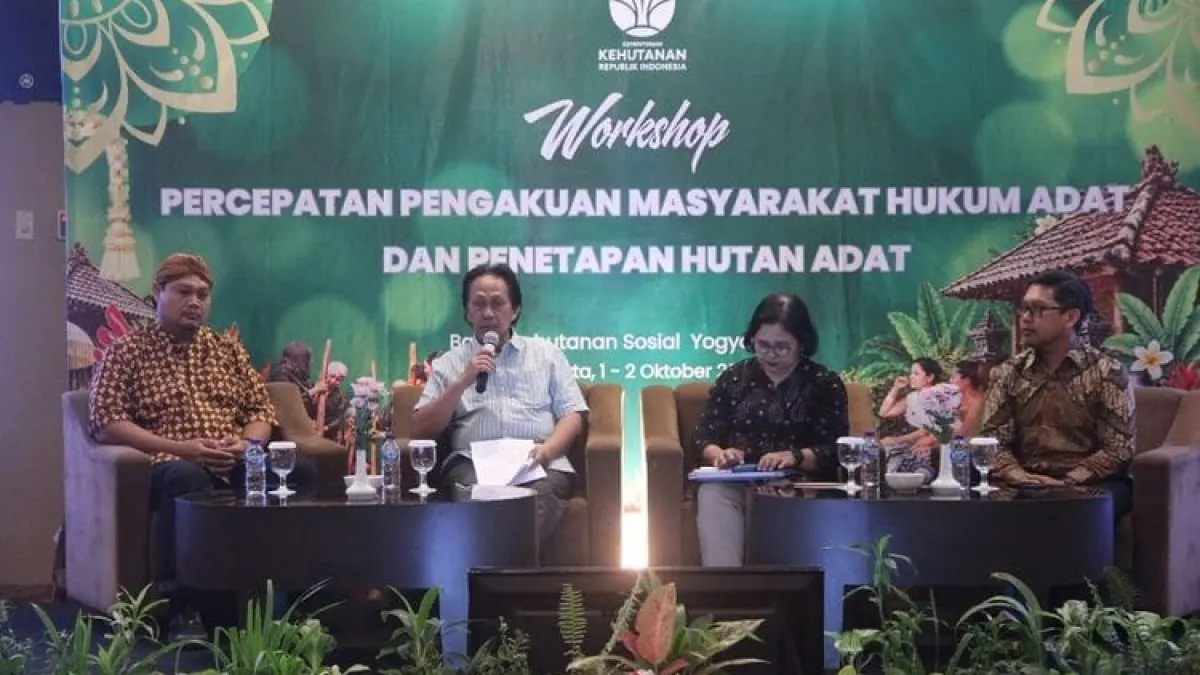
Meanwhile, Mount Sagara and Bonokeling still need to strengthen legality and resolve regional issues.
In East Java, the Osing, Tengger and Samin communities also face their own challenges. In the Osing community, understanding between stakeholders still needs to be strengthened to support the protection and recognition of customary law communities.
The Tengger community has formed a customary law community committee. The Samin community still needs further outreach regarding the provisions for recognition.
These differences in conditions emphasize the importance of assistance that suits the community's needs, starting from understanding procedures, strengthening documents, to resolving regional boundaries.
Local Governments Encouraged to Follow Up
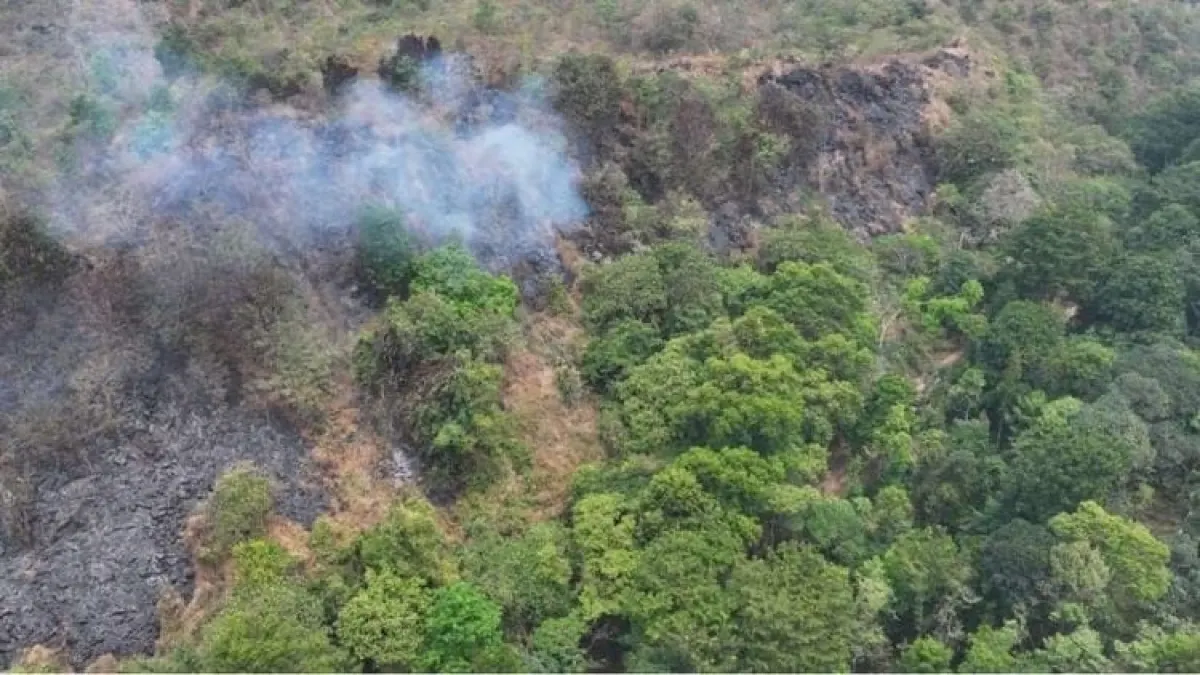
The workshop formulated a number of further steps, including solving regional problems, strengthening documents recognizing customary law communities, mapping customary territories, as well as coordinating central and regional governments.
The parties are also encouraged to prepare a clear follow-up schedule. Issues that have been noted in the follow-up matrix need to be worked on immediately and coordinated so that the recognition process continues to move forward.
Regional government institutional support is an important factor. The experience of Central Java through the Social Forestry Acceleration Working Group and the Jalawastu recognition process were also discussed as lessons learned.
Artikel ini merupakan siaran pers resmi yang diterbitkan melalui Meja Redaksi GARIS BUMI. Materi telah melalui peninjauan editorial untuk kenyamanan dan kejelasan informasi bagi pembaca.
Share Your Thoughts Editorial Moderation Required