
carbon trading Opens Economic Opportunities for Forest Residents, Approval Exceeds 31.7 Million Tons
YOGYAKARTA, GARISBUMI.com – carbon trading is an opportunity to expand the economic benefits of forests for society. The Ministry of Forestry said that approval for carbon units that meet the requirements for issuing international carbon certificates through the non-SPE-GRK scheme has covered a volume of more than 31.7 million tonnes of carbon dioxide equivalent (CO₂e).
This coverage consists of three forest utilization business licensing (PBPH) carbon units and one social forestry carbon unit in the form of village forests in Jambi Province. The village forest carbon unit involves more than 900 family heads.
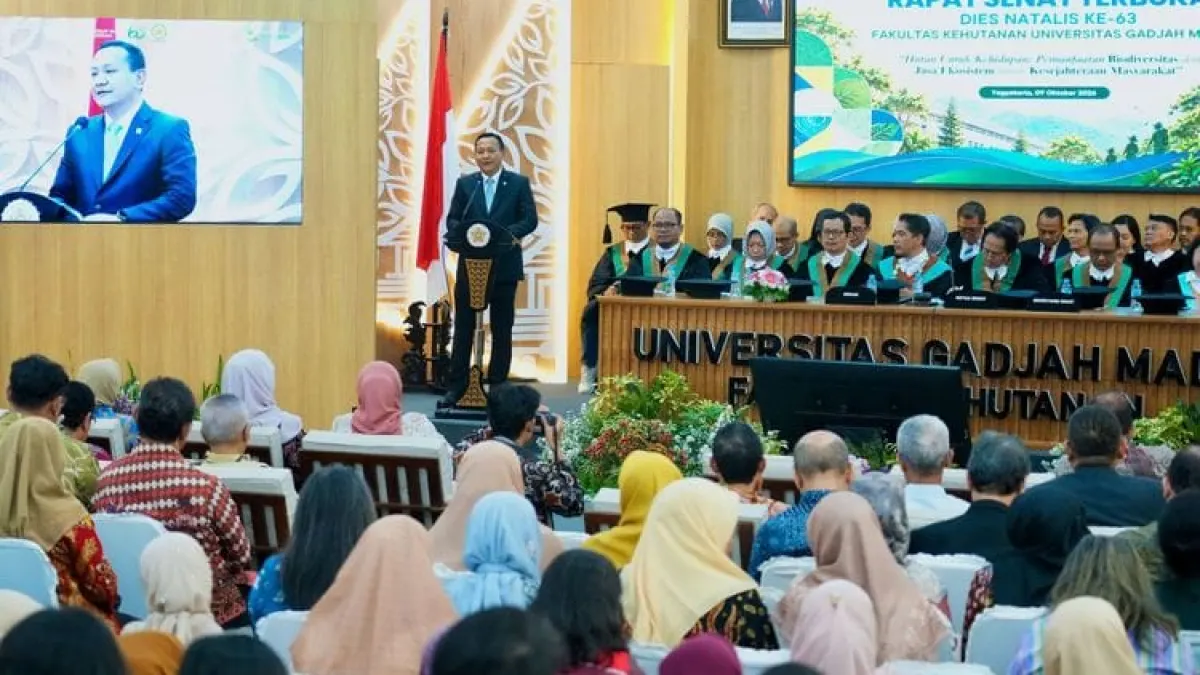
Deputy Minister of Forestry Rohmat Marzuki said that developing the economic value of carbon is part of the transformation of the forestry economy. The aim is for forest conservation to provide real, measurable and tangible benefits to the surrounding community.
This message was conveyed at the 63rd Anniversary Open Senate Meeting of the Faculty of Forestry, Gadjah Mada University (UGM) in Yogyakarta, Friday (9/10/2026). This activity has the theme "Utilization of Biodiversity and Ecosystem Services for Community Welfare".
"Our job is not just to protect forests. Our job is to make the sustainable value of forests visible, measurable and payable, as well as making local communities more prosperous," said Rohmat.
According to him, forests will be better protected if sustainable management is able to provide greater economic benefits than forest destruction or conversion. Therefore, the development of a forestry economy needs to respect all the potential in a natural landscape.
This potential includes timber forest products, non-timber forest products, biodiversity and ecosystem services. Forests, peatlands and mangroves, for example, absorb and store carbon while maintaining ecological functions that support people's lives.
Rohmat explained that the government continues to strengthen the carbon trading policy framework in the forestry sector. The basis for this includes Presidential Regulation Number 110 of 2025 concerning Implementation of Carbon Economic Value Instruments and Control of Greenhouse Gas Emissions, which is followed up by Minister of Forestry Regulation Number 6 of 2026 concerning Procedures for carbon trading in the Forestry Sector.
According to the presentation, this policy opens up opportunities for carbon trading, including through the voluntary carbon market. The private sector, Social Forestry Business Groups (KUPS), community forest farmers and customary law communities can access the scheme according to the provisions.
With strong governance and maintained environmental integrity, carbon trading is expected to open up financing for protection, restoration and sustainable forest management.
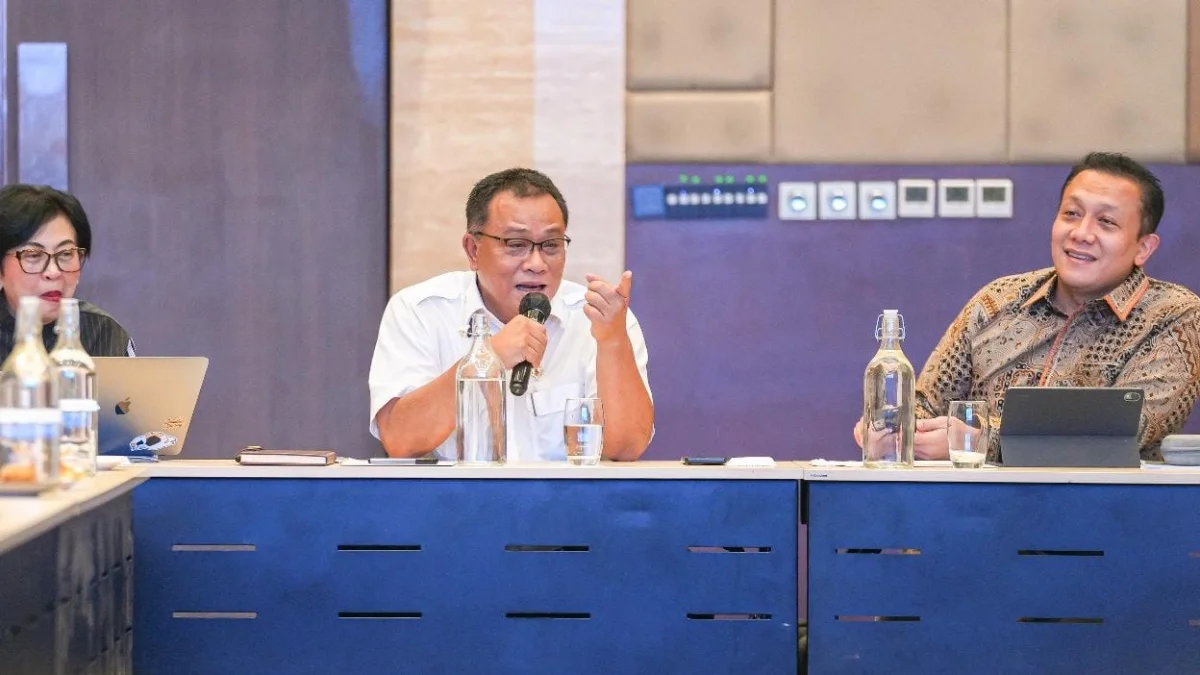
Apart from carbon, Rohmat highlighted the economic opportunities from non-timber forest products, such as essential oils, honey and medicinal plants. Other potential includes agroforestry, ecotourism, bioprospecting, and various environmental services.
The development of diverse sources of income is expected to expand economic benefits for residents around the forest while protecting the ecosystem. Wood commodities remain part of the forestry economy, alongside other sources of value that are managed sustainably and can be traced.
Rohmat also emphasized that forests have social and cultural functions, in addition to economic and ecological functions. Its role includes maintaining water management, controlling disaster risks, absorbing carbon and preserving biodiversity.
To support this transformation, the Ministry of Forestry needs collaboration with universities, including the Faculty of Forestry UGM and its alumni.
Rohmat appreciated the faculty's contribution to forest and land rehabilitation in Wanagama, agroforestry development, social forestry management models, and intensive silviculture. He also highlighted the use of drones for forest rehabilitation and bioacoustic technology to detect the presence of elephants.
This collaboration is expected to accelerate the implementation of nature-based solutions with the support of science and technology, while connecting research results with forest management needs in the field.
Artikel ini merupakan siaran pers resmi yang diterbitkan melalui Meja Redaksi GARIS BUMI. Materi telah melalui peninjauan editorial untuk kenyamanan dan kejelasan informasi bagi pembaca.
Share Your Thoughts Editorial Moderation Required