
Domestic Financing Encouraged to Support Indonesia's Energy Transition
JAKARTA, GARISBUMI.com – Indonesia's Climate Policy Initiative encourages increased domestic financing to accelerate the energy transition. Domestic capital is considered important because the economic benefits of transitioning to clean energy will return to Indonesia.
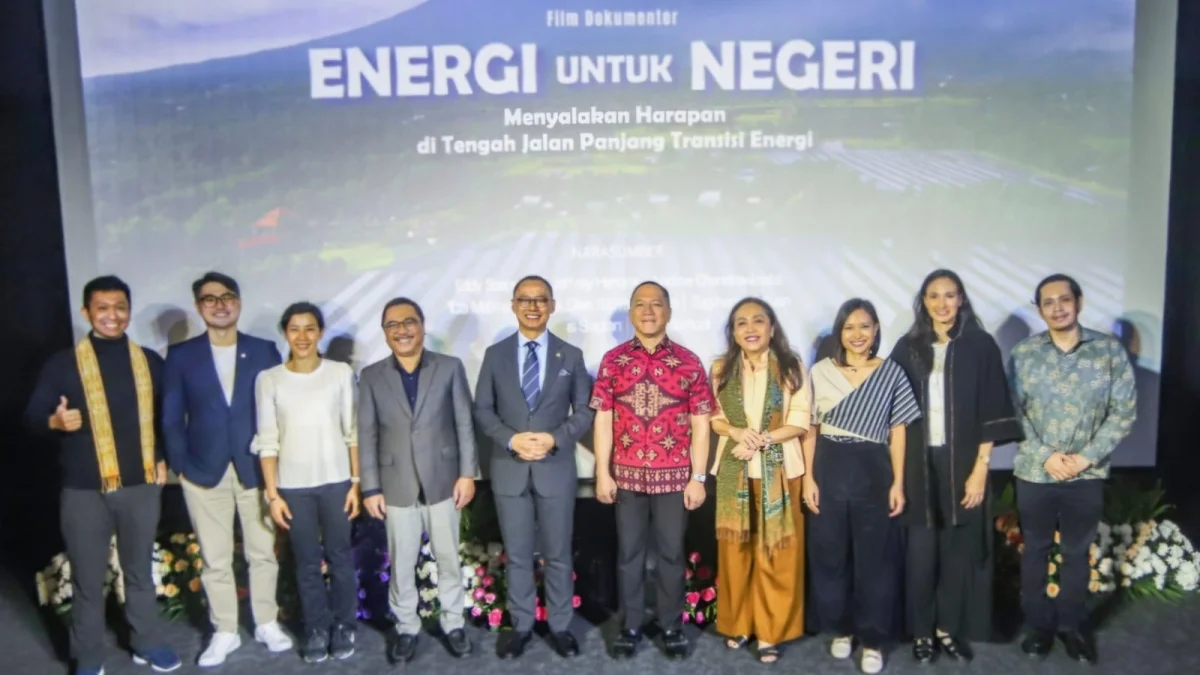
Director of the Indonesian Climate Policy Initiative, Tiza Mafira, conveyed this at the launch of the documentary film Energy for the Nation at Taman Ismail Marzuki, Jakarta, Tuesday, September 1 2026.
“Indonesia needs to prioritize domestic financing for the energy transition because the benefits return to Indonesia, ranging from economic growth, increasing investment competitiveness, strengthening energy security, expanding electricity access, to job creation,” Tiza said.
According to him, the momentum of domestic investment growth needs to be utilized when financing from abroad is increasingly difficult to predict.
“This momentum needs to be utilized so that more domestic capital can be directed towards the energy transition,” he said.
The launch of the documentary was organized by Climate Policy Initiative Indonesia together with Media Indonesia. The film discusses access to electricity, dependence on oil imports, the dominance of coal, development of domestic industry, employment and clean energy financing.
Deputy Chairman of the People's Consultative Assembly Eddy Soeparno said the energy transition must answer economic needs and national energy security.
“The energy transition must answer five main questions: can it strengthen national energy security, support the economic growth target of 8 percent, how much will it cost, is the domestic manufacturing industry ready, and how big will its impact be in reducing our carbon footprint,” said Eddy when opening the activity.
According to Eddy, Indonesia needs a green manufacturing industry, low-emission industry and green jobs. These changes must be accompanied by increasing workforce skills and strengthening the domestic component level.
“We need green manufacturing, green industry and green jobs, which also means the importance of reskilling and upskilling the workforce as well as strengthening the Domestic Component Level,” he said.
Environmental activist Nadine Chandrawinata said Indonesia has large renewable energy resources, including solar energy.
“It is not easy to change our mindset and accept new innovations, but we need to open ourselves up, find out and start taking steps,” said Nadine.
Media Indonesia President Director Arief Suditomo hopes that the documentary will expand public conversation about the energy transition.
“Through the films we create, which have cinematic nuances and are rich in data and perspectives, we hope that the issue of energy transition will become a public conversation and give birth to new ideas,” said Arief.
This news was prepared based on official information from the Indonesian Climate Policy Initiative.
Edit
Source:
Climate Policy Initiative Indonesia, September 1, 2026
Share Your Thoughts Editorial Moderation Required