
National Hotspots Down 63 Percent, Forest and Land Fire Smoke Still Covers Sumatra and Kalimantan
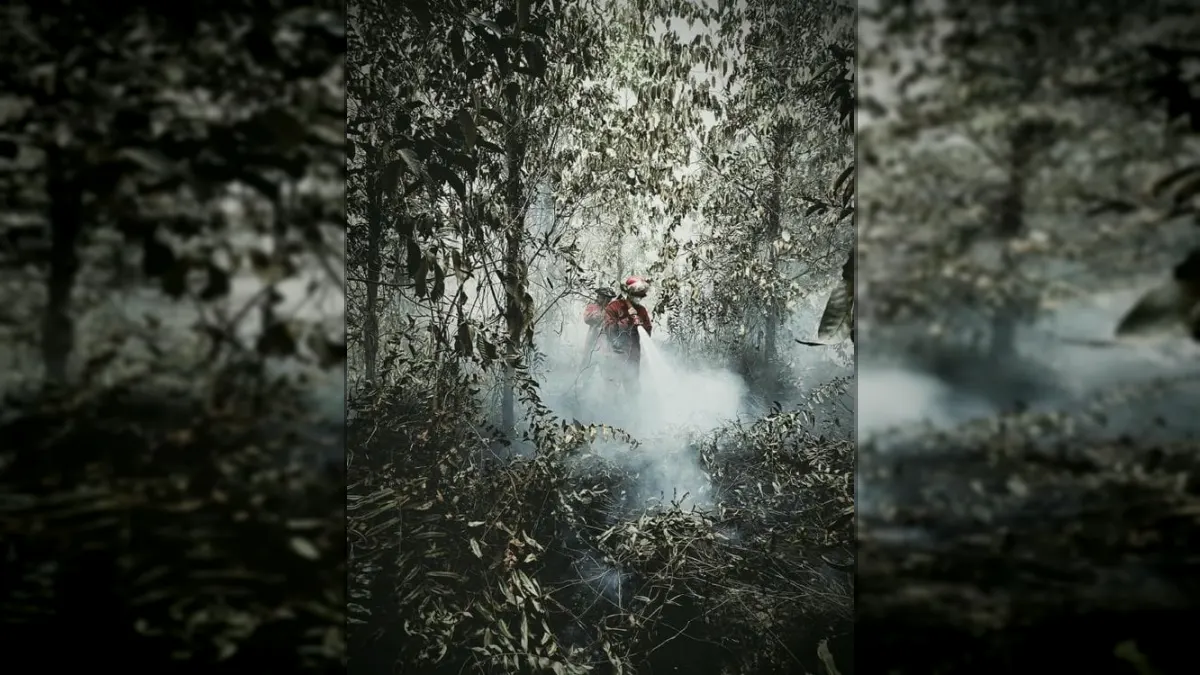
hotspot Down, Smoke Hasn't Disappeared
A decrease in the number of hot spots does not necessarily mean that air quality will recover. Monitoring of PM2.5 particulate concentrations shows that air conditions in Indonesia still vary, from good to dangerous categories.
A number of areas in Sumatra and Kalimantan were recorded as being in the unhealthy to very unhealthy category. In several locations, air quality was even observed to be in the dangerous category.
BMKG Aviation monitoring in the early hours of Thursday (24/9/2026) also showed smoke still limiting visibility in a number of areas. In Palangka Raya and Pontianak, visibility was only around 1.5 kilometers in smoky conditions.
Visibility in Banjarmasin was recorded at around 3 kilometers, while in Jambi and Palembang around 5 kilometers. Meanwhile, Pekanbaru has a visibility of around 6 kilometers with light rain.
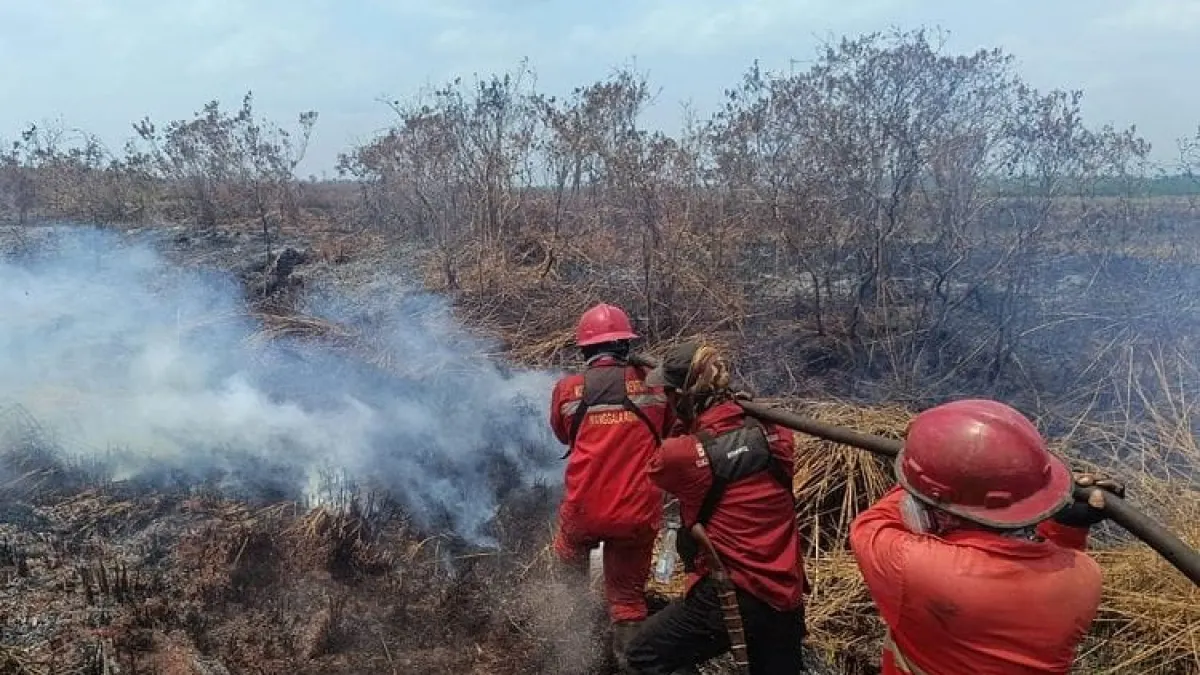
BMKG also noted lower visibility in a number of other locations in Kalimantan. The development of smoke and its impact on flight safety must still be monitored intensively.
This condition shows that a decrease in the number of Hotspots does not automatically mean that all fires have been extinguished. The smoke that has formed can persist and move according to wind direction and atmospheric dynamics. In peatlands, embers also have the potential to remain active below the surface.
The Ministry of Forestry urges people in affected areas to monitor air quality information and follow local government directions. When air quality worsens, people are advised to reduce outdoor activities and wear masks if they have to travel.
Artikel ini merupakan siaran pers resmi yang diterbitkan melalui Meja Redaksi GARIS BUMI. Materi telah melalui peninjauan editorial untuk kenyamanan dan kejelasan informasi bagi pembaca.
Share Your Thoughts Editorial Moderation Required