
National Hotspots Decreased to 666 Points, South Sumatra (Sumsel) Actually Increased
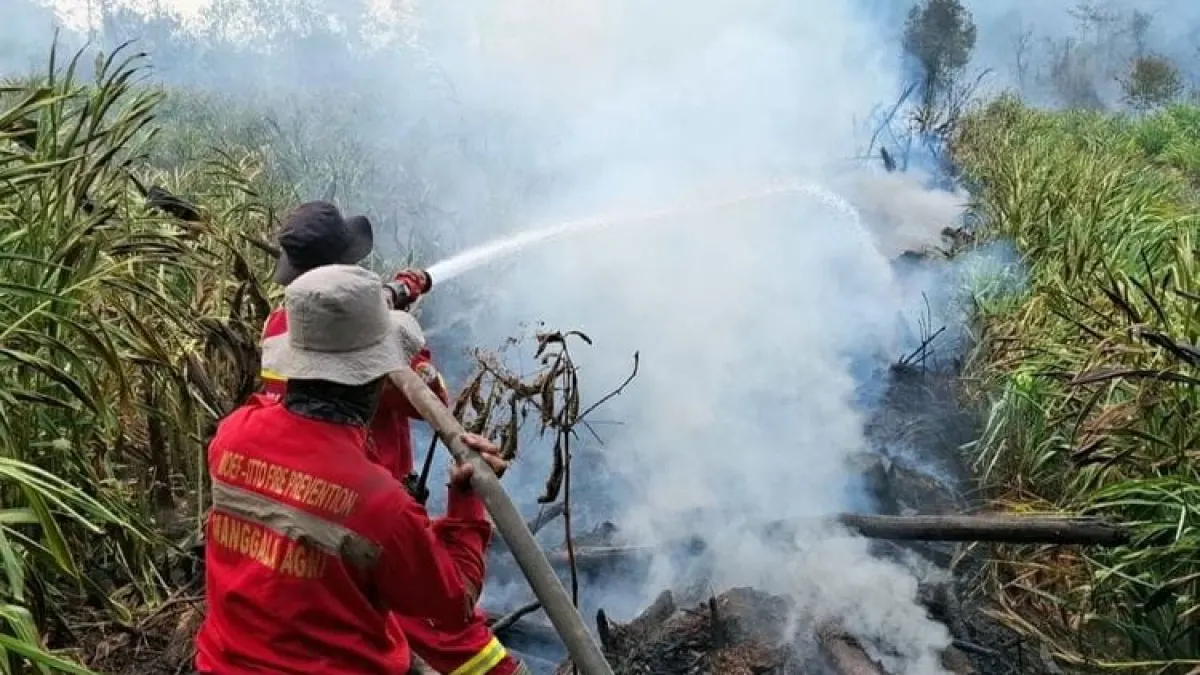
Air conditions can change following the development of fires, particulate concentrations, wind direction and speed, and atmospheric dynamics.
People in affected areas are asked to follow air quality information and local government directions. When air quality worsens, people are advised to reduce outdoor activities and use masks if they have to do activities outside.
Special attention needs to be given to children, pregnant women, the elderly, and people with respiratory problems or chronic diseases.
Apart from having an impact on the air, forest and land fires can disrupt the habitat, food sources and movement routes of wild animals. The Natural Resources Conservation Agency (BKSDA) and related units carry out monitoring and handling according to the results of field assessments.
Treatment can include evacuation, medical examination, treatment, rehabilitation, translocation, and even release if animal and habitat conditions allow.
People who find animals injured, trapped in fires, or entering residential areas are asked not to evacuate themselves. People need to keep their distance, record the location and condition of the animals if possible, then report to the BKSDA or nearest forestry officer.
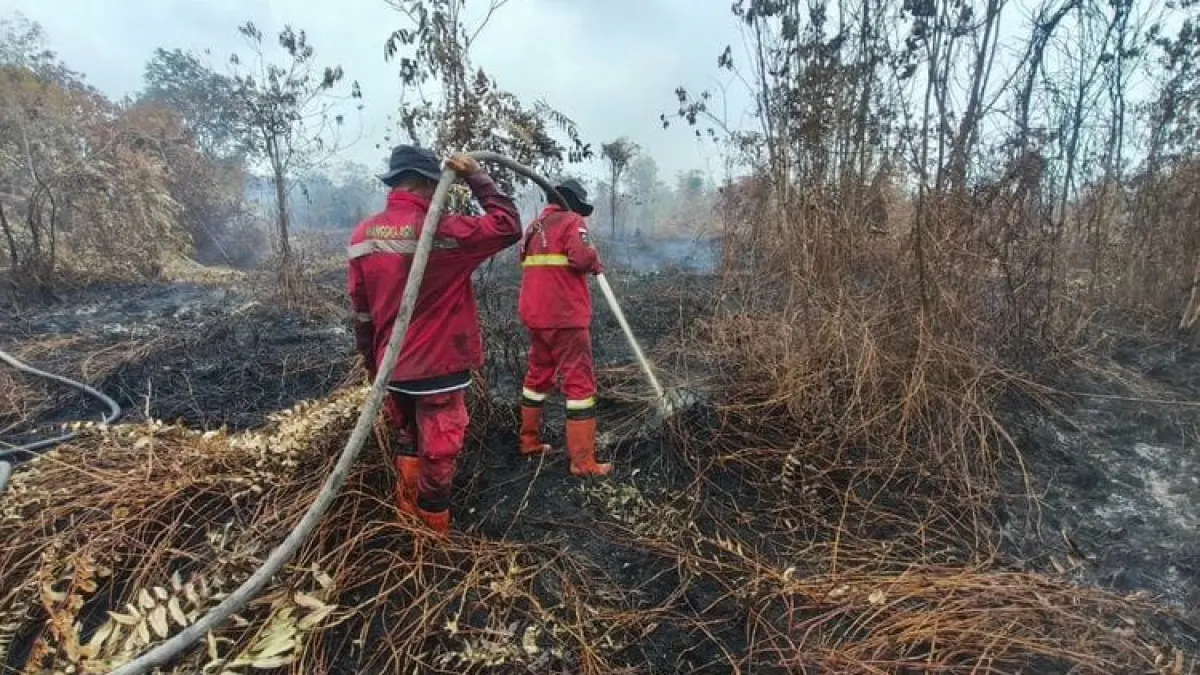
The Ministry of Forestry has again appealed to the public and business actors not to clear or clear land by burning. The decline in national Hotspots is not yet a reason to reduce vigilance because forest and land fire conditions can change quickly.
Artikel ini merupakan siaran pers resmi yang diterbitkan melalui Meja Redaksi GARIS BUMI. Materi telah melalui peninjauan editorial untuk kenyamanan dan kejelasan informasi bagi pembaca.
Share Your Thoughts Editorial Moderation Required