Mbah Warso, Protecting Mangroves to Keep the Anchor Coast Breathing
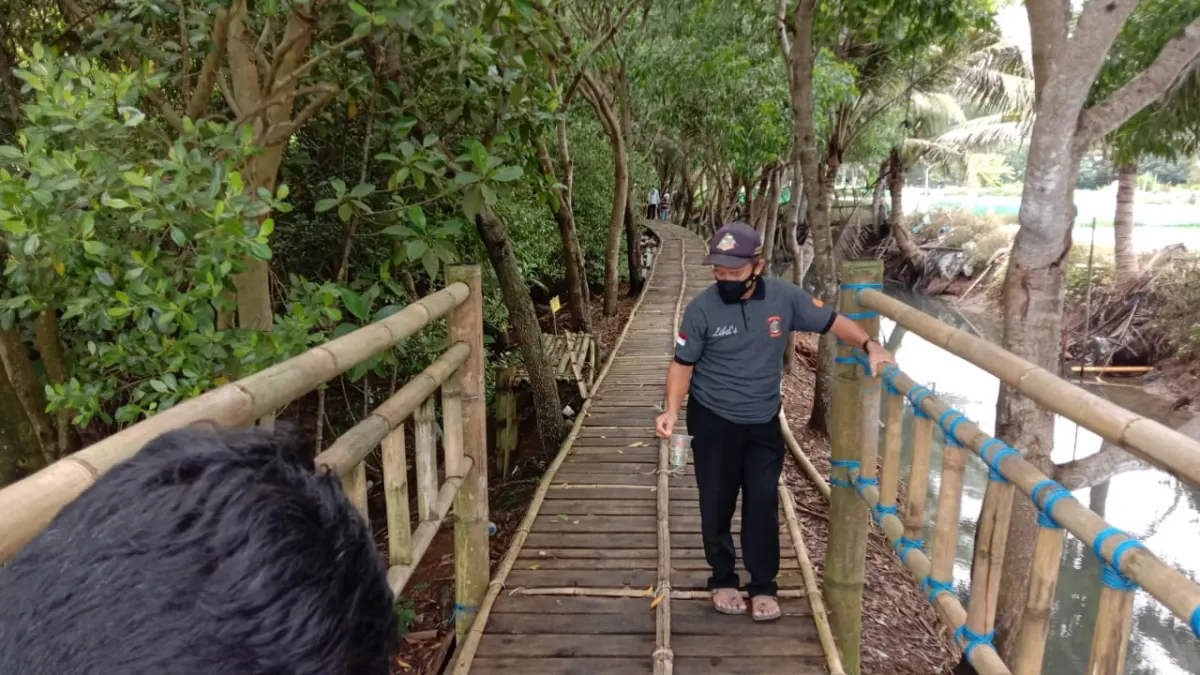
This processing means that mangroves are not only seen as rows of trees on the edge of the water. Mangroves can be a source of knowledge, livelihood and added value for the community, as long as they are used wisely.
This kind of approach is important so that residents have stronger reasons to protect the area. When a healthy ecosystem provides direct benefits, conservation is no longer considered a burden, but rather a shared investment.
However, economic benefits do not mean that forests can be exploited without limits. Sustainability remains key. Raw materials must be taken taking into account the plant's ability to grow and develop again.
Mangrove Forest Becomes Learning Space
The area managed by Wana Tirta is now not only a place for mangroves to grow and animals to thrive. The area has also been turned into an open study space.
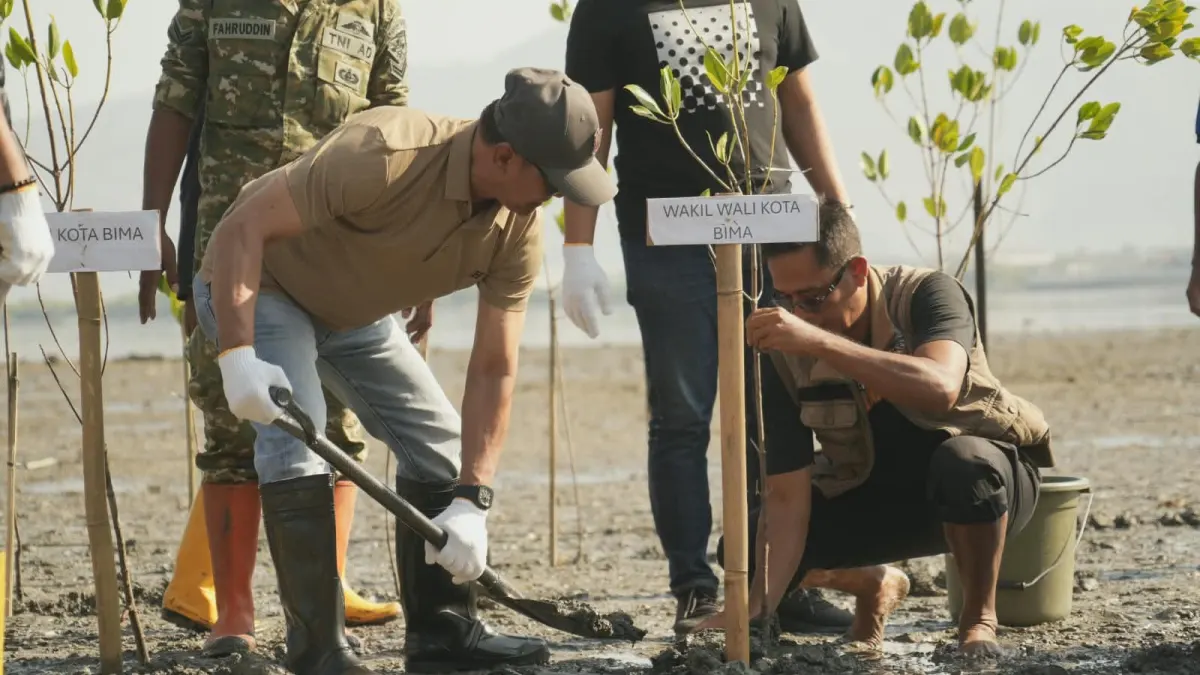
The Wana Tirta Group collaborates with schools, universities, the Ministry of Maritime Affairs and Fisheries, the Natural Resources Conservation Center, and a number of other institutions.
Students and students come to take part in internships, research and mangrove management surveys. They also learned about turtle conservation and how to care for hatchlings.
In that place, lessons about the environment are not only received through books. Visitors can see firsthand how mangrove roots hold mud, how birds build nests, and how crabs and small fish live under the dense trees.
Artikel ini merupakan siaran pers resmi yang diterbitkan melalui Meja Redaksi GARIS BUMI. Materi telah melalui peninjauan editorial untuk kenyamanan dan kejelasan informasi bagi pembaca.
Share Your Thoughts Editorial Moderation Required