Mbah Warso, Protecting Mangroves to Keep the Anchor Coast Breathing
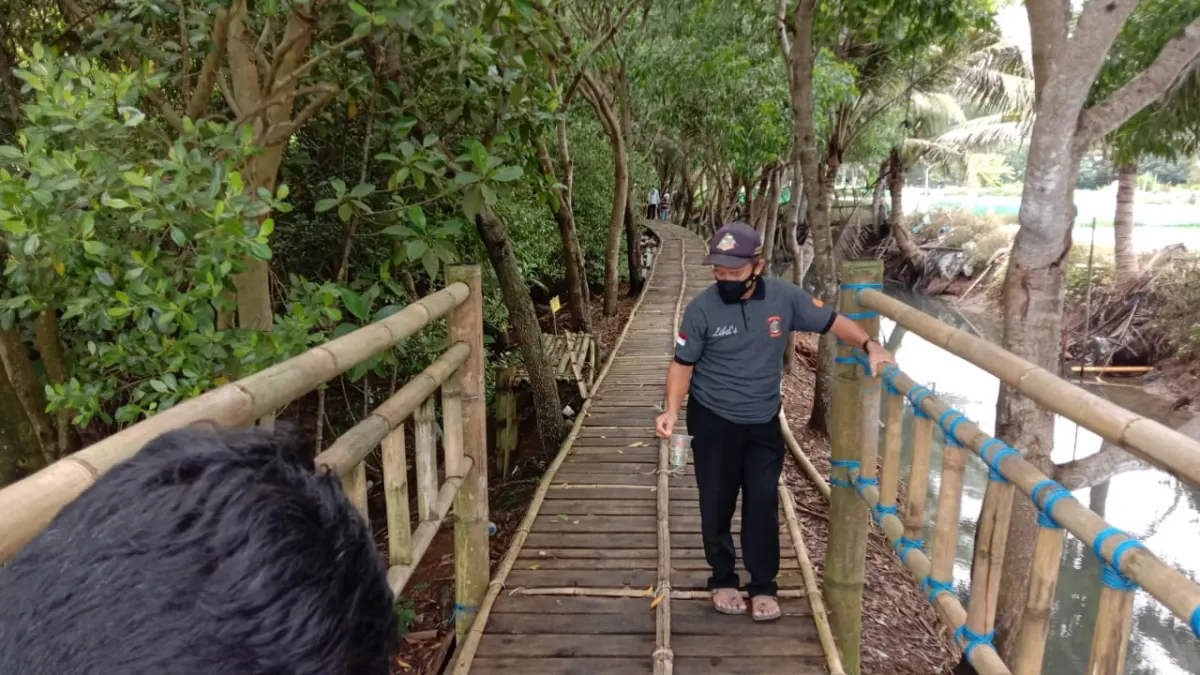
Caring for Life on 20 Hectares of Land
Mbah Warso does not work alone. He moved with the Wana Tirta Group which had around 20 members.
The group manages a mangrove area of approximately 20 hectares. Various types of coastal plants live in it, including Rhizophora, Avicennia, Sonneratia, Acrostichum, Acanthus, and nipah.
Each plant has a role in forming coastal ecosystems. The mangrove root network helps retain mud and sediment, absorbs wave energy, and reduces the risk of abrasion. The dense trees also provide living space and food sources for various animals.
In the upper part of the forest, egrets use mangrove branches as a place to nest and breed. Fish-eating birds and other small animals also arrive.
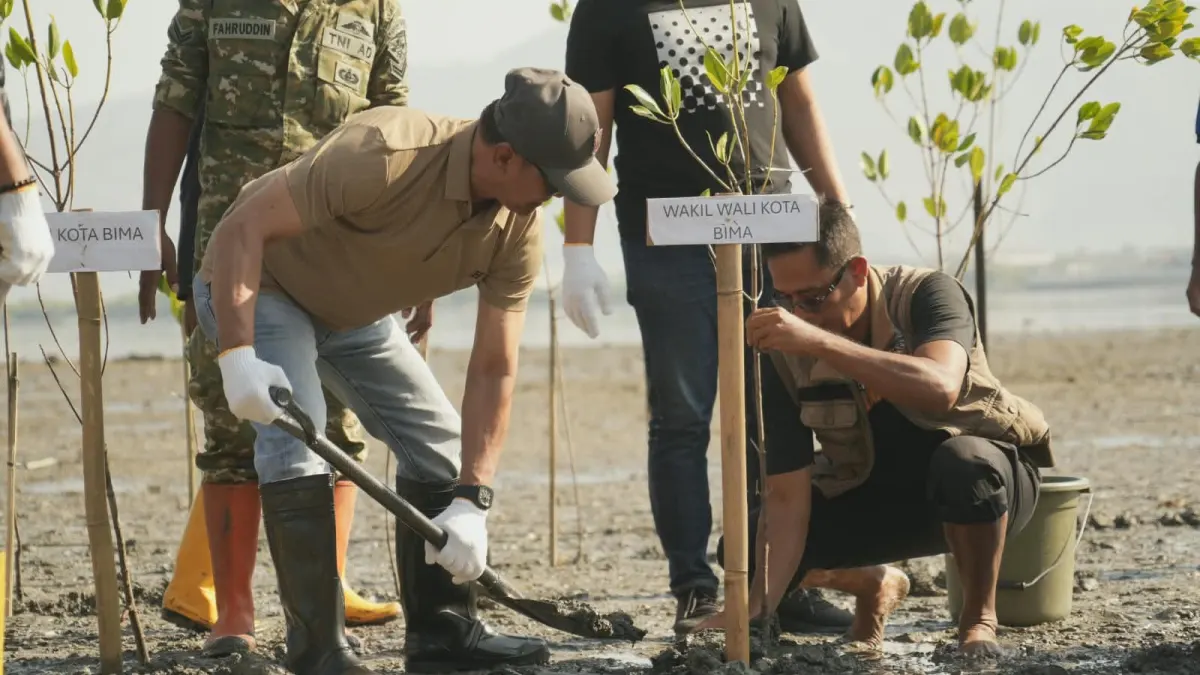
Meanwhile, the lower part of the forest is never completely quiet. Mud crabs, small fish and various aquatic life move among the roots. Their presence forms an interdependent chain of life.
Birds need fish and small animals as food. Fish need mangrove roots as a place to shelter and grow. Meanwhile, humans need coastal areas that remain healthy to protect living space and support livelihoods.
Therefore, when Mbah Warso and Wana Tirta members look after a mangrove, what they are looking after is not just the plants. They also guard the homes of various living creatures.
Artikel ini merupakan siaran pers resmi yang diterbitkan melalui Meja Redaksi GARIS BUMI. Materi telah melalui peninjauan editorial untuk kenyamanan dan kejelasan informasi bagi pembaca.
Share Your Thoughts Editorial Moderation Required