Mangroves Pressured by Tin Mines, Babel Develops Protection Plan until 2055
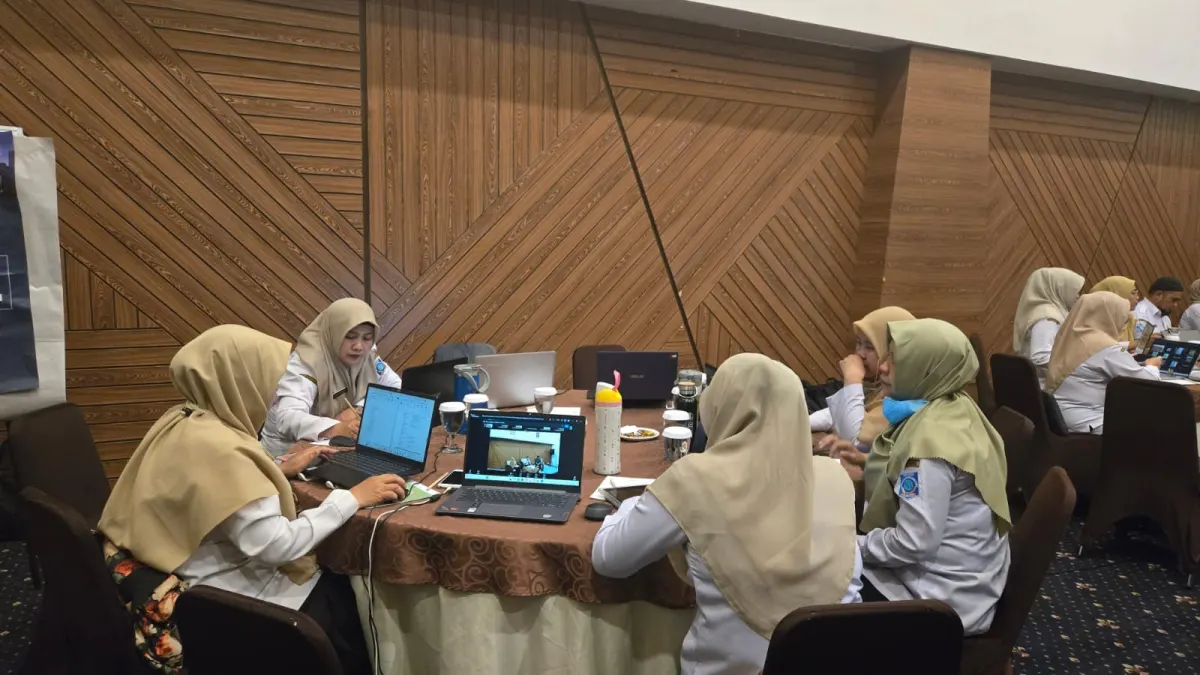
PANGKALPINANG, LINE EARTH, GARISBUMI.com – The mangrove ecosystem in the Bangka Belitung Islands is facing pressure from tin mining, land conversion, coastal development, and pollution. To answer this problem, the provincial government is perfecting the Mangrove Ecosystem Protection and Management Plan (RPPEM) for 2026–2055.
It is hoped that this document will serve as a guideline for the protection, restoration and sustainable use of mangroves, as well as strengthening the resilience of coasts and small islands to climate change.
Head of the Environment and Forestry Service (DLHK) of the Bangka Belitung Islands Province, Amransyah Muslimin, conveyed this when opening the meeting for the preparation of the final draft RPPEM at the Santika Pangkalpinang Hotel, Wednesday (7/10/2026).
According to Amransyah, mangroves have a strategic role for Bangka Belitung as an archipelagic region. Apart from protecting beaches, this ecosystem maintains water quality, provides biota habitat, supports fisheries productivity, and stores blue carbon.
"Mangrove management cannot be done sectorally. We need integration between central and regional governments, regional apparatus, district/city governments, communities, the business world, academics and development partners," said Amransyah.
Mangrove Pressure from Mining to Climate Change
Based on the initial draft or Draft 0 of RPPEM, pressure on mangroves in Bangka Belitung comes from various activities. These include tin mining, coastal infrastructure development, settlements, land conversion, spatial use conflicts and pollution.
These ecosystems also face the impacts of climate change, including sea level rise and extreme weather events.
The initial draft covering Chapters I to Chapter III has been prepared through data inventory, spatial analysis, scientific studies and policy studies. Its preparation also gathered input from various parties through coordination and focus group discussions.
However, Amransyah emphasized that the document still requires updating data, deepening analysis, and aligning policies and strategies.
"Draft 0 is not yet the final document. Improvements are still needed so that the Provincial RPPEM truly becomes a strong and accountable planning document," he explained.
Mangrove Protection is Connected to Spatial Planning
The Bangka Belitung Islands Provincial Government hopes for direction from the Ministry of the Environment/Environmental Control Agency in aligning regional documents with the 2026–2055 National RPPEM.
This alignment still needs to take into account the ecosystem conditions and character of the archipelago.
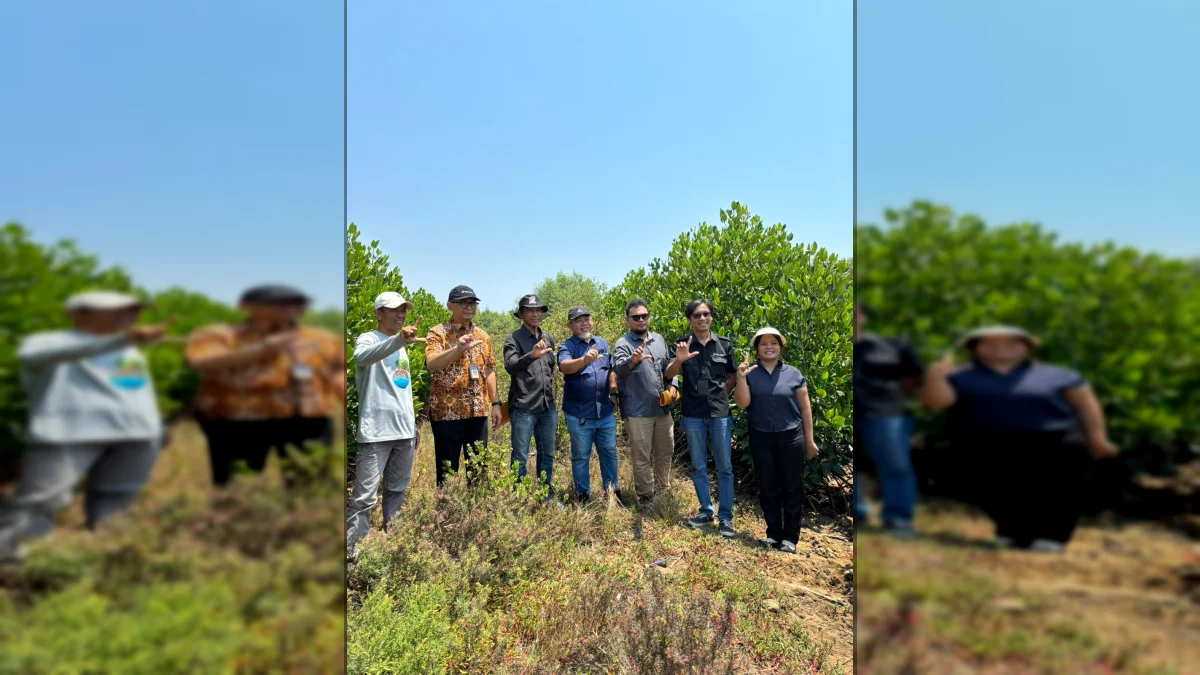
"The Provincial RPPEM is an elaboration of the National RPPEM by considering the characteristics of the island region, the condition of the mangrove ecosystem, as well as various management challenges," said Amransyah.
This document is expected to help the government, business world, academics and society align mangrove management with spatial planning, coastal development, controlling climate change and a sustainable economy.
Refining the RPPEM also uses the Mangrove Landscape Unity (KLM) approach. In the Bangka Belitung Islands there are two KLMs, namely the Bangka Coastal KLM and the Bangka Belitung Islands KLM.
Through this approach, land, river basins, coasts and seas are seen as one ecological unit. Inter-regional connections are the basis for designing integrated mangrove protection and restoration.
Expected to Answer Problems in the Field
Amransyah hopes that the discussion of the final draft will result in an understanding and clear follow-up steps. The RPPEM document is also expected to be able to answer real problems in the protection, restoration and utilization of mangroves.
"I hope that this meeting can be a space to equalize perceptions, strengthen coordination, and agree on follow-up steps for preparing the final draft RPPEM," he said.
The preparation of this document received direction and assistance from the PPEPD Directorate of the Ministry of Environment and Forestry (KLH)/Environmental Management Agency (BPLH) as well as support from the Nusantara Nature Conservation Foundation (YKAN). Regional officials, district/city governments, academics and regional mangrove working groups also provided data and input.
Amransyah hopes that the RPPEM will become the basis for implementing mangrove management that strengthens coastal protection, increases climate resilience and supports community welfare.
Artikel ini merupakan siaran pers resmi yang diterbitkan melalui Meja Redaksi GARIS BUMI. Materi telah melalui peninjauan editorial untuk kenyamanan dan kejelasan informasi bagi pembaca.
Share Your Thoughts Editorial Moderation Required