
KLH Prepares National Standards for Electronic Waste, Regulates them from Sorting to Processing
Electronic waste is mostly handled by the informal sector
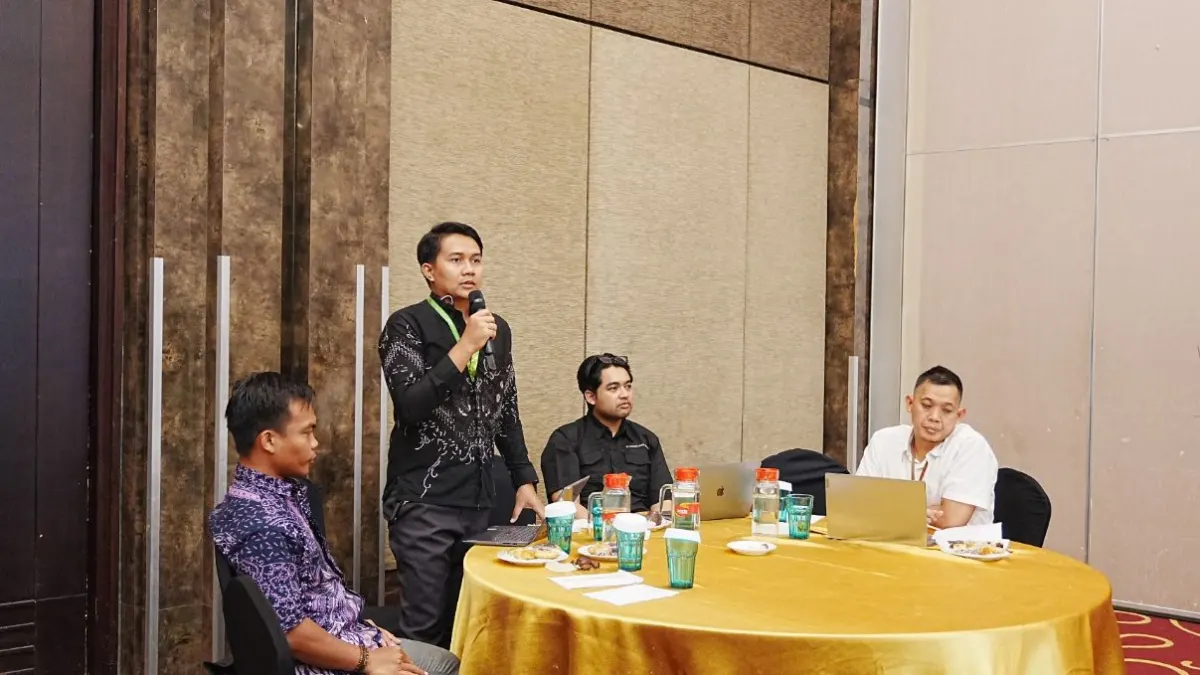
One of the challenges in managing electronic waste in Indonesia is the large role of the informal sector, such as collectors and sellers.
Used electronic devices generally still have components of economic value. Metal, wires, circuit boards and some other parts are dismantled for resale.
However, manual dismantling without adequate safety procedures can endanger workers and pollute the environment. The risk increases if the process involves open burning or the use of hazardous chemicals to separate certain materials.
Apart from coming from households, electronic waste is also generated by offices and government institutions. Used electronic goods that are registered as State Property (BMN) must go through an asset transfer or write-off mechanism.
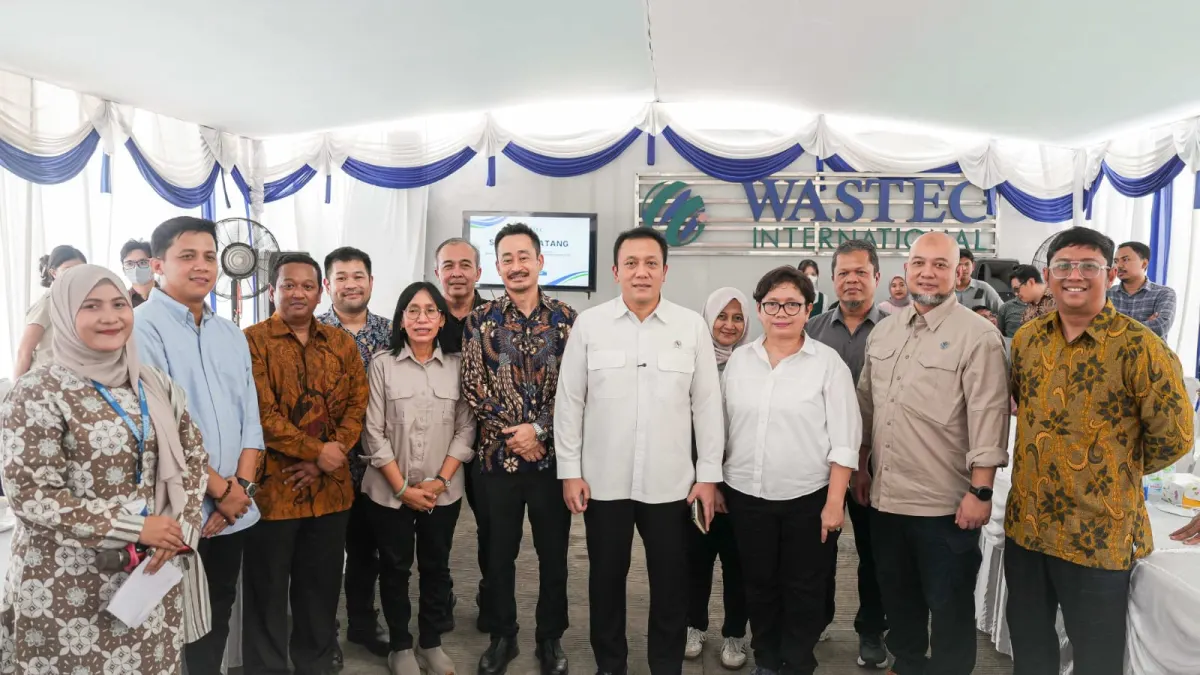
According to KLH/Environmental Management Agency (BPLH), this process needs to be integrated with environmental protection provisions so that electronic goods that are no longer used do not end up in unsafe processing routes.
For this reason, KLH/Environmental Management Agency (BPLH) will strengthen coordination with the Directorate of Auctions and the Directorate of State Wealth Policy Formulation of the Ministry of Finance.
This coordination is needed so that environmental aspects become part of the process of transferring and deleting government-owned electronic goods.
Artikel ini merupakan siaran pers resmi yang diterbitkan melalui Meja Redaksi GARIS BUMI. Materi telah melalui peninjauan editorial untuk kenyamanan dan kejelasan informasi bagi pembaca.
Share Your Thoughts Editorial Moderation Required