KLH Prepares National Standards for Electronic Waste, Regulates them from Sorting to Processing
JAKARTA, GARISBUMI.com – The Ministry of the Environment/Environmental Control Agency (KLH/Environmental Management Agency (BPLH)) has begun compiling national standards for managing electronic waste (e-waste). This standard will regulate the handling of electronic waste from the sorting, transportation, to further processing stages.
The preparation of standards was carried out to respond to the increasing use of electronic devices in society. Cell phones, computers, televisions, household appliances and various battery-operated devices have the potential to become sources of pollution if they are thrown away or disassembled without safe procedures.
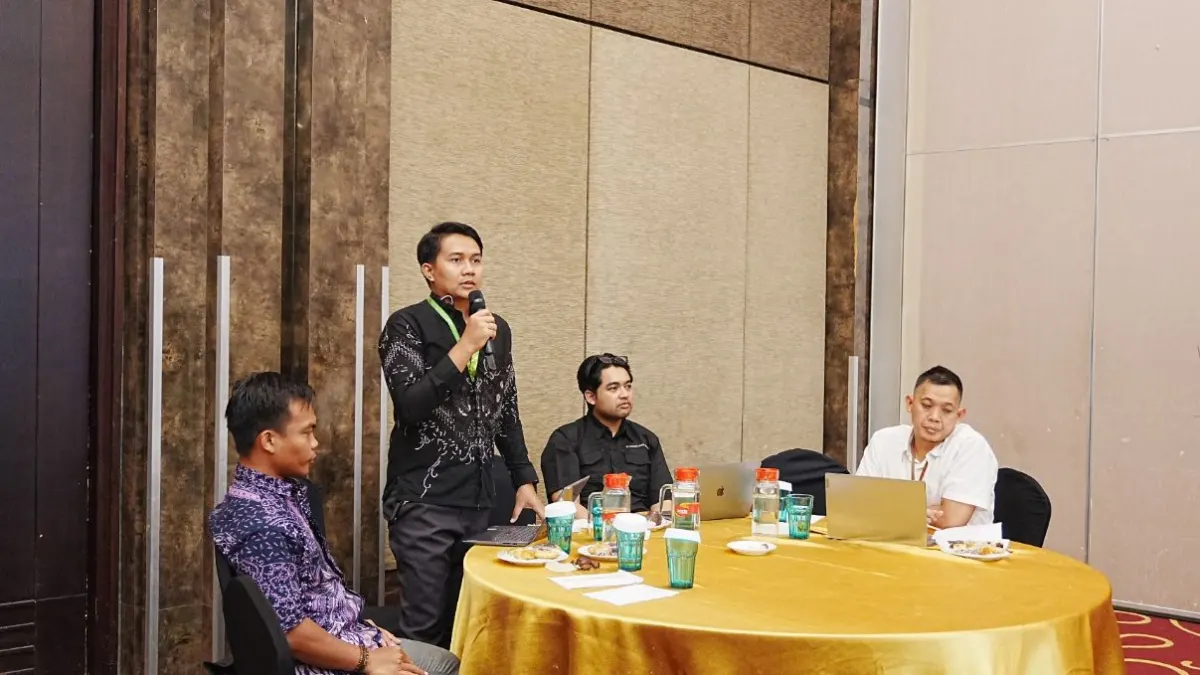
This initiative was discussed through the "Standardization of Electronic Waste Management" forum in Bekasi, West Java, Tuesday (8/9/2026). The forum involves ministries and institutions, local governments, electronics manufacturers, waste processing industries, and civil society organizations.
Head of the Center for Environmental Instrument Standardization (PSILH) KLH/Environmental Management Agency (BPLH) Upik Siti Asliah said that electronic waste management requires a comprehensive system from upstream to downstream.
"E-waste management must be carried out comprehensively from upstream to downstream. However, in its implementation there are still many gaps that require policy certainty. Therefore, PSILH is currently preparing e-waste management standards to serve as a reference," said Upik in a statement received on Sunday (27/9/2026).
According to Upik, these standards will include procedures for sorting, categorizing, transporting and further processing. The initial focus is directed at electronic waste originating from households and offices.
The scope includes all devices that use electricity or batteries and are damaged or no longer used, both small and large devices.
Electronic waste is mostly handled by the informal sector
One of the challenges in managing electronic waste in Indonesia is the large role of the informal sector, such as collectors and sellers.
Used electronic devices generally still have components of economic value. Metal, wires, circuit boards and some other parts are dismantled for resale.
However, manual dismantling without adequate safety procedures can endanger workers and pollute the environment. The risk increases if the process involves open burning or the use of hazardous chemicals to separate certain materials.
Apart from coming from households, electronic waste is also generated by offices and government institutions. Used electronic goods that are registered as State Property (BMN) must go through an asset transfer or write-off mechanism.
According to KLH/Environmental Management Agency (BPLH), this process needs to be integrated with environmental protection provisions so that electronic goods that are no longer used do not end up in unsafe processing routes.
For this reason, KLH/Environmental Management Agency (BPLH) will strengthen coordination with the Directorate of Auctions and the Directorate of State Wealth Policy Formulation of the Ministry of Finance.
This coordination is needed so that environmental aspects become part of the process of transferring and deleting government-owned electronic goods.
Informal Sector Will Be Integrated
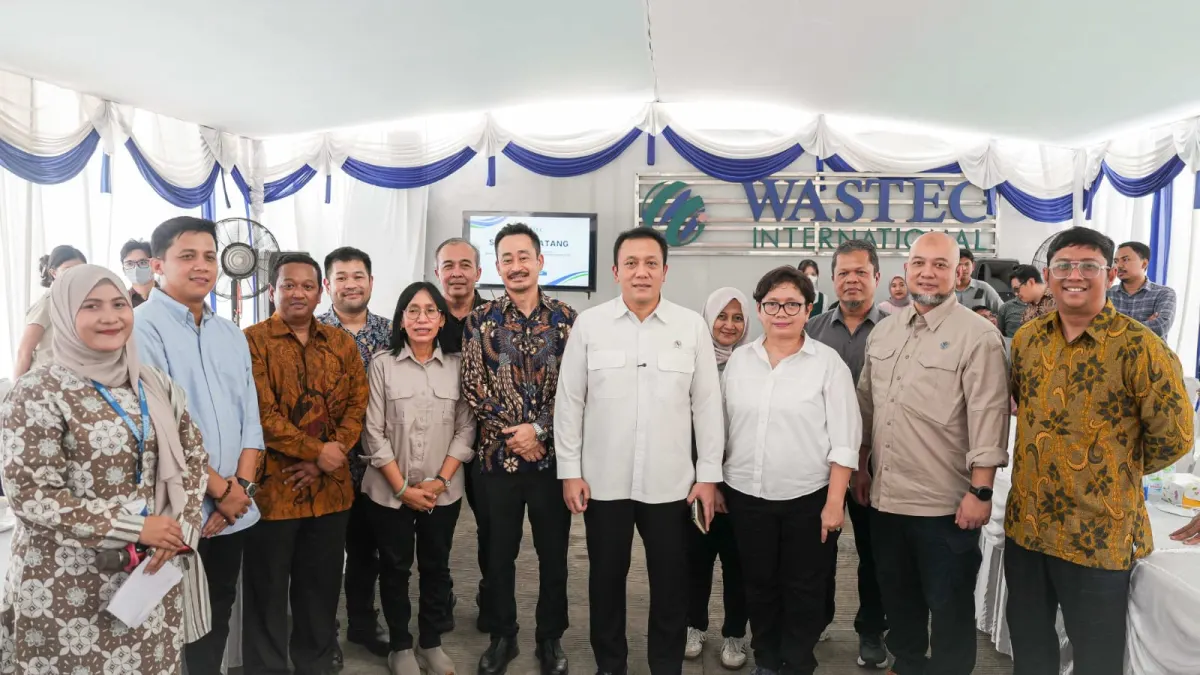
The government is also reviewing mechanisms to integrate informal actors into a safer and more controlled electronic waste management chain.
This step is considered important because collectors and dealers have become part of the flow of collecting used electronic devices in society. However, their involvement needs to be complemented by safety procedures, worker protection, and a mechanism for handing over waste to licensed processing facilities.
As an example of formal management, the DKI Jakarta Environmental Service has provided electronic waste collection boxes or drop boxes at a number of public facilities. The local government has also opened a service for picking up electronic waste from the public.
It is hoped that this practice can become a reference that is developed and adapted by other regional governments.
Upik said that input from all stakeholders is needed so that the standards prepared are not only good administratively, but can also be implemented in the field.
"Through this forum, input obtained from all stakeholders, including good practices that have been implemented, can improve the standards prepared," he said.
He hopes that these national standards can become guidelines for the government, producers, business actors, public service providers, waste managers and the community.
"We hope that this e-waste management standard can become an implementable and effective guideline to be implemented comprehensively by all stakeholders," said Upik.
Artikel ini merupakan siaran pers resmi yang diterbitkan melalui Meja Redaksi GARIS BUMI. Materi telah melalui peninjauan editorial untuk kenyamanan dan kejelasan informasi bagi pembaca.
Share Your Thoughts Editorial Moderation Required