
KLH Prepares National Standards for Electronic Waste, Regulates them from Sorting to Processing
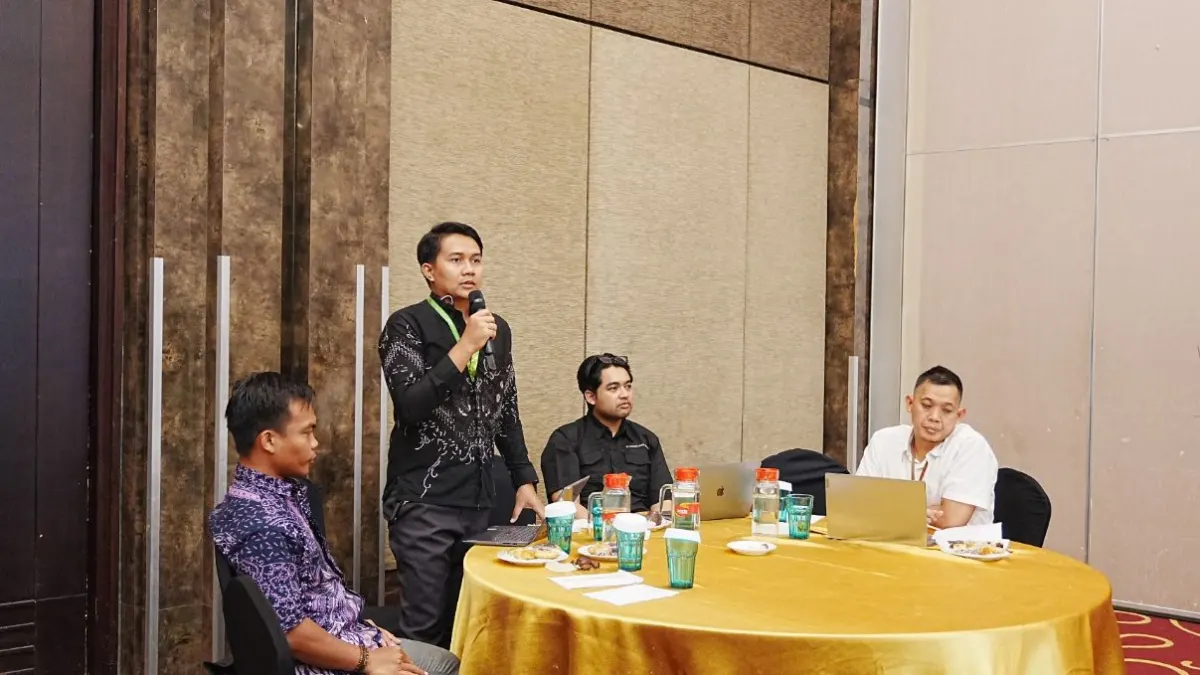
Informal Sector Will Be Integrated
The government is also reviewing mechanisms to integrate informal actors into a safer and more controlled electronic waste management chain.
This step is considered important because collectors and dealers have become part of the flow of collecting used electronic devices in society. However, their involvement needs to be complemented by safety procedures, worker protection, and a mechanism for handing over waste to licensed processing facilities.
As an example of formal management, the DKI Jakarta Environmental Service has provided electronic waste collection boxes or drop boxes at a number of public facilities. The local government has also opened a service for picking up electronic waste from the public.
It is hoped that this practice can become a reference that is developed and adapted by other regional governments.
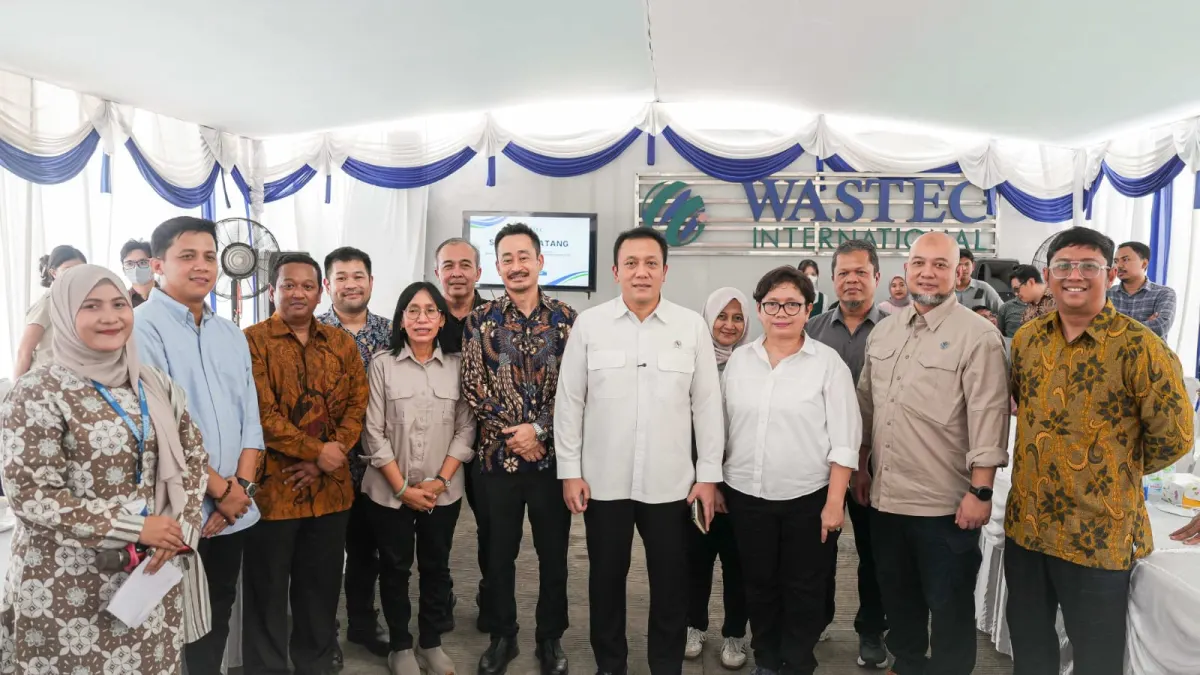
Upik said that input from all stakeholders is needed so that the standards prepared are not only good administratively, but can also be implemented in the field.
"Through this forum, input obtained from all stakeholders, including good practices that have been implemented, can improve the standards prepared," he said.
He hopes that these national standards can become guidelines for the government, producers, business actors, public service providers, waste managers and the community.
Artikel ini merupakan siaran pers resmi yang diterbitkan melalui Meja Redaksi GARIS BUMI. Materi telah melalui peninjauan editorial untuk kenyamanan dan kejelasan informasi bagi pembaca.
Share Your Thoughts Editorial Moderation Required