Jakarta, Greater Bandung and Bali Prepared to Become Carbon Pilots in the Waste Sector
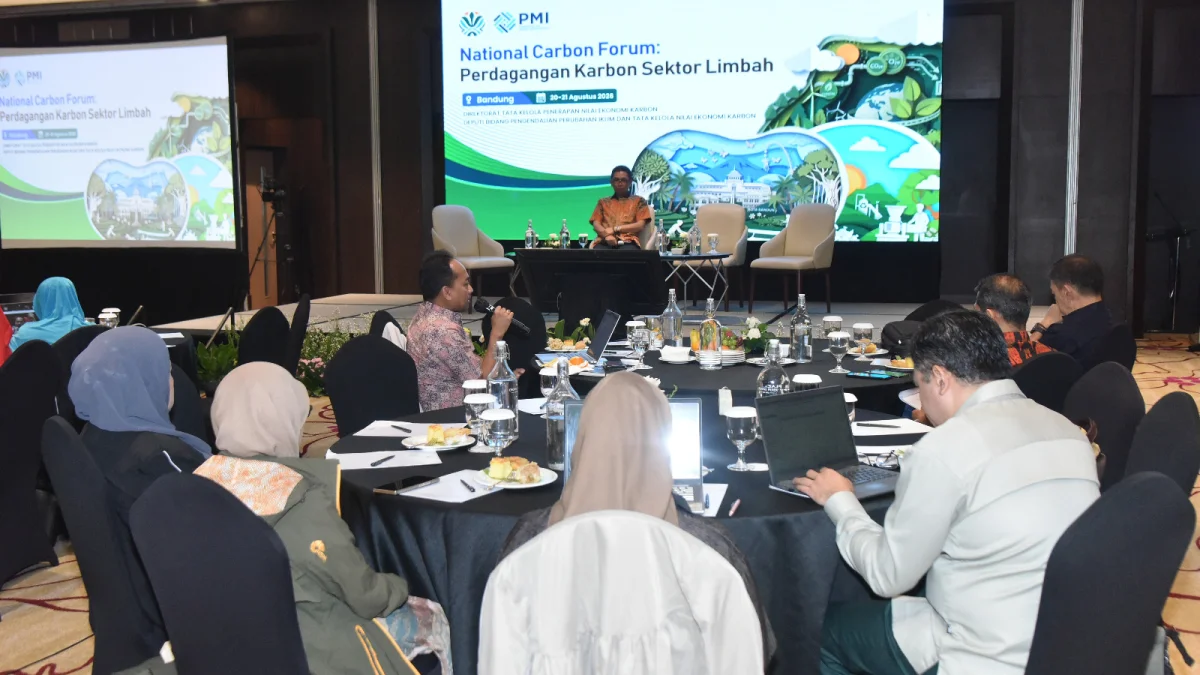
BANDUNG, GARISBUMI.com – The Ministry of the Environment/Environmental Control Agency has prepared Greater Bandung, Jakarta and Bali as pilot areas for implementing carbon trading in the waste sector at the regional level.
This readiness mapping was discussed at the National Carbon Forum: Waste Sector carbon trading which took place in Bandung, West Java, on 20-21 August 2026. The results of the discussion were published by KLH/Environmental Management Agency (BPLH) on 29 August 2026.
This program was developed because the waste sector has the opportunity to reduce greenhouse gas emissions and at the same time requires new sources of financing to improve waste management.
Organic waste that decomposes at the final processing site can produce methane gas. Reducing waste disposed of in landfills, organic processing, capturing methane gas and improving waste systems can reduce emissions if the results can be calculated and verified.
Acting Director of Management for the Implementation of the Economic Value of Carbon at KLH/Environmental Management Agency (BPLH) Haryo Pambudi said that regional readiness mapping was a follow-up to Regulation of the Minister of the Environment/Head of Environmental Management Agency (BPLH) Number 11 of 2026 concerning carbon trading Procedures.
These regulations regulate various aspects of carbon trading, including management issues at landfills, business cooperation schemes, ownership and rights to sell carbon units.
However, waste reduction activities do not automatically produce carbon credits.
Regions must have a measurement, reporting and verification or MRV system. Emission reductions must also go through a registration, certification and carbon unit formation process before they can enter the trading scheme.
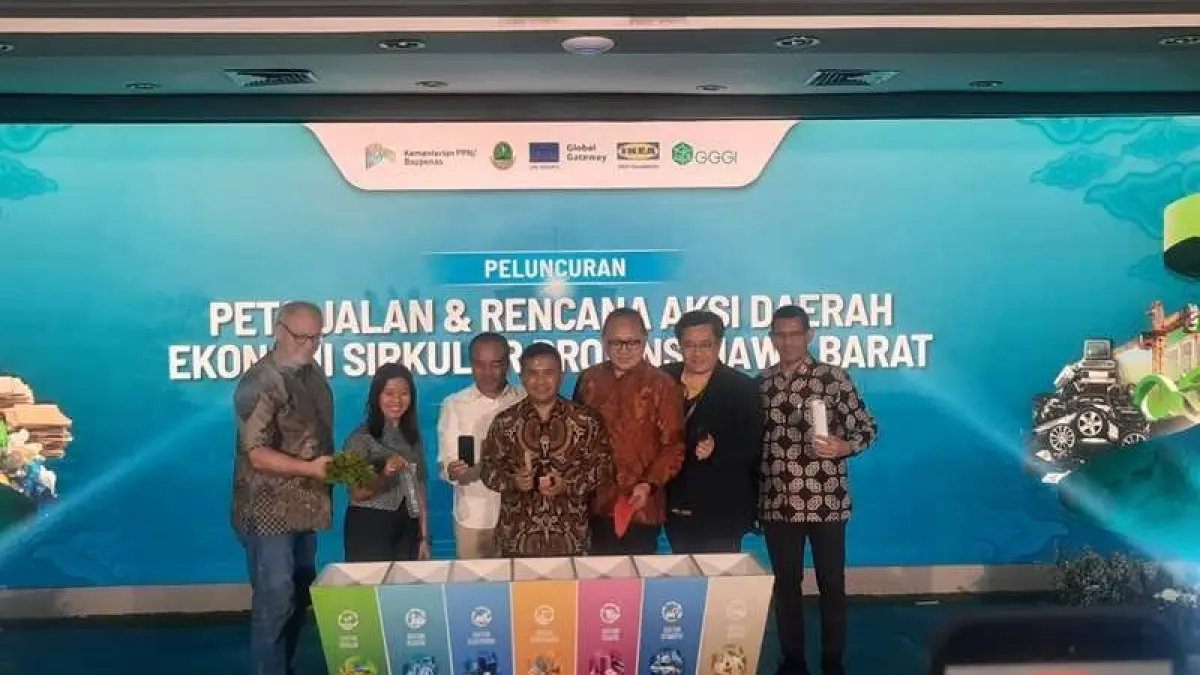
KLH/Environmental Management Agency (BPLH) considers financing to be an important issue, especially for areas with large populations and high waste production.
The West Java Provincial Government, for example, is targeting a reduction in greenhouse gas emissions intensity of 8.95 percent by 2029 through the 2025-2029 RPJMD. It is hoped that the economic value of carbon can be a source of funding to improve the waste system.
Initial mapping results show that readiness at the planning stage is starting to take shape, but the capacity for registration, certification, carbon unit transactions, human resource capacity and the MRV system still need to be strengthened.
Input from Greater Bandung, Jakarta and Bali will then be used as part of preparing a road map for implementing carbon trading in the waste sector nationally.
EDITORIAL SOURCE: KLH/Environmental Management Agency (BPLH), 29 August 2026.
Share Your Thoughts Editorial Moderation Required